When did you last walk out of your house in Lagos and not find trash on the road? If you live in Mushin, Egbeda, Ojuelegba, or any other part of the city, the answer is probably never. Lagos has a waste problem, and it is getting worse.
In recent days, photos and videos of overflowing refuse dumps across the city have circulated widely on social media. Streets that should be clean are buried under weeks of uncollected waste. Residents are frustrated, and rightly so. But before we point all the fingers at the government — and there are plenty of fingers to point — we need to talk about what Lagosians themselves can do differently.
Snap shot from Lagos today.
1: costain
2&3: Mushin
4: Anthony
Eko oni baje o https://t.co/tkgL9LDmHO pic.twitter.com/44BWPP5aqu
— Oluwanifise (@Oluwanifise13) June 13, 2026
Snapshots from Lagos today.
Eko o ni baje o https://t.co/TDEMHT7i0i pic.twitter.com/b1xfnneGKP
— Oluwanifise (@Oluwanifise13) June 12, 2026
EDITOR’S PICKS
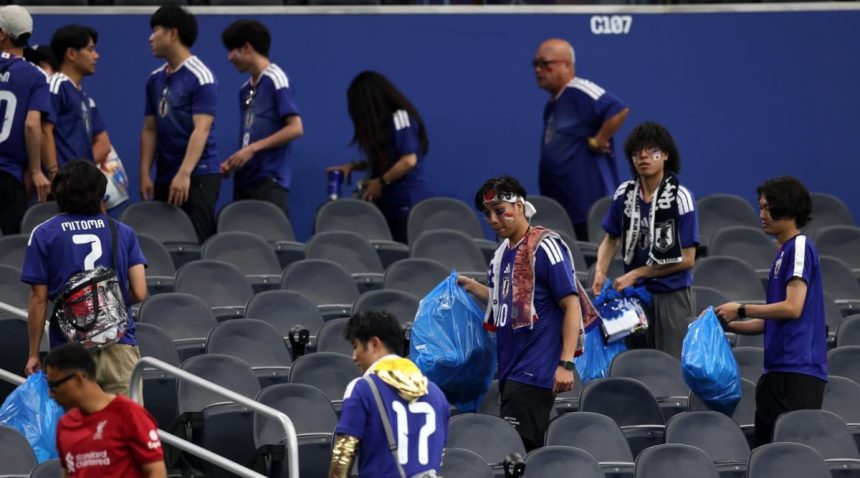
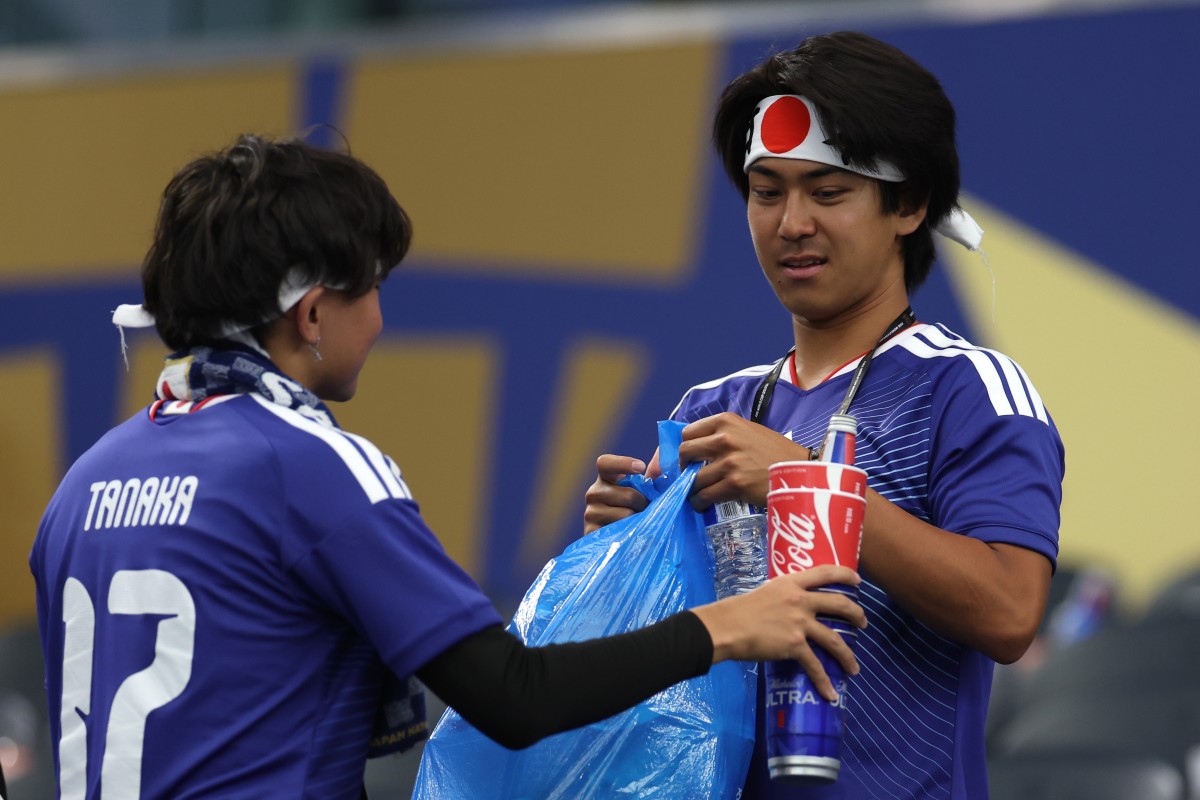
Because the contrast could not be more glaring. At the ongoing FIFA World Cup in the United States (US), Japanese fans have once again become the talk of the tournament; not for their football alone, but for cleaning up after themselves in the stadium. After their opener against the Netherlands on Sunday, supporters of the Samurai Blue were filmed picking up trash from their seats and rows before leaving. They brought their own bags. They left the place cleaner than they found it.
The reason Japan fans clean the stadium after each game. Respect. 🤝🇯🇵 pic.twitter.com/o9qJUOLefY
— FIFA (@FIFAcom) June 15, 2026
This is not new behaviour. Japanese fans did the same at the 2018 World Cup in Russia, in Brazil in 2014, and in Qatar in 2022. It is not a PR stunt. It is not organised by the Japanese Football Association. It is simply what they do, because it is who they are.
Why do Japan fans clean up after themselves at games? 🤔🇯🇵 pic.twitter.com/kp9GnZyd7g
— B/R Football (@brfootball) June 16, 2026
“It’s not just part of the football culture but part of Japanese culture,” Japan-based football journalist Scott McIntyre told the BBC in 2018. “An important aspect of Japanese society is making sure that everything is absolutely clean.”
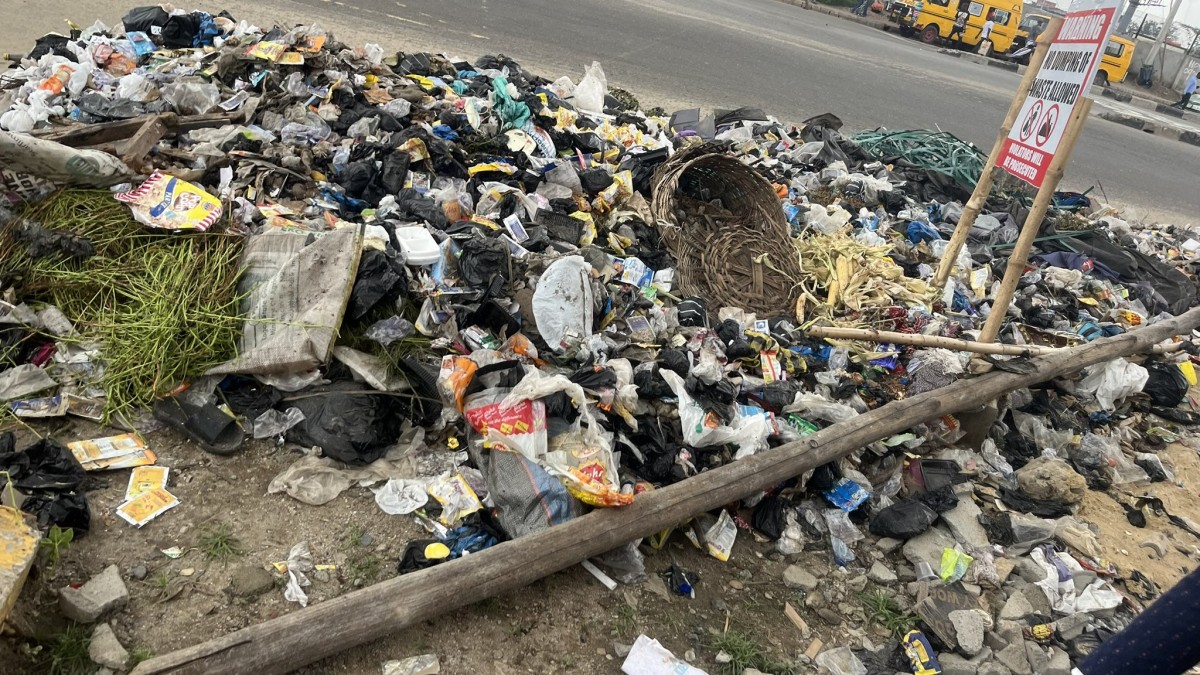
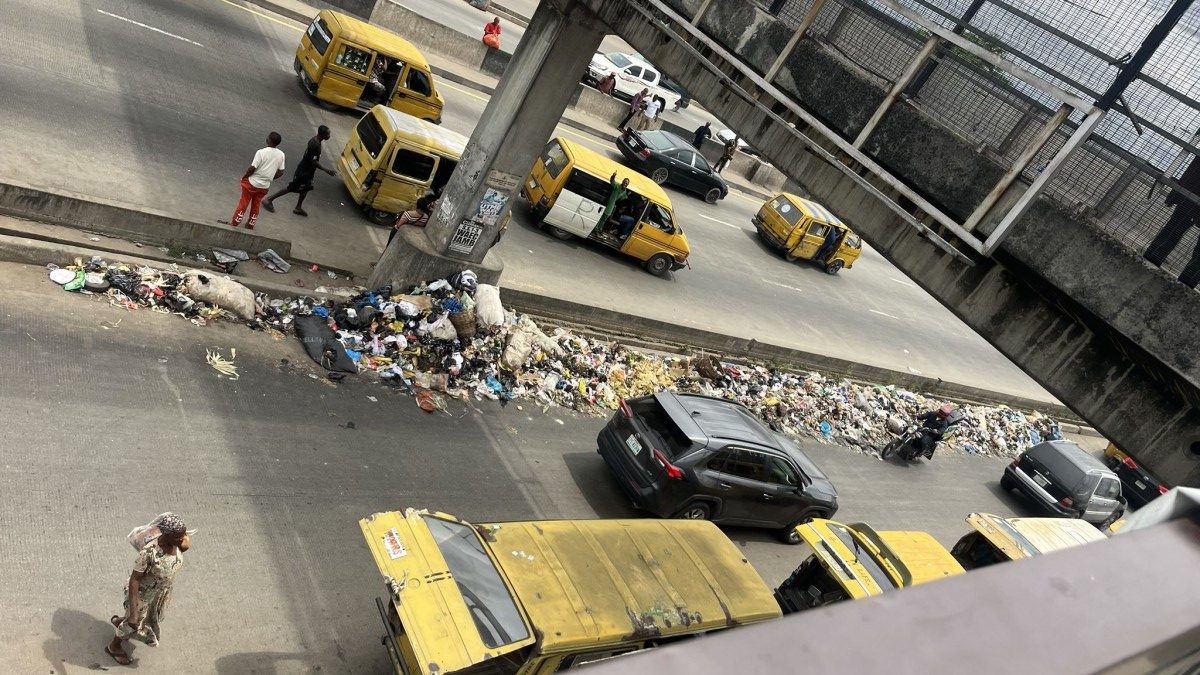
Now look at Lagos.
People drive out of their compounds every morning, stop at the nearest junction, and dump refuse on the road. They do it without shame because they see others doing it too. The behaviour has become so normalised that it barely registers as wrong anymore. That is the real problem, not just the trash itself, but the mindset that puts it there.
From Egbeda to Idimu is an eyesore even extending down to Ejigbo. The road “median” has been decorated with dirts for days, and it keeps mounting. Are we not on cusp of an epidemic? @Lawma_gov @muyiwag @Dontee___ @tokunbo_wahab @IgumaScott @AlimoshoOnline @egbeidimulcda pic.twitter.com/tIzFfSsYRM
— Alao Abiodun (@biodun_alao) June 15, 2026
Lagos State Commissioner for Environment and Water Resources, Tokunbo Wahab, posted about this on X on Sunday, attaching a photo of the mess indiscriminate dumping creates.
“Every time a bottle, food pack, nylon bag, or any waste is thrown from a vehicle onto the road, it may seem insignificant. However, when thousands of people do the same, our streets become littered, drainage channels become blocked, and the environment suffers,” he wrote.
Every time a bottle, food pack, nylon bag, or any waste is thrown from a vehicle onto the road, it may seem insignificant. However, when thousands of people do the same, our streets become littered, drainage channels become blocked, and the environment suffers.
What you throw… pic.twitter.com/KSPvS16GSJ
— Tokunbo Wahab (@tokunbo_wahab) June 14, 2026
And he is not wrong.
But Wahab’s principal also needs to hear this. The Lagos State government and the Lagos State Waste Management Authority (LAWMA) have failed residents in recent weeks. Several Lagosians say refuse has not been collected from their areas in over two weeks. One resident said it had been over a month since LAWMA visited his home, despite him disposing of his trash properly.
Oga I dispose my waste properly in my bin. The bin has been full for over a month and whenever I call LAWMA they either say that the dump site is difficult to navigate during the rainy season and they have not offloaded their truck or their truck is bad.
Lagos state has poor… https://t.co/0ya3trMuTk
— Jet Daniel 🛩️ (@LaceVine) June 15, 2026
Are Lawma workers on strike??? I am holding my breath everywhere . She fe pa wa ni
— Ummi❤️ (@Khaeer__) June 16, 2026
When the government fails to collect waste, it essentially forces residents to find their own solutions. And in Lagos, that solution is usually the nearest road.
Beyond collection, there are almost no public bins on Lagos streets. If you finish a bottle of water walking down Broad Street or Bode Thomas, where exactly are you supposed to put it? The infrastructure for responsible waste disposal barely exists, yet residents are expected to behave responsibly. That contradiction sits squarely on the government’s desk.
There's a whole regulation body for sanitation in Nigeria. In fact, I grew up knowing there was sanitation every Thursday.
How did we regress so badly? What exactly does this government do for us?
There's a whole sitting minister of health and Lagos stinks badly. https://t.co/ipR0s8h74d pic.twitter.com/XBs0KlrCUe
— Moyomss🍒 (@moyomss) June 15, 2026
Still, none of that fully excuses what Lagosians do. The Japanese government did not ask those fans to clean the stadium on Sunday. No official told them to bring trash bags to the World Cup. They did it because their culture demands it. “That is the culture… we don’t want to make the mess and then leave it,” one fan said after the match.
Lagos cannot keep waiting for a perfect government before its people decide to stop littering. Individual behaviour has to change too. The city will not clean itself.
FURTHER READING
Start somewhere. Don’t throw that bottle out of your car window. Don’t dump your bag of trash at the junction because it is convenient. The Japanese are playing football and teaching the world a lesson in civic responsibility at the same time. What is Lagos doing?
Philip Ibitoye is a Special Correspondent with EKO HOT BLOG. Click here to find daily analysis and critical insight on trending issues in Lagos and other parts of Nigeria.
Click to watch the video of the week below: