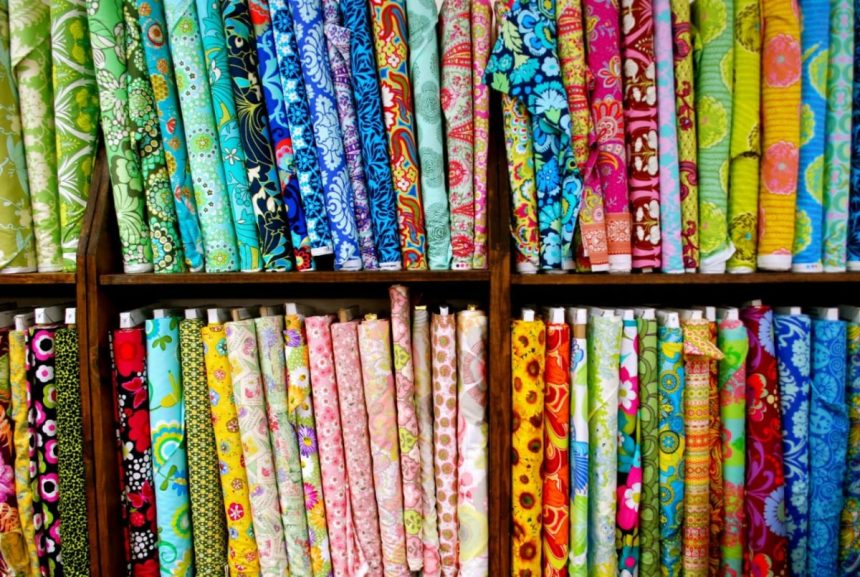
The Nigerian Senate on Tuesday called for a total ban on the importation of textile products into the country.
The resolution, which followed a motion sponsored by Senator Sunday Katung of Kaduna South, also urged the federal government to provide the Bank of Industry (BoI) with additional funding for the sector and to encourage cotton farming to support local manufacturing.
EDITOR’S PICKS
The senators are not wrong about the scale of the problem.
Nigeria once had 167 textile mills, employing around 500,000 workers at the industry’s peak in the late 1970s and 1980s. Today, the country imports more than 99 percent of its domestic textile needs. The collapse of an entire industrial sector is a legitimate crisis, and the legislature is right to treat it as one.
But the question of whether a ban is the right cure deserves serious scrutiny. EKO HOT BLOG explores the dynamics at play.
The case for the ban
Proponents argue that without hard protection, local manufacturers simply cannot compete. Senator Adamu Aliero captured the sentiment plainly: smuggling and the flood of cheap Asian textiles killed the mills, and only a ban will stop the bleeding.
There is some logic here. Countries that have built competitive textile industries — Bangladesh, Vietnam, even China itself at an earlier stage — did so behind deliberate trade protection before opening up. Nigeria’s manufacturers are not competing on a level playing field when cheaper imports, many of them smuggled and untaxed, dominate the shelves.
Why a ban alone won’t work
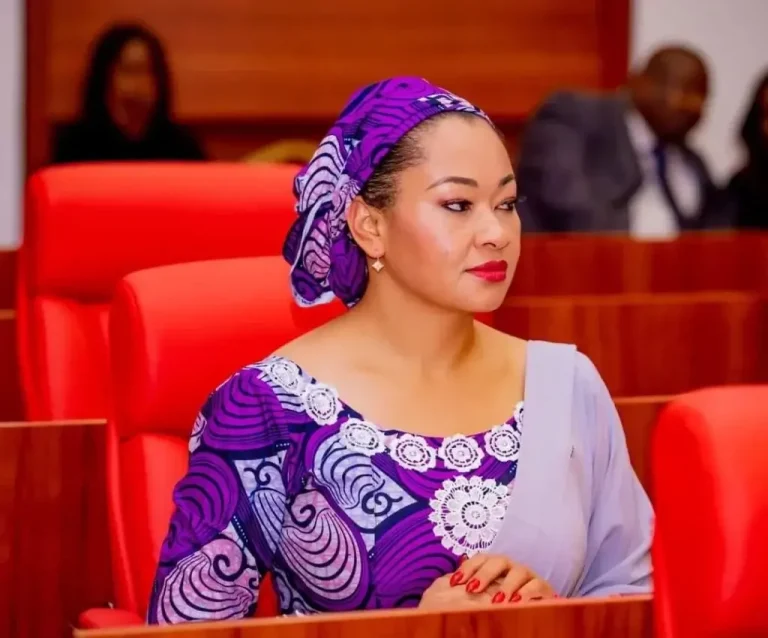
The problem is that a ban addresses the symptom, not the disease. The senators themselves identified the underlying issues in their own debate. Senator Babangida Hussaini pointed out that local machinery is obsolete and outdated. Senator Natasha Akpoti-Uduaghan raised the question of raw material supply. These are structural problems that a trade ban cannot fix.
Nigeria’s cotton output has fallen sharply over the decades, meaning that even if textile mills reopened tomorrow, the domestic raw material supply chain would not be ready to feed them. Reviving an industry that depends on cotton while cotton farming remains underfunded and underdeveloped creates a different import dependency, just one step earlier in the value chain.
There is also the enforcement question. Nigeria has had import bans before, on rice, on poultry, on other goods, and they have consistently struggled against porous borders and entrenched smuggling networks. A textile import ban without a credible enforcement framework risks achieving little beyond pushing trade underground and raising prices for ordinary Nigerians who depend on affordable clothing.
The harder work
The more durable path is also the more difficult one. It requires the BoI to deliver accessible, affordable credit to manufacturers rather than just receiving additional capitalisation on paper. It requires investment in stable electricity supply, since energy costs are among the heaviest burdens on Nigerian manufacturers. It requires rebuilding the cotton value chain, from farmer support to ginning infrastructure. And it requires tackling the smuggling networks that have undercut local producers for decades, a law enforcement and customs challenge that predates any import ban.
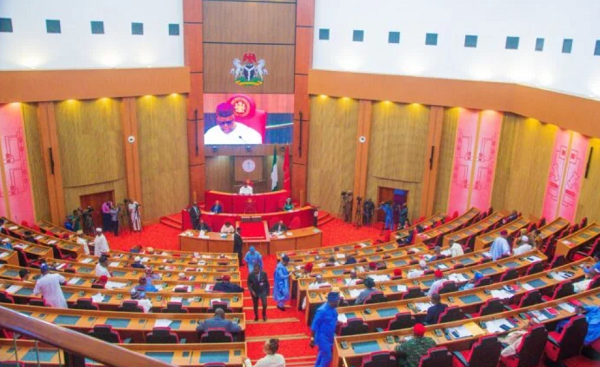
Senator Jibrin Isah, one of the co-sponsors, acknowledged as much when he warned that the motion should not “die like other motions” and called for direct engagement with the ministry of industry on implementation. That instinct is correct. The problem in Nigeria’s textile sector is not the absence of policy resolutions, it is the absence of follow-through.
Way Forward
A ban on textile imports is not inherently the wrong idea, but it is being proposed without the scaffolding that would make it work. Protection without productivity investment is not revival; it is a delay.
FURTHER READING
The Senate’s diagnosis of the crisis is sound. Its prescription, as it stands, is incomplete. The more urgent resolution is not a ban on imports but a serious, funded, and monitored plan to make Nigerian textile production competitive again. That is the only thing that will actually work.
Philip Ibitoye is a Special Correspondent with EKO HOT BLOG. Click here to find daily analysis and critical insight on trending issues in Lagos and other parts of Nigeria.
Click to watch the video of the week below: