- He described education as a vital tool for social mobility, human capital development, and economic growth
- The initiative is supported by a $25 million outcomes-based fund, designed to benefit around 200,000 children across the state
- The governor noted that LEAF aligns with the THEMES+ Development Agenda, specifically the pillar on education and technology
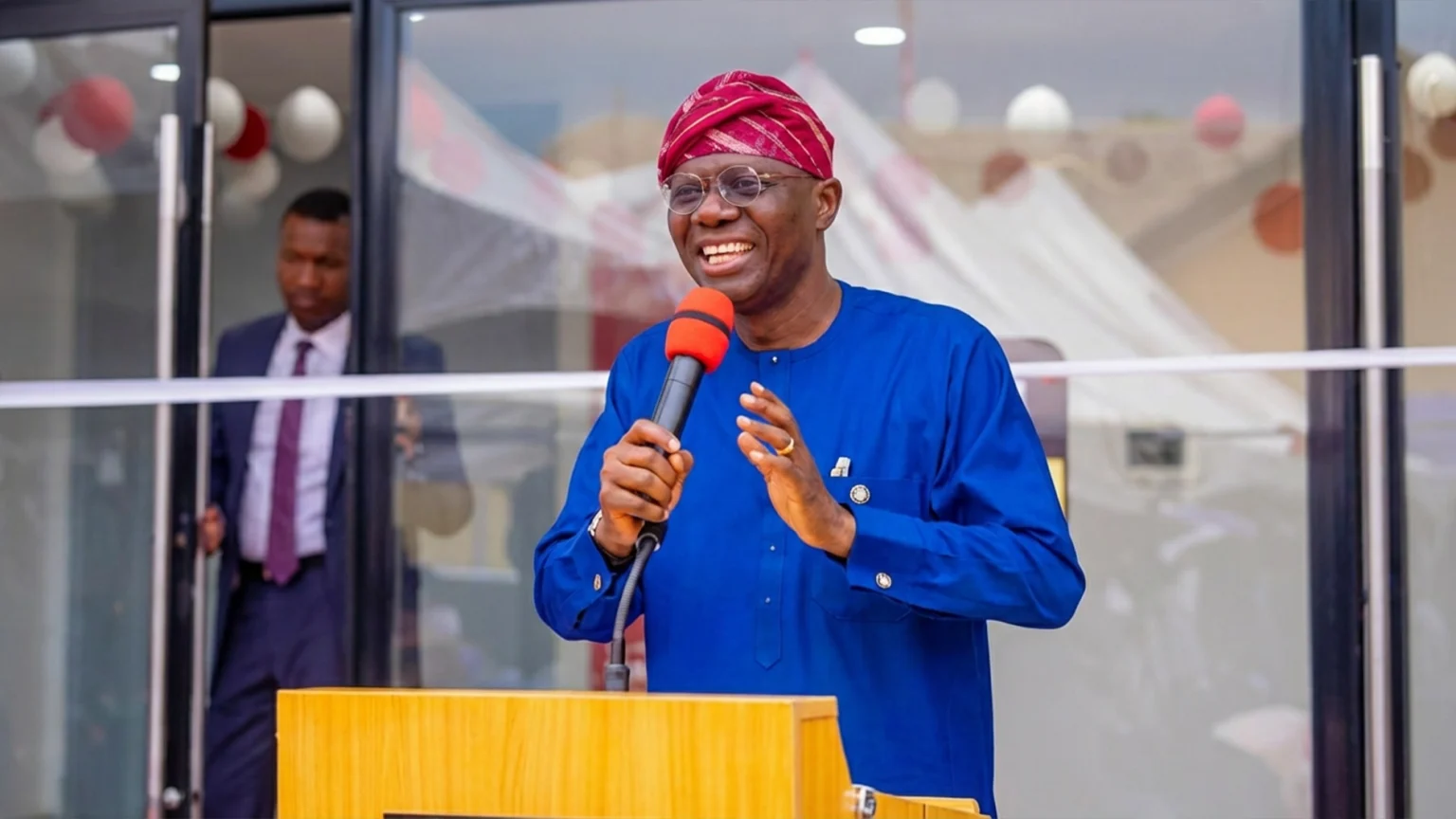
The Lagos State Government has unveiled the Lagos Education Access Fund (LEAF), an initiative aimed at enrolling 50,000 out-of-school children into formal education and improving learning outcomes across public schools in the state.
Eko Hot Blog gathered that Governor Babajide Sanwo-Olu announced the programme during a ceremony at Lagos House, Marina, highlighting the government’s commitment to providing free and quality basic education for all children in Lagos.
EDITOR’S PICK
- Why Return of Lagos Monthly Sanitation Exercise is Long Overdue
- Four Killed as Truck Crashes Into Bus on Lekki–Epe Expressway
- Uzodimma: Tinubu Reforms Prevent Fuel Crisis
He described education as a vital tool for social mobility, human capital development, and economic growth.
The initiative is supported by a $25 million outcomes-based fund, designed to benefit around 200,000 children across the state.
While 50,000 out-of-school children aged six to fourteen are expected to be enrolled in schools through LEAF, the programme also aims to enhance literacy and numeracy for 150,000 pupils already attending public schools.
Sanwo-Olu explained that the programme builds on the success of Project Zero, launched in 2021 to reintegrate out-of-school children. “Through the previous initiative, over 36,000 children have already returned to classrooms across Lagos,” he said.
The governor noted that LEAF aligns with the THEMES+ Development Agenda, specifically the pillar on education and technology, which focuses on building human capital and fostering a knowledge-driven society.
He also emphasized community involvement, noting that over 360 parents and guardians have received vocational and livelihood training in areas such as fashion design, catering, soap making, and hairdressing to better support their children’s education.
Sanwo-Olu expressed gratitude to development partners, including the Education Outcomes Fund, the Children’s Investment Fund Foundation, the Federal Ministry of Education, and Japan’s Ministry of Foreign Affairs, for their support in advancing educational reforms. He also commended the leadership of the Lagos State Universal Basic Education Board for their dedication.
Commissioner for Basic and Secondary Education, Jamiu Alli-Balogun, described LEAF as a transformative initiative that will strengthen the state’s education ecosystem and accelerate access to quality learning for children.
Dr Amel Karboul, CEO of the Education Outcomes Fund, explained that the programme employs a results-based financing model, focusing on measurable outcomes such as enrolment, retention, and completion rather than traditional input-based funding.
“The innovation lies in paying for verified results, not just resources like textbooks or salaries,” she said, adding that technology and monitoring systems would ensure children remain in school and receive quality education.
Eunice Ogolo, Director at the Children’s Investment Fund Foundation, announced the foundation’s $10 million contribution to LEAF and stressed the urgency of addressing the challenge of children outside the school system.
She praised Lagos State for prioritizing results-driven interventions and reaffirmed the foundation’s commitment to ensuring that every child acquires essential literacy and numeracy skills.
FURTHER READING