- He said the rising expenditure has limited the university’s ability to channel funds into academic development and infrastructure expansion
- The minister also announced additional infrastructure projects for LASU, including an 11 megawatt independent power plant
- He said the administration remains focused on expanding access, improving infrastructure
Electricity costs at the Lagos State University have soared beyond ₦200 million monthly, largely due to unreliable grid supply and the institution’s reliance on diesel powered generators for daily operations.
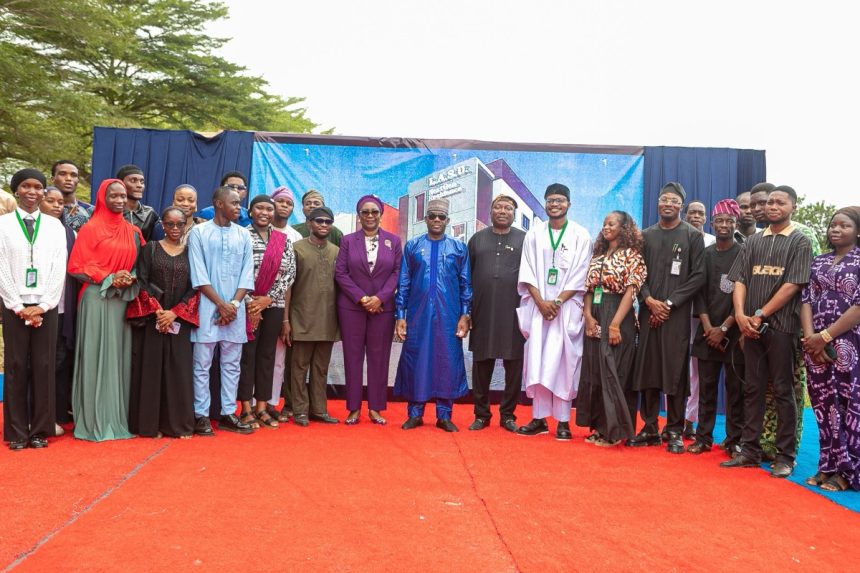
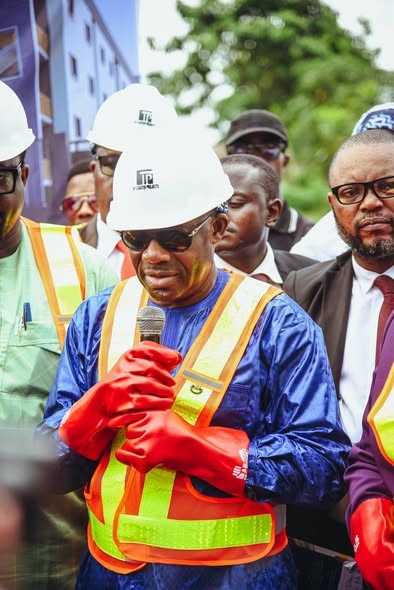
Eko Hot Blog gathered that the Commissioner for Tertiary Education, Tolani Sule, disclosed this on Friday during the sod turning ceremony for a TETFund and public private partnership student hostel project at the university’s main campus in Ojo.
EDITOR’S PICK
- Lassa Fever Hits Oyo, Government Activates Emergency Response
- Bruno Fernandes Reveals Why He Rejected Huge Al Hilal Move
- FG Defends Borrowing Strategy
Sule explained that the monthly electricity bill covers power supply to lecture halls, administrative buildings, faculties, hostels, and other essential facilities, noting that the cost has become a major financial burden on the institution.
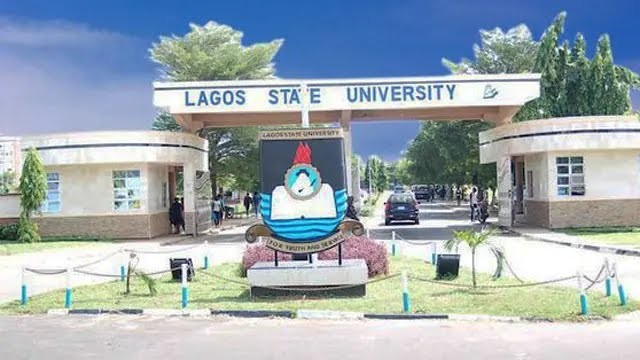
He said the rising expenditure has limited the university’s ability to channel funds into academic development and infrastructure expansion, describing it as one of the biggest operational challenges facing public tertiary institutions in Lagos State.
According to him, the situation is worsened by unreliable national grid supply, forcing the university to rely heavily on diesel powered generators to maintain operations across campuses.
The commissioner expressed optimism that planned federal interventions, including an independent power project for LASU, would significantly reduce electricity costs and improve efficiency across the institution.
He also highlighted the broader infrastructure programme being implemented in the university, including a 1,500 bed space hostel project delivered through a partnership between TETFund and private investors.
The project is part of a wider national initiative aimed at expanding student accommodation across tertiary institutions, addressing severe housing shortages affecting university campuses.
Minister of Education, Dr Maruf Alausa, said the federal government is committing about ₦200 billion in 2026 to student hostel development across the country, with about 50 institutions expected to benefit.

He explained that the funding includes major interventions under TETFund and public private partnerships designed to bridge accommodation gaps in universities, polytechnics, and colleges of education.
Alausa noted that LASU, with about 84,000 students but only around 7,000 bed spaces, faces a significant accommodation deficit that the new project aims to address.
He said the 1,500 bed space hostel will include modern facilities such as a gym, library, supermarket, canteen, restaurant, and recreational areas to improve student welfare.
The minister also announced additional infrastructure projects for LASU, including an 11 megawatt independent power plant at the Ojo campus and a 4 megawatt facility at the Epe campus to ensure stable electricity supply.
Other planned developments include a new 3,000 seat auditorium and an engineering faculty building, alongside transport support to improve mobility within the campus.
Alausa added that government reforms in the education sector have helped sustain uninterrupted academic calendars over the past three years through improved funding and labour relations.
He said the administration remains focused on expanding access, improving infrastructure, and strengthening the quality of tertiary education nationwide.
Stakeholders at the event expressed optimism that the ongoing projects would ease financial pressure on the university and significantly improve learning conditions for students.
FURTHER READING