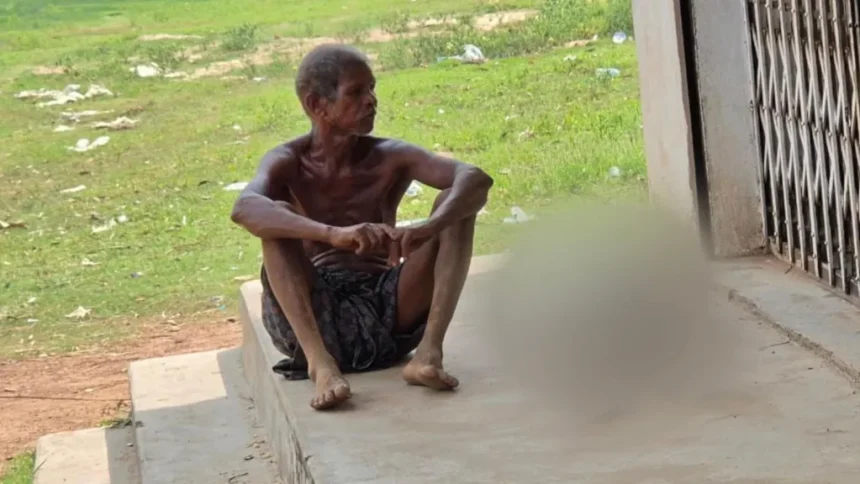
- He exhumed her remains and carried them to the bank out of frustration over the documentation required
- Before her death, she reportedly deposited about 19,300 rupees in a bank account
- When they kept asking for documents, I became frustrated and decided to show them she had died,” he said
A man in eastern India has triggered widespread outrage after bringing his sister’s skeletal remains to a bank in a desperate attempt to prove her death and access her savings.
Eko Hot Blog gathered that the incident occurred in Odisha, where 52-year-old Jitu Munda said he took the drastic step after repeated failed efforts to withdraw money belonging to his late sister.
EDITOR’S PICK
- Lassa Fever Hits Oyo, Government Activates Emergency Response
- Bruno Fernandes Reveals Why He Rejected Huge Al Hilal Move
- FG Defends Borrowing Strategy
According to authorities, he exhumed her remains and carried them to the bank out of frustration over the documentation required.
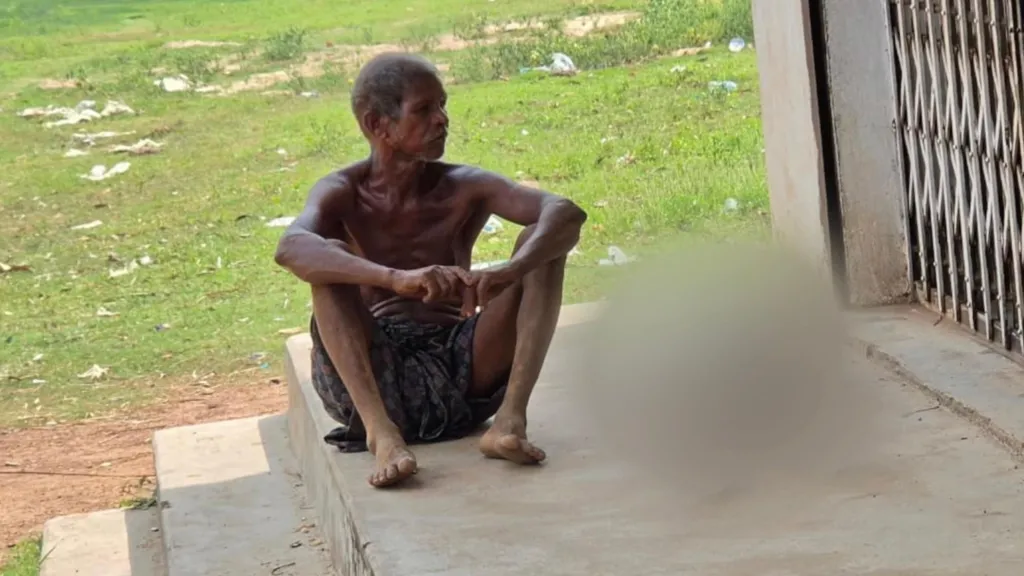
A video of the act, recorded in Keonjhar district, quickly went viral, drawing criticism of both the banking system and local officials for what many described as a lack of support for vulnerable citizens.
Munda explained that his sister, Kalara, had died earlier in the year after living as a daily wage labourer. Before her death, she reportedly deposited about 19,300 rupees in a bank account.
However, after she passed away, he said he was unable to access the funds because he could not provide the necessary legal proof, such as a death certificate.
“When they kept asking for documents, I became frustrated and decided to show them she had died,” he said.
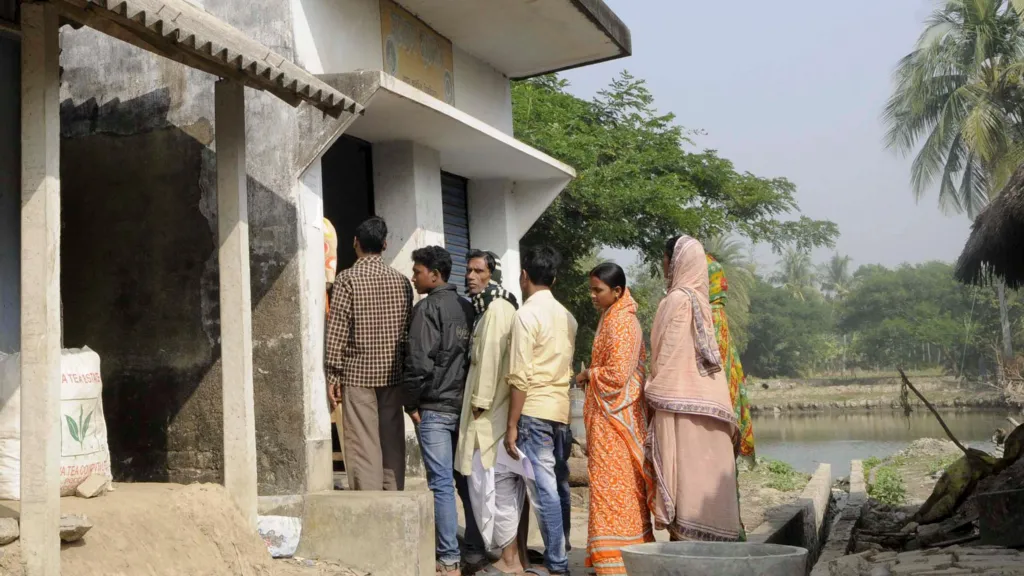
The bank involved, linked to Indian Overseas Bank, denied asking him to produce physical proof of death.
Officials stated that standard procedures were explained to him and that required documentation must be submitted before funds can be released, especially in cases where no nominee is listed.
The bank also challenged parts of Munda’s account, alleging he had been disruptive during earlier visits and failed to follow due process.
The incident has sparked broader debate about bureaucratic hurdles faced by rural families in India, particularly when trying to access funds after a relative’s death.
In such cases, families are typically required to provide a death certificate and proof of legal heirship, documents that can be difficult to obtain in remote areas.
Following public backlash, authorities in Odisha launched an investigation. State Revenue Minister Suresh Pujari said appropriate action would be taken if any wrongdoing was established, while local officials expressed concern over the handling of the situation.
Police later intervened, convincing Munda to return the remains for reburial and assuring him that his concerns would be addressed. Officials also provided financial assistance and expedited the process of issuing the required documents.
By midweek, the necessary paperwork had been completed, and the bank confirmed that the funds had been released to the rightful beneficiaries.
FURTHER READING