In February 2026, the National Agency for Food and Drug Administration and Control (NAFDAC) has made headlines twice in quick succession.
In Niger State, according to a statement by NAFDAC on Thursday, February 19, agents sealed 18 warehouses packed with expired food and beverages worth over N100 million — products that had been quietly repackaged and relabelled to fool unsuspecting buyers.
EDITOR’S PICKS
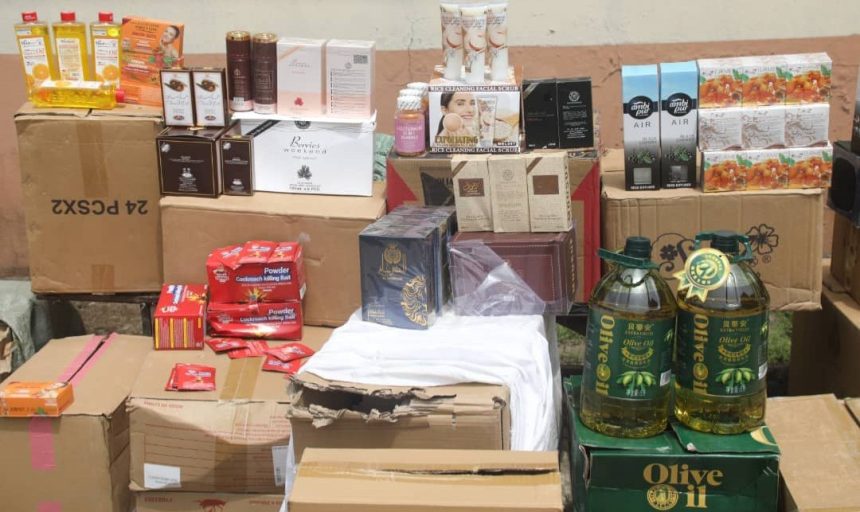
Days later, in Lagos, a hidden warehouse at the APT Trade Fair Complex yielded N3 billion worth of fake and banned cosmetics, including soaps outlawed by the Federal Government. Both discoveries are damning.
But the question Nigerians may be asking is no longer whether NAFDAC is doing its job. It is whether the punishment fits the crime.
The Crime Hidden in Plain Sight
Selling expired food is not carelessness. It is a deliberate act. The Niger State warehouses did not simply hold old stock — operators had gone the extra mile of repackaging the goods, replacing labels, and returning them to shelves. That is premeditated. Someone sat down and decided that masking an expired date was worth the risk, knowing full well what ingesting such products could do to a child, a pregnant woman, or an elderly person.
NAFDAC Seals 18 Warehouses Over Expired Food Products in Niger State
NAFDAC has sealed 18 warehouses in Bida, Niger State, following the discovery of large quantities of expired food and beverage products valued at over ₦100 million. The operation, carried out by NAFDAC’s… pic.twitter.com/5aF3qh1Kiz
— NAFDAC NIGERIA (@NafdacAgency) February 19, 2026
The Lagos case is no different. Crusader soap and E45 soap are not obscure products. They are trusted household names, the kinds of products that mothers buy for their children’s skin.
NAFDAC Uncovers Warehouse with Banned and Fake Cosmetics Worth Over ₦3 Billion in Lagos
NAFDAC has uncovered a warehouse stocked with banned, fake, and unregistered cosmetic products valued at over ₦3 billion at the APT Trade Fair Complex in Lagos state. The facility was… pic.twitter.com/5FXgxQPtJU
— NAFDAC NIGERIA (@NafdacAgency) February 22, 2026
Flooding the market with banned or counterfeit versions of these items is not a business error — it is an exploitation of public trust. The people behind these schemes knew what was at stake. They simply did not care.
When Seizures Become a Business Model
Nigeria’s regulatory framework gives NAFDAC strong powers of seizure and destruction. What it has not consistently delivered is prosecution. Warehouses get sealed. Managers get “invited for questioning.” Products get evacuated. And then, often, the news cycle moves on.
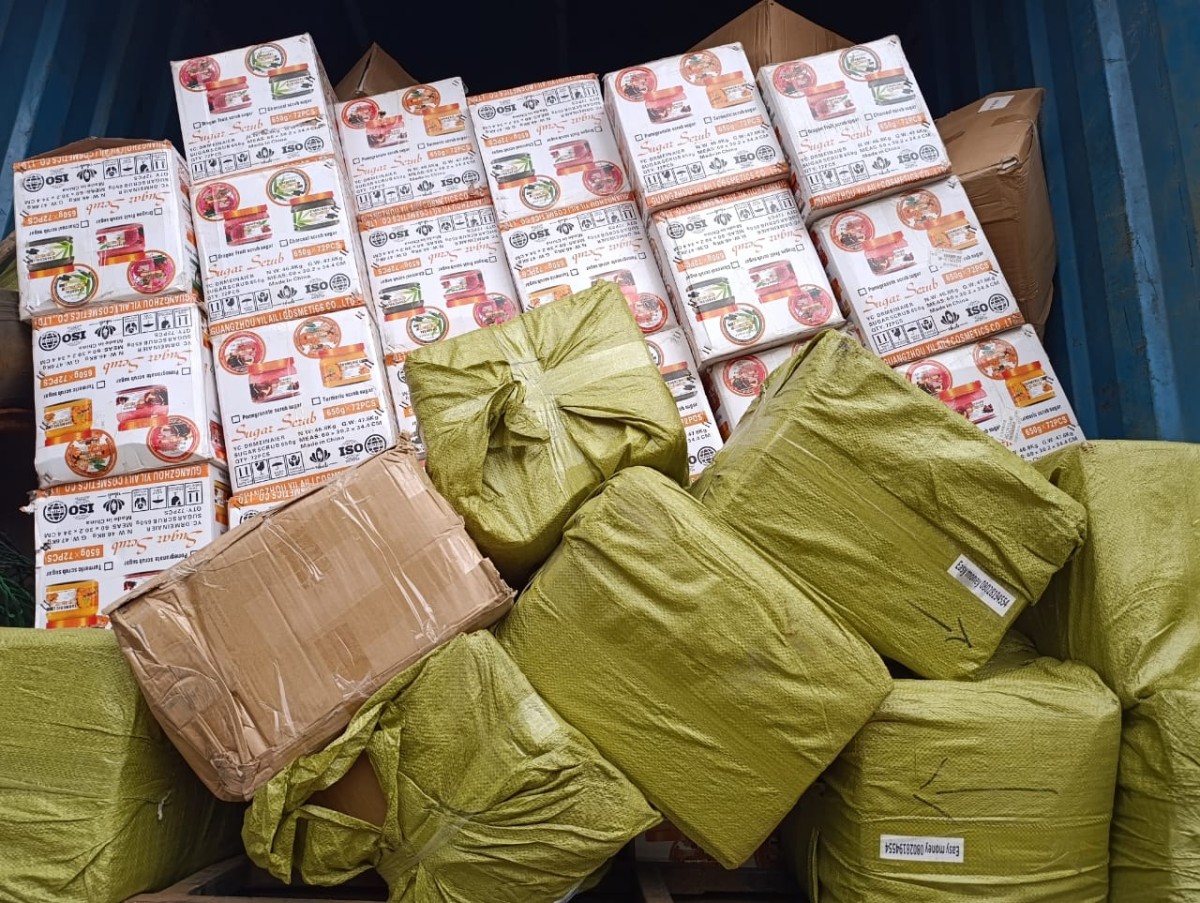
This pattern has a cost. When offenders calculate the risk of running a N3 billion fake cosmetics operation against the realistic prospect of a sealed warehouse and a police interview, the numbers may still favour the crime. Seizure without prosecution is not deterrence, it is inconvenience. And inconvenience is a business expense that can be priced in.
NAFDAC’s enforcement capacity has grown visibly in recent years, and the agency deserves credit for the scale of these operations. But capacity without consequence is a half-measure. The agency cannot prosecute alone — it needs the courts, the Ministry of Justice, and the political will to see cases through. That chain is where accountability repeatedly breaks down in Nigeria.
What Justice Actually Looks Like
Expired food and fake cosmetics are not victimless offences. Contaminated products cause food poisoning, organ damage, and in severe cases, death. Banned skin-lightening soaps linked to mercury and hydroquinone have documented health consequences. The victims are often poor Nigerians who cannot afford premium brands and who have no way of knowing that a product on a market shelf has been relabelled or counterfeited.
Other countries treat food fraud and product adulteration as serious crimes with custodial sentences. In the United States and across the European Union, prosecutions for food fraud routinely result in prison terms and heavy fines proportional to the scale of the operation. Nigeria has laws that permit similar outcomes — Section 25 of the NAFDAC Act provides for up to five years imprisonment. The question is enforcement, not legislation.
FURTHER READING
Seizing goods is the beginning of justice, not the end. Until Nigeria begins to treat the deliberate poisoning of its citizens — through expired food, counterfeit medicine, or banned cosmetics — with the gravity it deserves, the warehouses will keep filling up. NAFDAC can seal them. But only the courts can empty them for good.
Philip Ibitoye is a Special Correspondent with EKO HOT BLOG. Click here to find daily analysis and critical insight on trending issues in Lagos and other parts of Nigeria.
Click to watch the video of the week below: