- Tinubu will appoint a new INEC Chairman this week.
- Yakubu steps down after ten years of reforms and challenges.
- Lawmakers push for electoral reforms before 2027 polls.
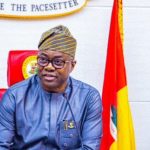
President Bola Tinubu is set to announce a new Chairman for the Independent National Electoral Commission (INEC) this week, following the official exit of Professor Mahmood Yakubu, whose second and final term has ended.
EDITOR’S PICKS
- Edo PDP Crisis Deepens as Wike’s Camp Elects New Executives
- 2027: ‘Atiku, Obi No Match’ – Oshiomhole Predicts Tinubu’s Victory
- Dr. Alausa, Sabi Abdullahi Unveil New Agricultural Curriculum to Tackle Food Crisis
EKO HOT BLOG reports that Yakubu, who served for a decade, handed over to May Agbamuche-Mbu, a senior national commissioner, now acting as INEC Chairman pending the appointment of a substantive replacement.
According to the Presidency, the announcement will follow Thursday’s Council of State meeting, where the President is expected to present the list of nominees for consideration.
Special Adviser to the President on Information and Strategy, Bayo Onanuga, said Tinubu commended Yakubu for his “dedicated service in strengthening Nigeria’s democracy through the conduct of credible elections.” The President also conferred on him the national honour of Commander of the Order of the Niger (CON).
Yakubu, in a letter dated October 3, thanked the President for the opportunity to serve, noting that his tenure was a decade of “reform, innovation, and challenges.”
Appointed in 2015 by former President Muhammadu Buhari and reappointed in 2020, Yakubu introduced major electoral reforms, including the Bimodal Voter Accreditation System (BVAS) and the INEC Results Viewing Portal (IReV). These innovations were designed to enhance transparency and voter confidence, though technical glitches during the 2023 elections drew public criticism.
In his farewell speech at INEC headquarters, Yakubu highlighted the Commission’s achievements under his leadership, such as the expansion of polling units, introduction of inclusive voting for persons with disabilities, and the establishment of the Election Monitoring and Support Centre. He acknowledged the challenges faced, including logistics issues, insecurity, and low voter turnout, but expressed pride in INEC’s institutional resilience.
Legal experts have since weighed in on the process of appointing a new INEC boss. Senior Advocate of Nigeria (SAN) Ifedayo Adedipe described the debate over presidential appointment as “misplaced,” arguing that the integrity of elections depends on citizens, not just leadership.
Another SAN, Adedayo Adedeji, maintained that the Constitution empowers the President to appoint the INEC Chairman, subject to Senate confirmation. He, however, called for transparency and broad consultation to ensure credibility.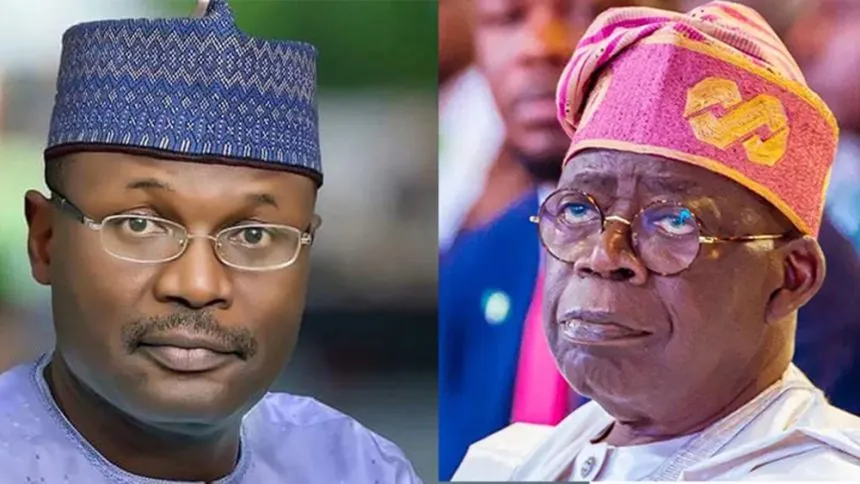
Meanwhile, Speaker of the House of Representatives, Tajudeen Abbas, urged lawmakers to prioritise electoral reforms ahead of the 2027 general elections, stressing the need for clarity, inclusiveness, and stronger laws to improve Nigeria’s democratic process.
FURTHER READING
- World Teachers’ Day: Dr. Alausa Calls for Teamwork Among Nigerian Teachers
- Jandor Warns Jonathan Against 2027 Presidential Bid, Says Tinubu Unbeatable
- Snowstorm Traps Nearly 1,000 on Mount Everest Eastern Slopes