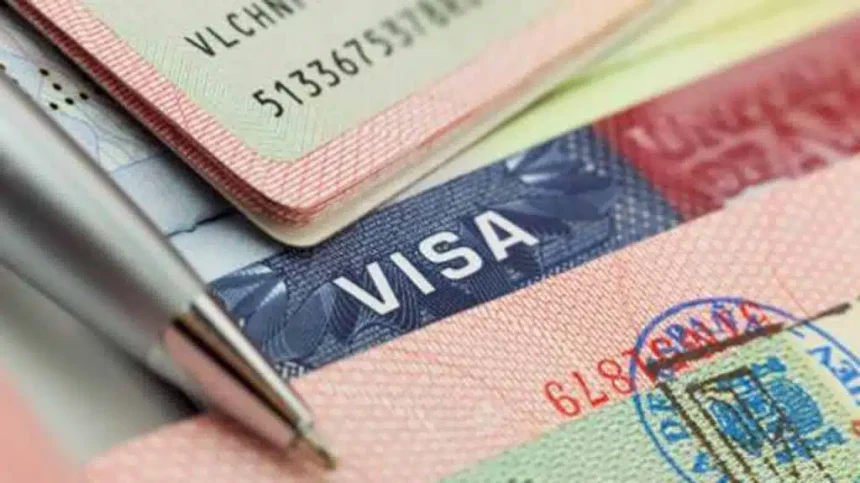
The United States (US) has suspended all visa processing for Nigerian applicants as part of a sweeping immigration policy shift affecting at least 75 countries worldwide.
EKO HOT BLOG gathered that the directive, which will take effect on January 21, marks anothee significant tightening of America’s immigration screening procedures and introduces fresh uncertainty for thousands of Nigerians who apply annually for travel, study, work and family reunification visas to the US.
EDITOR’S PICKS
The pause was instituted through an internal memo from the US Department of State to consular officers at American embassies and consulates globally.
The instruction directs visa officers to refuse applications using existing provisions of US immigration law while Washington conducts a comprehensive reassessment of its screening and vetting procedures. The suspension applies across multiple visa categories and will remain in force indefinitely until the review is completed.
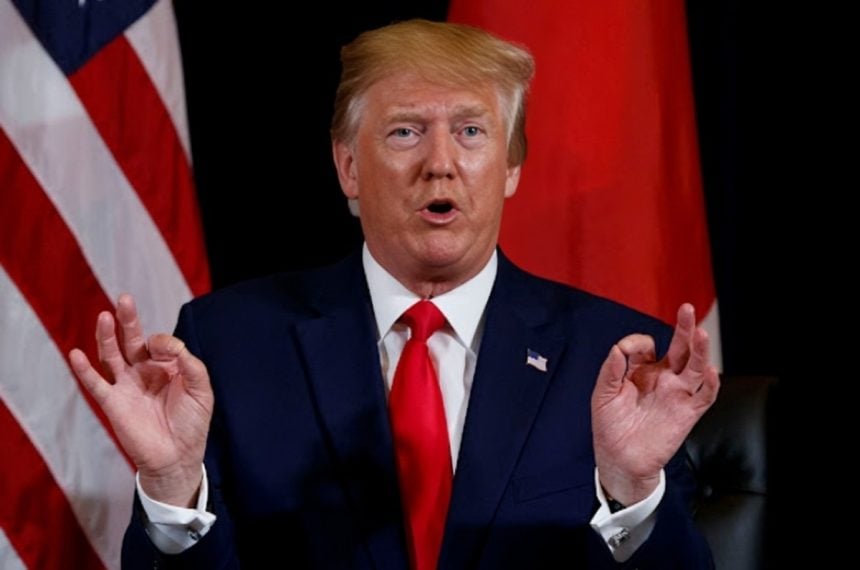
It is only the latest in a string of US visa restrictions directed at Nigeria over the past year. Last December, EKO HOT BLOG reported how President Donald Trump signed a proclamation that placed Nigeria under partial travel restrictions, citing security concerns and problems with visa overstays.
Nigeria finds itself among a diverse group of nations spanning Africa, the Middle East, Asia, Europe and Latin America now subject to the latest, enhanced restrictions. Other affected countries include Russia, Somalia, Egypt, Iran, Iraq, Yemen, Afghanistan, Brazil and Thailand. While the State Department memo did not single out Nigeria specifically, its inclusion places the West African nation under the same scrutiny as countries that have attracted particular attention from US immigration authorities.
The policy shift centers on stricter enforcement of the “public charge” rule, a long-standing element of US immigration law that permits authorities to deny visas to individuals considered likely to become dependent on public benefits.
In November 2025, the State Department issued guidance to embassies worldwide directing consular officers to apply more rigorous standards when assessing visa applicants under this provision.
Under the expanded guidance, visa officers must now consider a broader range of factors when evaluating applications. These include the applicant’s age, health status, proficiency in English, financial capacity, employment prospects and potential need for long-term medical care. Applicants deemed at risk of requiring public assistance can be refused entry to the United States, even if they meet other visa requirements.
The heightened focus on welfare dependency follows a major fraud investigation in Minnesota that uncovered widespread abuse of taxpayer-funded welfare programmes. Federal prosecutors said many of those implicated were Somali nationals or Somali-Americans, a development that intensified scrutiny of visa applications from countries perceived to present similar risks. While Nigeria was not connected to that investigation, the country’s inclusion in the broader directive suggests the US government is applying its reassessment widely rather than limiting it to specific cases of documented fraud.
For Nigeria, the implications are substantial. Each year, tens of thousands of Nigerians apply for various categories of US visas, including student visas for those pursuing higher education, employment-based visas for professionals and skilled workers, tourist visas for business and leisure travel, and family-based visas for those with relatives in America. The suspension effectively halts all these applications, leaving prospective travelers, students preparing for academic programmes, and families awaiting reunification in limbo.
The State Department has not provided a timeline for completing its review or indicated whether any humanitarian exemptions will be granted during the pause. This absence of clarity compounds the uncertainty facing Nigerian applicants who may have already invested significant time and resources in preparing their applications, securing admission to American universities, or making arrangements for employment or family visits.
FURTHER READING
Nigerian students, entrepreneurs, medical professionals and families with American connections now face an indefinite wait as the US reassesses its approach to immigration from Nigeria and dozens of other countries worldwide.
Philip Ibitoye is a Special Correspondent with EKO HOT BLOG. Click here to find daily analysis and critical insight on trending issues in Lagos and other parts of Nigeria.
Click here to watch the video of the week below: