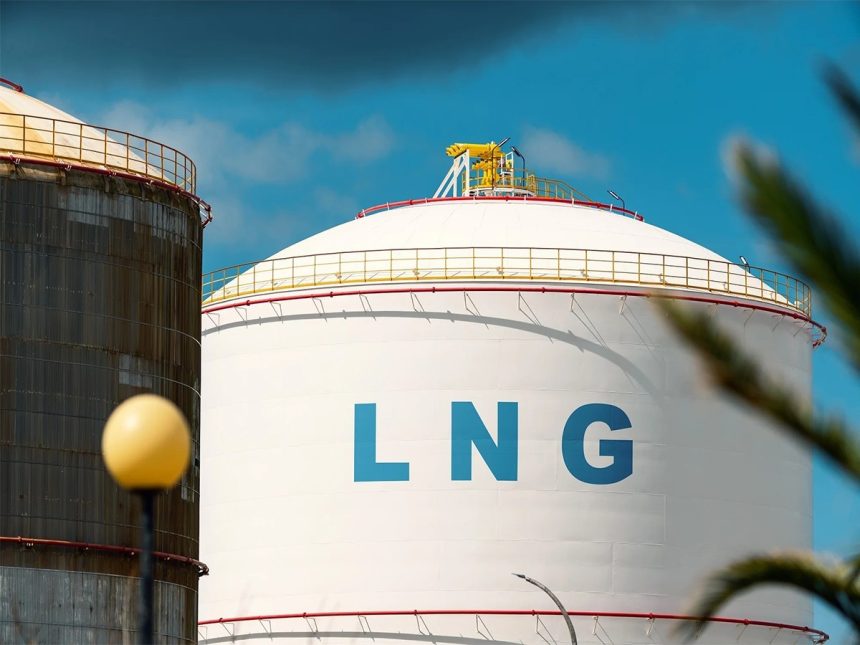
- A Nigeria LNG shipment has been diverted from Europe to Asia to capitalize on a massive price surge in the Pacific market.
- The benchmark Japan-Korea Marker (JKM) for LNG jumped 68.5% last week to $25.39 per mmBtu, the highest level in three years.
- Analysts cite the ongoing U.S.-Iran conflict and production halts in Qatar as the primary drivers of the global supply squeeze.
A shipment of Liquefied Natural Gas (LNG) from Nigeria has been diverted to Asia as global traders scramble to take advantage of a significant price gap between Asian and European markets.
Eko Hot Blog reports that data from the analytics firm Kpler shows that the LNG tanker BW Brussels, which loaded its cargo at the Bonny Island Terminal on February 27, initially set a course for Europe.
EDITOR’S PICK
- 540 Candidates Cleared as Lagos APC Moves to Elect LGA Executives
- Court Sentences Pastor to Death for Killing UniUyo Student
- Lagos Teacher Questions Lack of Recognition for One-Day Governor Mentors
However, on March 3, the vessel altered its route, heading south toward Asia via the Cape of Good Hope.
Spot prices in Asia surged by nearly 69 percent last week, reaching a three-year high of over $25 per million British thermal units (mmBtu).
In contrast, European prices, while also rising, currently sit around $15.47 per mmBtu. This $10 difference has created a lucrative “arbitrage” opportunity, allowing traders to earn a premium by redirecting flexible shipments to Asian buyers.
Market experts point to several geopolitical factors for this volatility. Production suspensions in Qatar, one of the world’s largest exporters and escalating tensions between the United States and Iran have drastically reduced available supply.
With Qatari exports disrupted, Asian nations like India and Bangladesh are aggressively scouting for alternative sources, driving prices even higher.
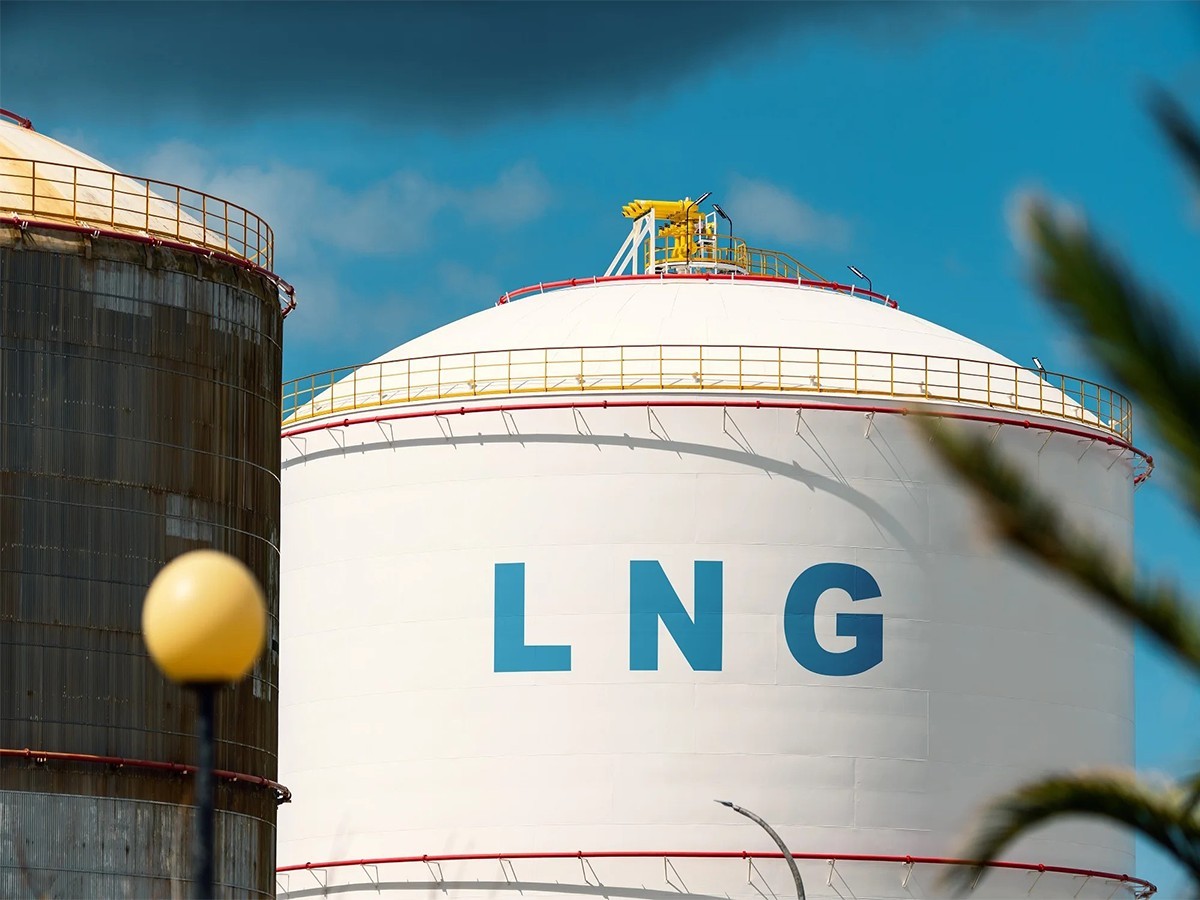
Industry analysts at Spark Commodities noted that these arbitrage opportunities have increased significantly across major LNG export hubs.
For Atlantic Basin producers like Nigeria, the current market dynamics make the Pacific a far more attractive destination for shipments that are not locked into specific European ports.
As the supply gap persists, more cargoes from the Atlantic are expected to follow the BW Brussels eastward.