- Nigeria Moves To Boost Palm Oil Production, Cut Imports
- Nigeria faces over one million tonne supply deficit annually.
- Seven estates planned to boost production and create jobs.
The Federal Government has unveiled a coordinated plan to revive Nigeria’s palm oil industry, targeting a reduction in import costs by up to 500 million dollars annually through a public private investment model.
The initiative, led by the Federal Ministry of Agriculture and Food Security in partnership with Mass Industrial Development and Logistics Limited and other stakeholders, aims to close the supply gap, drive agro industrial growth, and create jobs across the value chain.
EDITOR’S PICKS
- JAMB Delists 23 CBT Centres, Warns 89 After Mock UTME Review
- NASA Astronauts Return to Earth After First Human Trip to the Moon in 50 Years
- INEC Shifts Nationwide Voter Revalidation Until After 2027 General Election
EKO HOT BLOG reports that speaking on the programme, the Minister of Agriculture and Food Security, Abubakar Kyari, represented by his Senior Technical Assistant, Ibrahim Alkali, said the project would operate strictly under a Public Private Partnership arrangement. He noted that government support would focus on policy, regulation, and institutional backing without relying on public borrowing.
Kyari disclosed that Nigeria currently produces about 1.4 million metric tonnes of palm oil annually, which falls short of the national demand of over 2.5 million metric tonnes. This deficit of more than one million tonnes has driven imports valued between 500 million and 600 million dollars each year.
He said the new plan is designed to reverse the trend and reposition the sector as a key driver of economic growth. “Nigeria must take deliberate steps to move from intention to implementation,” he said.
Under the first phase, seven integrated oil palm estates will be established, each covering 10,000 hectares across selected states. The estates will combine cultivation with modern processing facilities, storage systems, logistics networks, and residential communities expected to support more than 2,000 families per location.
The second phase will focus on downstream processing, with emphasis on value addition, manufacturing of palm based products, and export expansion.
Financial projections presented at a stakeholders meeting estimate returns between 18 and 25 percent, with investment payback expected within five to seven years.
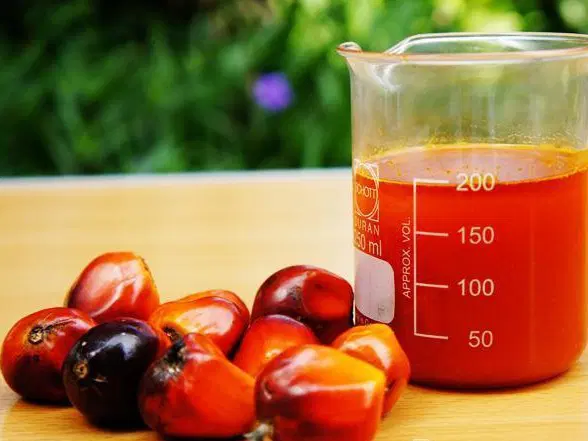
Kyari also noted that Nigeria has over three million hectares suitable for oil palm cultivation, much of which remains underutilised due to ageing plantations and limited access to improved inputs.
He called on state governments to support land access, infrastructure, and community engagement to attract investment and boost rural livelihoods.