- Nigeria’s Mining Sector Attracts Over $2bn as Reforms Drive Growth
- Alake said the sector is moving away from informal mining practices to a regulated framework
- Stakeholders say the reforms will not only boost revenue but also expand employment opportunities
Nigeria’s solid minerals sector is gaining fresh momentum as ongoing reforms drive increased investor confidence, with over $2 billion in investments recorded and ₦68.1 billion generated in revenue in 2025.
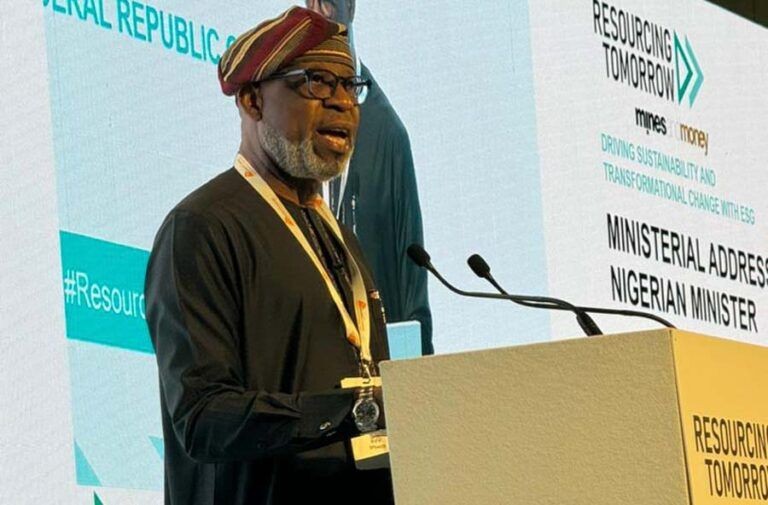
Eko Hot Blog reports that the Minister of Solid Minerals Development, Dele Alake, disclosed this at the Africa Commodities Conference and Exhibition in Abuja, highlighting a shift toward a more structured and industrialised mining ecosystem.
- 10 Nigerians Convicted in US Over $125m Internet Fraud Scheme
- Ikeja Electric Implements Load Shedding Amid Power Shortage
- Body of Man Killed by Police in Delta Not Missing – Police Command
Represented by Etido Umoakpan, Alake said the sector is moving away from informal mining practices to a regulated framework aligned with the economic direction of Bola Ahmed Tinubu’s Renewed Hope Agenda.
He noted that Nigeria is repositioning itself from exporting raw minerals to focusing on local processing and value addition, a move expected to increase earnings and create jobs.
“Nigeria would no longer be satisfied with a pit-to-port model,” he said.
The minister explained that reforms are being driven through existing legal frameworks such as the Minerals and Mining Act of 2007 and enhanced with digital systems like the eMC+ cadastre platform to improve transparency and licensing efficiency.
He added that mining firms are now required to present value-addition plans before obtaining licences, a policy aimed at deepening local industrial capacity.
The impact of these measures is already visible, with major projects underway, including lithium processing plants, mining operations, and an iron ore-to-steel initiative across states such as Nasarawa and Kogi.
Beyond large-scale investments, the government is also focusing on formalising artisanal mining by integrating operators into cooperatives, a move expected to curb illegal mining and improve productivity.
Stakeholders say the reforms will not only boost revenue but also expand employment opportunities, particularly for young Nigerians.
Conference convener Michael Akueche noted that strengthening the sector would require skilled professionals, including geologists and mining engineers, to support the growing ecosystem.
With rising investment inflows and a clearer regulatory framework, the federal government believes the solid minerals sector is on track to become a key pillar in Nigeria’s economic diversification efforts.
FURTHER READING
- Labour Unions Throw Weight Behind Hamzat’s 2027 Lagos Governorship Bid
- Lagos Boosts HOPE Programme with Operational Vehicles
- Yoruba Tennis Club @100: Obasa Celebrates Legacy, Impact
Click here to watch video of the week