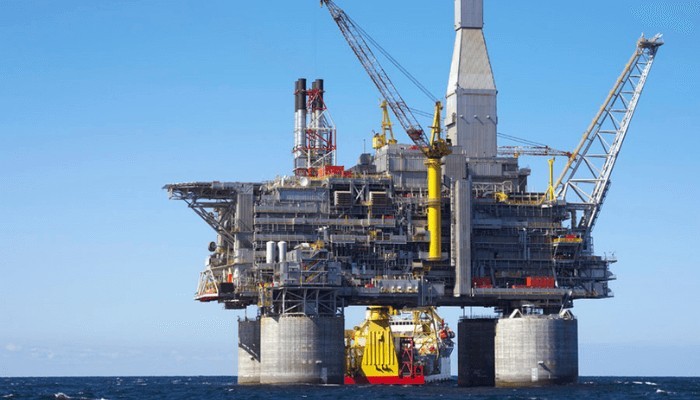
For years, the bureaucratic lag in Nigeria’s oil regulatory environment has been a quiet tax on the country’s revenue. Permits that should take days took weeks. Wells that could be producing sat idle. Now, the Nigerian Upstream Petroleum Regulatory Commission (NUPRC) says it is changing that and the timing could not be more consequential.
The NUPRC has confirmed it is accelerating procedures and cutting down timelines for issuing permits, including those for reactivating dormant oil wells.
EDITOR’S PICKS
According to a Bloomberg report, the commission is now granting some permits within hours of application, a dramatic shift from a process that previously took between two and six weeks. The regulator has also fast-tracked approvals for evacuations and barges at production facilities and export terminals. The move, officials say, is designed to help Nigeria capitalise on elevated global energy prices at a moment when oil is trading near $100 a barrel.
A Window of Opportunity in a Familiar Season
The strategic logic is clear. When oil prices surge, every barrel produced above the country’s existing output translates directly into foreign exchange earnings, government revenue, and, in theory, fiscal headroom.
Nigeria has been here before: in 2022, crude spiked to as high as $130 a barrel following Russia’s invasion of Ukraine, yet the country averaged only 1.34 million barrels per day that year, far below its OPEC quota and well short of the 2 million barrels-per-day peak it once regularly hit. It watched the windfall largely from the sidelines.
The situation today carries echoes of that missed opportunity. Nigeria’s production fell to 1.31 million barrels per day in February 2026, the lowest level in 17 months, largely due to maintenance work at a Shell-operated facility producing 225,000 barrels a day. Output remains stuck well below its potential ceiling. With buyers increasingly turning away from Middle Eastern suppliers amid geopolitical tensions, African producers like Nigeria and Angola are seeing fresh demand, but only those who can supply will benefit.
Dormant wells represent a faster route to production than drilling new ones. Restoring an idle well is more cost-effective and less time-intensive; crude from a reactivated well can reach the surface in approximately four weeks.
New drilling, by contrast, can take years of planning before a single barrel is produced. The NUPRC reportedly approved 500 permits in 2024 to reopen old wells, including for Heirs Energy and Seplat Energy, signalling that the policy direction predates the current price spike, but is now being deliberately accelerated.
The Revenue Arithmetic
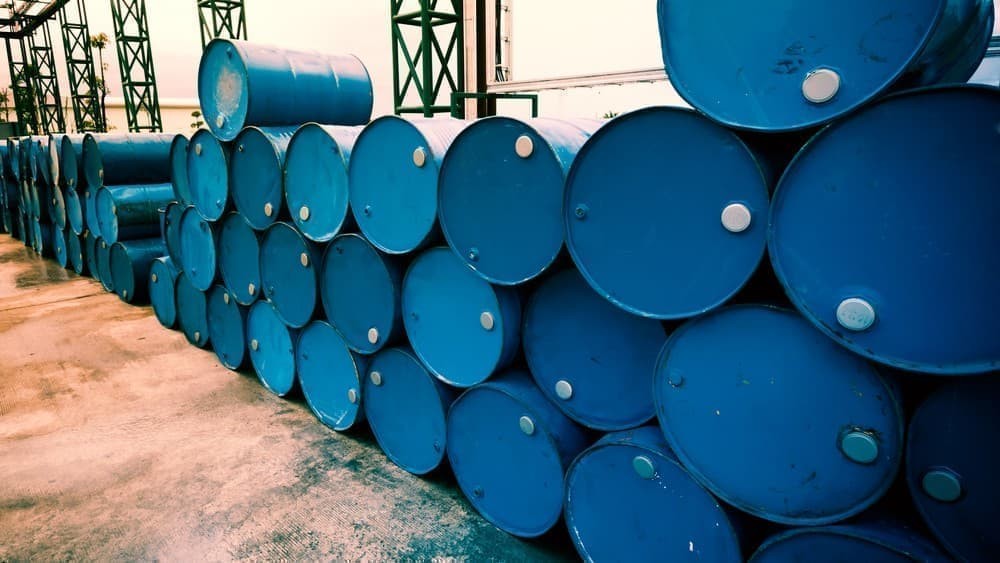
The fiscal implications of even a modest production increase are significant. At $100 per barrel, an additional 100,000 barrels per day — roughly the scale of recovery that reactivating a meaningful number of dormant wells could deliver — translates to $10 million in daily gross oil revenue, or approximately $3.65 billion annually.
For a country running a strained budget and managing an expensive debt servicing profile, that increment matters. It would also provide the federal government with stronger naira support via NNPC remittances, and shore up the external reserves that the Central Bank needs to maintain exchange rate stability.
There is also a legislative dimension to the urgency. Minister of State for Petroleum Resources Heineken Lokpobiri announced in April that the federal government plans to commence implementing the drill-or-drop provisions of the Petroleum Industry Act.
Under these provisions, companies holding oil block licences are required to actively develop them or relinquish them. The NUPRC’s streamlined permit process complements this push, lowering the transaction cost for operators who want to comply with the PIA’s development mandates, while signalling to recalcitrant licence holders that the regulatory environment is shifting.
Structural Caution Behind the Optimism
Yet there are reasons to temper the enthusiasm. Nigeria’s oil production challenges have never been solely, or even primarily, bureaucratic.
Crude theft and pipeline vandalism remain among the most devastating constraints on output, and regulatory speed cannot resolve sabotage. A well reactivated in one quarter can be knocked offline the next by a pipeline breach or an illegal bunkering operation.
There is also the question of financial capacity. Many of the operators leading the charge on dormant well reactivation are indigenous firms working marginal fields. Unlike the international oil companies, they may lack the capital buffers to move quickly even with permits in hand within hours. The NUPRC’s reforms address one bottleneck; the ecosystem of banks, equipment suppliers, and technical contractors must also function for production to actually flow.
FURTHER READING
What the accelerated timeline represents, ultimately, is institutional seriousness at the right moment; necessary, but not sufficient. If Nigeria cannot match regulatory efficiency with progress on security and operator financing, it risks repeating the pattern of 2022: high prices on the global market, limited barrels to sell.
Philip Ibitoye is a Special Correspondent with EKO HOT BLOG. Click here to find daily analysis and critical insight on trending issues in Lagos and other parts of Nigeria.
Click to watch the video of the week below: