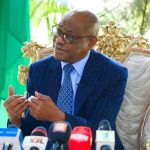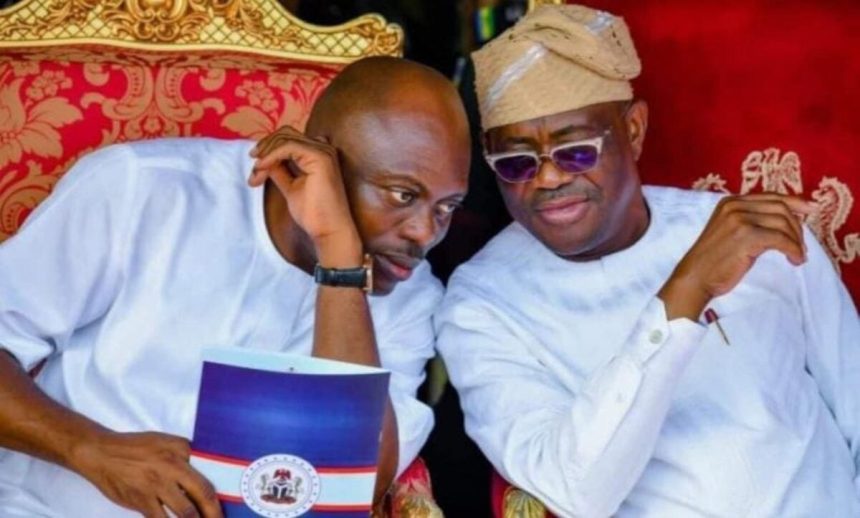
On Wednesday night, Rivers State Governor Siminalayi Fubara signed a statement withdrawing from the APC governorship primary scheduled for Thursday.
He spoke of sacrifice, peace and the need to put the state above personal ambition. “Not everything a hunter sees in the forest is spoken of in the marketplace,” he said, hinting at pressures he could not name publicly.
EDITOR’S PICKS
The withdrawal was the final act in a political drama that had been playing out since 2023 — and it was Nyesom Wike, the FCT Minister and Fubara’s estranged godfather, who scripted the ending.
By the time Fubara pulled out, the result was already inevitable. The APC’s screening committee had disqualified all 32 aspirants aligned with his camp from the State House of Assembly primaries, while clearing Wike loyalists across the board. Serving House of Representatives members who backed Fubara, including Awaji Abiante and Boma Goodhead, were disqualified.
Amaewhule, the speaker who spent two years trying to impeach Fubara, was cleared. Fubara appeared visibly downcast after his own screening and declined to speak to journalists. The field for the governorship primary was subsequently left to two of Wike’s allies: Kingsley Chinda and George-Kelly.
EKO HOT BLOG explores the lessons from the breakdown of the relationship between godfather and godson.
Structure beats sentiment
The first lesson from this saga is one Nigerian politics teaches repeatedly but few politicians absorb in time: controlling party structures is more decisive than winning public sympathy.
Fubara was supposedly popular. He had grassroots support and the legitimacy of a sitting governor. None of it mattered when Wike’s grip on the APC’s internal machinery determined who got screened and who did not.
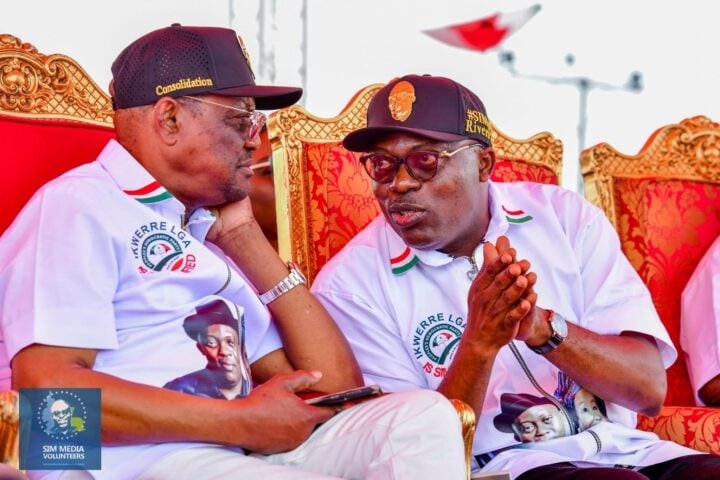
Wike, who is technically not even an APC member, wielded more influence inside the party than the governor who had formally defected to it in December 2025. He maintained relationships with the APC national leadership, kept his allies embedded in the state Assembly, and ensured that by the time primaries came, the outcome was already decided before any vote was cast.
The trap of defection
Fubara’s decision to leave the PDP for the APC was meant to outmanoeuvre Wike and secure Tinubu’s backing for a second term. It backfired. As one analysis put it, the move did not help him escape the conflict, it simply transplanted the war into new territory, where Wike’s network was equally entrenched.
This is the second lesson: switching parties without first securing the internal architecture of the destination party is not a strategy; it is a gamble.
Fubara arrived in the APC as a high-profile recruit but found that profile counted for little against a man who had been cultivating relationships within that party for years.
The limits of federal intervention
President Tinubu intervened twice to broker peace between the two men, and twice the arrangements collapsed.
In March 2025, he went further and declared a state of emergency, suspending Fubara, his deputy and all lawmakers for six months. Fubara was reinstated after negotiations that reportedly included conditions around working with the Wike-aligned Assembly.
But the structural conflict was never resolved, it was merely paused.
This points to a third lesson: mediation that does not address the underlying power imbalance only delays the inevitable. Fubara returned from suspension to find Wike’s influence had not diminished.
What Wike understood
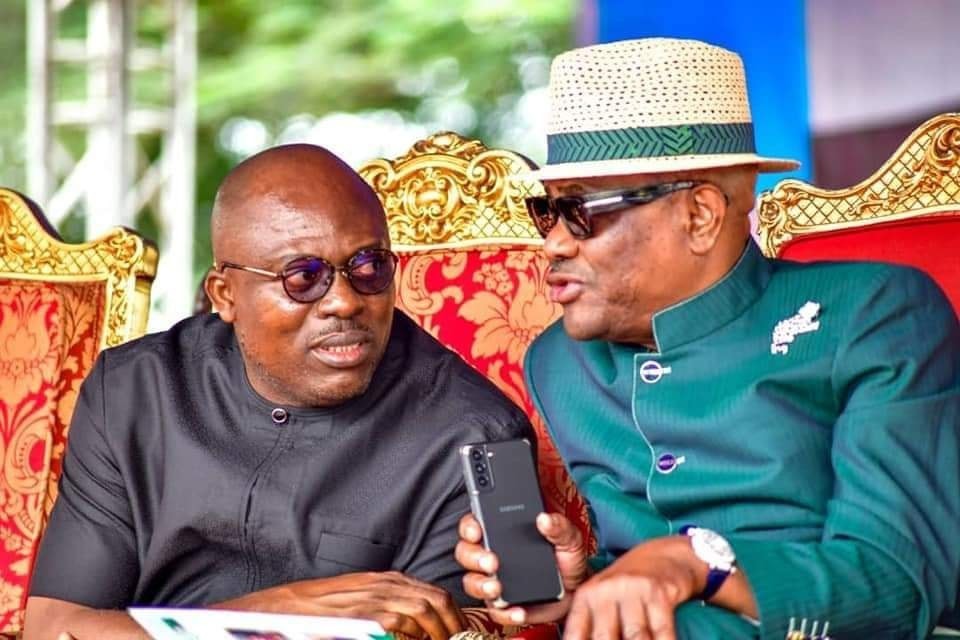
More than anything, the Rivers crisis shows the difference between holding office and holding power. Fubara had the governorship. Wike had the legislature, the party apparatus, and the president’s ear. In Nigerian politics, the latter combination routinely wins.
FURTHER READING
Fubara will serve out his term. But the 2027 governorship will almost certainly go to a candidate of Wike’s choosing. The godfather, it turns out, had never stopped being in charge.
Philip Ibitoye is a Special Correspondent with EKO HOT BLOG. Click here to find daily analysis and critical insight on trending issues in Lagos and other parts of Nigeria.
Click to watch the video of the week below: