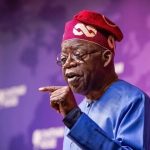
- Odumodublvck rejects stream farm accusations
- Says talent and audience connection matter more
- Calls out artists for insecurity and deflection
Nigerian rapper Odumodublvck has fired back at artists accusing their colleagues of using streaming farms, saying such claims are simply excuses for weak performance and lack of fan support.
According to Eko Hot Blog, popular Nigerian hip-hop artist Odumodublvck has responded strongly to claims by some of his colleagues that the Nigerian music industry is being flooded with fake streams from so-called “streaming farms.” He described these accusations as mostly baseless, arguing that they serve as distractions from the real issue the quality of the music and the strength of the artist’s fanbase.
EDITOR’S PICK:
- Thelma Opens Up: Honoring Her Mother’s Legacy After a Birth Shadowed by Loss
- BBNaija 10: Jason Jae, Victory Clash Over Chicken
- Tiana, Moses’ Love Story Begins at a Party, Ends in Paris Proposal
In a series of posts shared on his social media page, Odumodublvck, born Tochukwu Ojogwu, dismissed the streaming farm narrative as a “small pikin” excuse, implying that it reflects immaturity and insecurity among artists who are struggling to connect with listeners organically.
“No matter how much a song is stream farmed, if your song is good and the people love it, it will show,” he wrote, insisting that genuine talent and audience engagement cannot be replaced with artificial numbers.
His comments come amid growing debate within the industry, sparked by remarks from artists like Blaqbonez and Magixx, who argue that the widespread use of streaming farms is damaging the integrity of the charts and making it harder for authentic voices to rise. While some industry insiders have called for transparency and reform, others like Odumodublvck believe that the problem is overblown.

He added that inflated streaming numbers often don’t reflect real-life success, pointing out that artists with massive online plays still struggle to sell out shows or generate fan loyalty. “Farming doesn’t translate to real-world support,” he noted.
This isn’t the first time the rapper has spoken out on the issue. In the past, he acknowledged that streaming farms exist but downplayed their impact, saying that only true popularity brings bookings, fan connection, and longevity.
As the conversation continues to divide artists and fans, one thing is clear the industry is grappling with how to define success in a digital era dominated by algorithms, charts, and streams.
FURTHER READING: