- A prominent coalition of opposition political leaders and stakeholders under the G-100 platform has announced an Abuja summit set for August 18, 2026, aimed at forging a united political front ahead of the 2027 general elections.
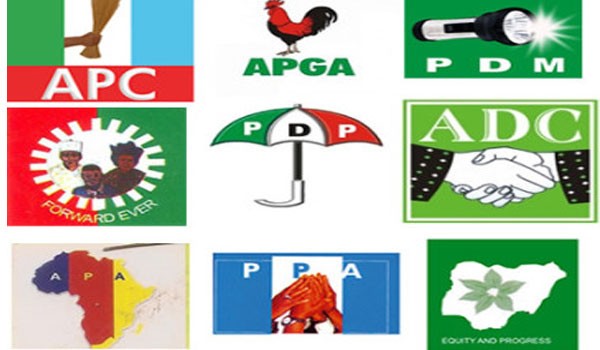
- The upcoming summit follows a series of behind-the-scenes consultations between the G-100 group and leaders from six major opposition parties, including the Peoples Democratic Party (PDP), African Democratic Congress (ADC), Social Democratic Party (SDP), Peoples Redemption Party (PRP), Allied Peoples Movement (APM), and National Democratic Congress (NDC).
- Grounded in the principles of the earlier Ibadan Declaration, the G-100 framework seeks to facilitate dialogue, build mutual trust, and encourage political leaders to make personal and party sacrifices to field a single, credible presidential candidate against the ruling All Progressives Congress (APC).
A coalition of opposition political leaders and political stakeholders under the G-100 platform has initiated consultations aimed at uniting Nigeria’s major opposition political parties into a single, cohesive electoral bloc ahead of the 2027 general elections.
Eko Hot Blog reports that in a statement released on Monday and signed by political analyst and former APC National Vice Chairman (North-West) Salihu Lukman on behalf of the G-100 group, the platform confirmed that it has scheduled a national unity summit in Abuja for August 18, 2026.
EDITOR’S PICK
- Tinubu Approves Army Expansion, Recruitment of 28,000 Personnel
- Aregbesola Claims Record as First Nigerian Governor to Serve Eight Years Without Owning a House
- Ikosi-Ejinrin LCDA Commissions Fully Equipped NSCDC Divisional Headquarters, Donates Patrol Vehicle and Motorcycle to Boost Security
The announcement follows extensive strategic meetings held across party lines involving national chairmen, presidential aspirants, running mates, and key decision-makers from six major opposition platforms: the Peoples Democratic Party (PDP), African Democratic Congress (ADC), Social Democratic Party (SDP), Peoples Redemption Party (PRP), Allied Peoples Movement (APM), and National Democratic Congress (NDC).
According to the group, the strategic dialogue was deliberately conducted away from media publicity to allow political actors to address sensitive operational differences, power-sharing expectations, and candidate selection frameworks without external pressure or premature public scrutiny.
The G-100 emphasized that a consensus had emerged among the consulted party leaderships regarding the necessity of presenting a unified political front.
The statement highlighted that navigating a successful coalition will require political figures to prioritize national interest, democratic accountability, and public welfare over individual political ambitions.
The upcoming August 18 summit will draw key principles from the Ibadan Declaration, which called on opposition stakeholders to construct a structured mechanism for selecting a single consensus presidential candidate.
The G-100 clarified that its role remains purely facilitative, aiming to build confidence and help political parties negotiate the complex parameters of accommodation, mutual sacrifice, and collective action ahead of the 2027 electoral cycle.
As political parties upload candidate information to the Independent National Electoral Commission (INEC) portal, the August 18 summit is expected to serve as an indicator of whether Nigeria’s opposition can transform political dialogue into a binding alliance.
FURTHER READING