- He stressed the need for detailed security assessments ahead of the elections
- insecurity in several parts of the country poses a major challenge to the successful conduct of the 2027 elections
- He warned against using insecurity as a possible excuse to manipulate or delay the elections
Fresh concerns have emerged over the credibility of Nigeria’s 2027 general elections after the Independent National Electoral Commission warned that worsening insecurity across the country could threaten the conduct of peaceful and credible polls.
Eko Hot Blog reports that opposition parties have rejected any suggestion of deploying soldiers for election duties, insisting that civilian security agencies should remain responsible for protecting the process.
EDITOR’S PICK
- Benue Mortician Arrested for Using Corpse Part as Walking Stick
- Baba Yusuf: Bandits May Reach National Assembly
- PDP Asks INEC To Withdraw Recognition Of Anyanwu As National Secretary
The concerns were raised on Wednesday during a meeting in Abuja between INEC Chairman, Prof. Joash Amupitan (SAN), and Inspector-General of Police, Tunji Disu.
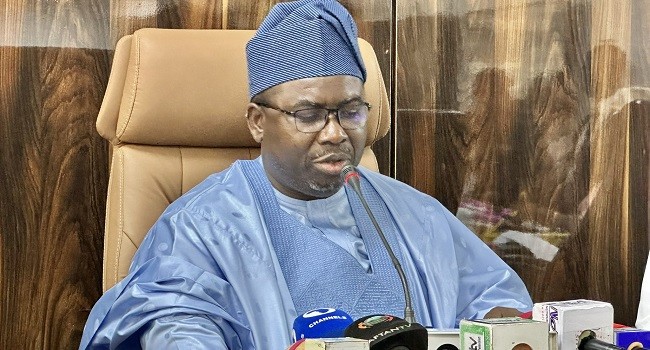
Amupitan cautioned that violence, voter intimidation, vote trading, and attacks on electoral processes continue to endanger Nigeria’s democracy. He stressed the need for detailed security assessments ahead of the elections to identify flashpoints and prevent disruptions.
According to him, insecurity in several parts of the country poses a major challenge to the successful conduct of the 2027 elections.
He also highlighted the need to protect electoral officials, voters, and election materials, while ensuring that internally displaced persons and people living with disabilities are not denied their voting rights.
The INEC chairman noted that preparations were already underway for the presidential election scheduled for January 16, 2027, and governorship and state assembly elections fixed for February 6, 2027.
He added that ongoing party congresses, primary elections, and off-cycle polls in Ekiti and Osun states also require careful security planning.
In response, the Inspector-General of Police assured Nigerians that the police had begun intelligence gathering and nationwide threat assessments ahead of the elections.
Disu said the police would focus on preventive policing, collaboration with other agencies, and strict enforcement of electoral laws.
He warned that anyone involved in ballot snatching, vote buying, voter intimidation, or attacks on election officials would be arrested and prosecuted.
Despite the assurances, several opposition figures opposed the idea of military deployment during elections.
National Coordinator of the Obidient Movement, Yunusa Tanko, argued that election security should remain the responsibility of the police and other civil agencies rather than the military.
He warned against using insecurity as a possible excuse to manipulate or delay the elections, recalling similar concerns raised during previous administrations.
Labour Party spokesman, Ken Asogwa, also criticised the idea of soldiers at polling units, describing elections as civic activities that should not be militarised.
According to him, agencies such as the police and civil defence corps are better suited for election duties, while soldiers should focus on defending the country’s borders and fighting external threats.
The Tanimu Turaki-led faction of the Peoples Democratic Party also expressed reservations about military involvement in elections, insisting that the bigger concern should be INEC’s neutrality and credibility.
Its spokesman, Ini Ememobong, argued that public trust in the electoral body would play a more important role in ensuring credible elections than the deployment of troops.
Similarly, the New Nigeria People’s Party called on the Federal Government to urgently improve the country’s security situation before the elections.
The party’s spokesman, Ladipo Johnson, said the government still had enough time to address insecurity but warned against allowing military personnel to dominate polling units.
Meanwhile, insecurity is already affecting political activities. The Social Democratic Party announced the relocation of its May 9 national convention from Abuja to Bauchi State due to security and logistical concerns.
SDP National Chairman, Prof. Sadiq Gombe, said the party had made extensive arrangements to ensure a smooth and credible convention, including the establishment of screening, electoral, and convention committees to oversee the process.
FURTHER READING