- Nigeria’s quarterly expenditure on imported Premium Motor Spirit (PMS) dropped by an unprecedented 96.15 percent in the first quarter of 2026, dropping to just ₦87.401 billion.
- The dramatic market shift is driven primarily by the high-volume output from the Dangote Petroleum Refinery in Lekki, which now commands over 92 percent of the domestic fuel supply.
- For the first time in modern economic history, petrol was completely absent from the National Bureau of Statistics’ official list of Nigeria’s top traded commodities, significantly altering the country’s import profile.
Nigeria’s spending on the importation of Premium Motor Spirit (PMS), popularly known as petrol, plunged by over 96 percent in the first quarter of 2026, marking a dramatic structural shift in the country’s downstream fuel landscape.
Eko Hot Blog reports that according to the latest foreign trade statistics released on Monday, June 8, 2026, by the National Bureau of Statistics (NBS), the country spent a mere ₦87.401 billion on petrol imports between January and March 2026.
EDITOR’S PICK
- Hamzat Appoints Obanikoro as Campaign DG Ahead of 2027 Lagos Governorship Race
- Tinubu’s State Police Plan Gains Momentum as Amendment Looms
- Residents Raise Alarm After Two Bodies Found in Lagos Waterway
This represents a staggering reduction of ₦2.184 trillion compared to the ₦2.271 trillion spent during the corresponding quarter of 2025.
The development is highly significant as petrol, which historically topped Nigeria’s import bill for decades, completely disappeared from the list of the country’s top traded commodities during the review period, failing to even rank among the top 19 products traded globally or regionally.
The historic decline in fuel imports represents the lowest quarterly expenditure recorded since at least 2022.
Comparative historical data analyzed by financial correspondents indicates that Nigeria spent ₦2.694 trillion on petrol imports in Q1 2022, which dipped slightly to ₦2.033 trillion in Q1 2023, before surging aggressively to ₦3.813 trillion in Q1 2024.
By Q1 2025, the bill sat at ₦2.271 trillion before experiencing its massive 2026 crash. Effectively, for every ₦100 spent on foreign petrol in early 2025, only about ₦4 was utilized during the same timeframe this year.
Overall, the total value of Nigeria’s imports stood at ₦13,619.33 billion in the first quarter of 2026, reflecting an 18.17 percent decrease from the corresponding quarter of 2025, with China remaining the country’s leading import partner.
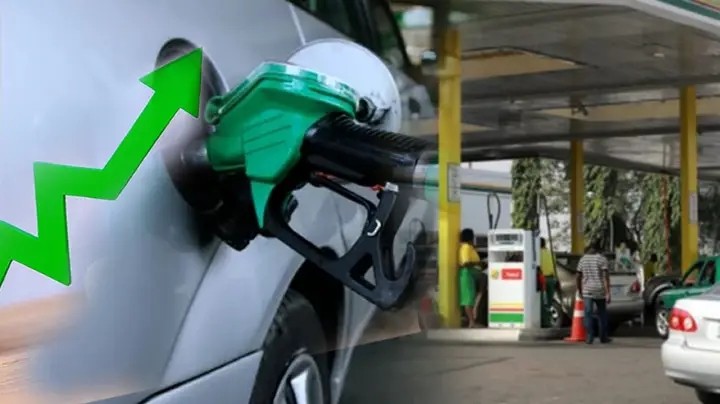
Energy experts state that this sharp reduction directly reflects the massive operational ramp-up of domestic refining capacity, spearheaded by the 650,000 barrels-per-day Dangote Petroleum Refinery in Lekki, Lagos.
Data from the Nigerian Midstream and Downstream Petroleum Regulatory Authority (NMDPRA) confirmed that the mega-refinery has maintained an ironclad grip on the domestic market, supplying an average of 40.7 million liters of petrol daily to local distributors by April, which accounts for a dominant 92 percent market share.
This massive surge in local production has systematically locked out foreign suppliers, enabling the federal government to retain immense capital within the domestic ecosystem.
Analysts believe that if local production remains consistent, this transformation will permanently strengthen Nigeria’s trade balance, alleviate severe pressure on the naira, and completely redefine the nation’s long-term foreign exchange requirements.