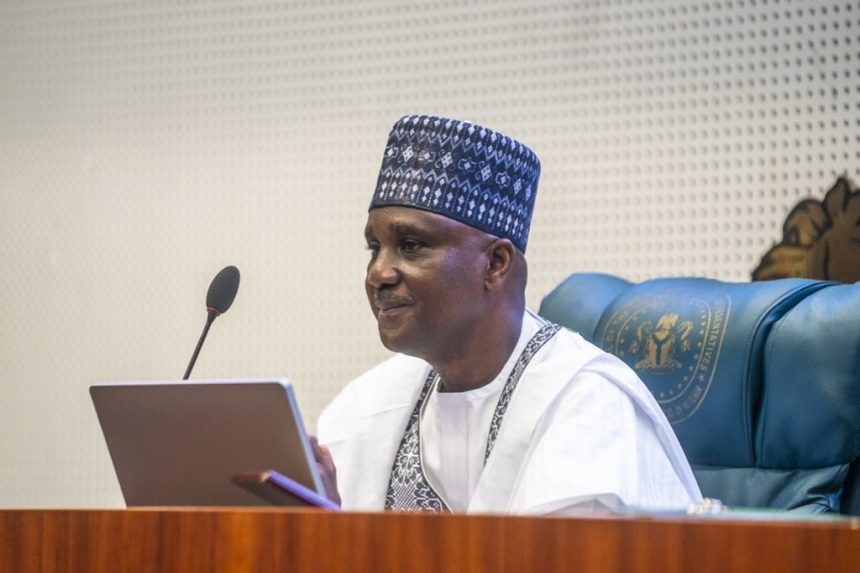
- He explained that relying entirely on real time electronic transmission would exclude many communities due to poor internet access
- He noted that even in major cities such as Abuja, stable internet service cannot always be guaranteed
- He argued that such a move would not only disenfranchise voters but could also lead to a significant drop in turnout
The Speaker of the House of Representatives, Tajudeen Abbas, has defended the National Assembly’s decision to adopt a hybrid system for transmitting election results, saying the move is designed to protect voters and boost participation ahead of the 2027 general elections.
According to Abbas, Eko Hot Blog gathered that the amended Electoral Act allows for both electronic and manual transmission of results in order to reflect Nigeria’s current infrastructure realities.
EDITOR’S PICK
- Nigeria Awaits FIFA Verdict On DR Congo Player Eligibility Dispute
- Trump Says Diplomacy Is “Much Easier” Now After Decapitating Strikes on Iran
- Senate Targets 2026 for State Police Amendment
He explained that relying entirely on real time electronic transmission would exclude many communities due to poor internet access and unstable electricity supply.
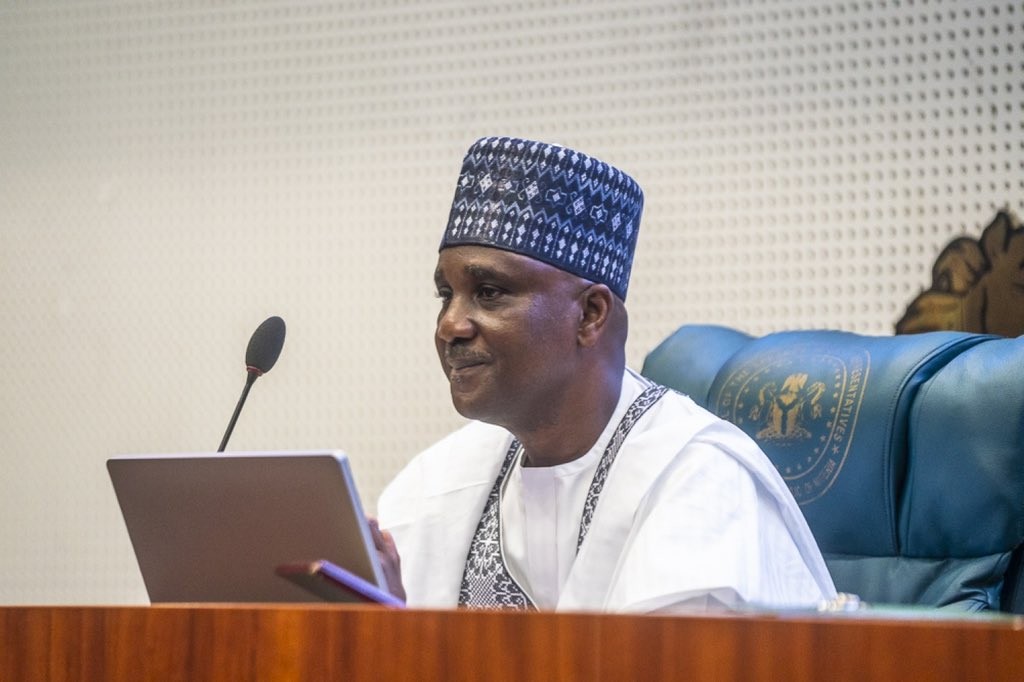
The Speaker made the remarks on Sunday while receiving the Spanish Ambassador to Nigeria, Felix Costales, at the National Assembly complex in Abuja. He noted that even in major cities such as Abuja, stable internet service cannot always be guaranteed, making a fully digital system risky.
Citing data from the Nigerian Communications Commission, Abbas said nearly 40 percent of the country remains underserved in terms of internet coverage. He warned that adopting only electronic transmission could prevent large segments of the population from effectively participating in elections.
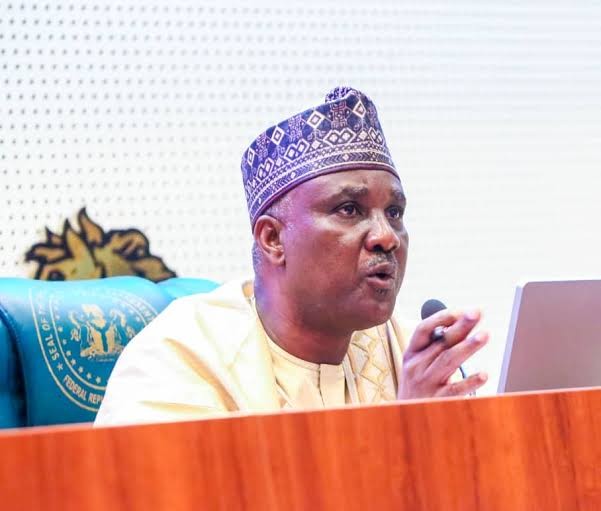
He argued that such a move would not only disenfranchise voters but could also lead to a significant drop in turnout.
To avoid that outcome, lawmakers opted for a blended approach that permits electronic transmission where infrastructure supports it and manual processes where digital systems are unreliable.
Abbas also addressed critics of the decision, saying many are aware of the country’s connectivity and power challenges.
He pointed out that internet services depend heavily on electricity, and Nigeria’s ongoing energy issues make it difficult to guarantee uninterrupted connectivity nationwide on election day.
Describing democracy as a continuous process of improvement, Abbas expressed confidence that Nigeria’s electoral system would evolve over time. He called for continued technical cooperation and knowledge sharing between Nigeria and Spain, particularly at the parliamentary level.
In response, Ambassador Costales said his visit aimed to strengthen legislative ties between both countries.
He reaffirmed Spain’s willingness to support Nigeria’s democratic development and acknowledged that while challenges exist, collaboration can help address them.
The amended Electoral Act, recently signed into law by President Bola Tinubu, provides legal backing for the dual method of transmitting election results based on available infrastructure.
While supporters describe the hybrid arrangement as practical and realistic, critics maintain that its effectiveness will depend on transparent implementation and strong monitoring mechanisms.
FURTHER READING