- Riyadh’s reaction followed an apparent drone strike targeting the massive Shaybah oil field in Saudi Arabia
- The statement added that Iran’s actions risk worsening tensions and could seriously damage relations in the future
- The US State Department has since ordered non-essential personnel and their families to leave Saudi Arabia
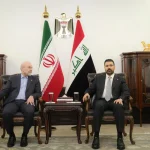
Saudi Arabia has warned that Iran would be the “biggest loser” if it continues launching attacks on Arab countries, just hours after Tehran announced a new supreme leader.
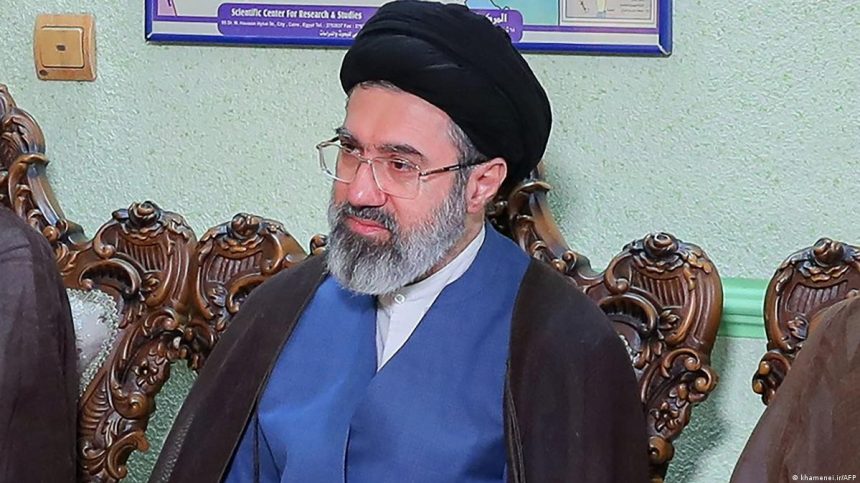
Eko Hot Blog gathered that the warning came after the United States criticised Iran’s decision to appoint Mojtaba Khamenei as the Islamic Republic’s new leader. US President Donald Trump described the move as “unacceptable”.
EDITOR’S PICK
- “Pay Her Transport Fare Too”, Pete Edochie Stirs Debate on Dating Expenses
- Epe Students Parliament Declares Executive Seats Vacant Over Inauguration Dispute
- Osimhen Warns Galatasaray Ahead of Liverpool Match
Riyadh’s reaction followed an apparent drone strike targeting the massive Shaybah oil field in Saudi Arabia. The attack occurred despite remarks by Iranian President Masoud Pezeshkian, who said on Saturday that Tehran had halted attacks against Gulf Arab nations.
In a statement, Saudi Arabia’s Foreign Ministry said Iran had not honoured that claim. According to the ministry, Tehran continued its aggressive actions despite the president’s announcement.
The statement added that Iran’s actions risk worsening tensions and could seriously damage relations in the future.
The US State Department has since ordered non-essential personnel and their families to leave Saudi Arabia. The move came after Washington confirmed that a US service member died from injuries suffered during an Iranian strike on the kingdom.
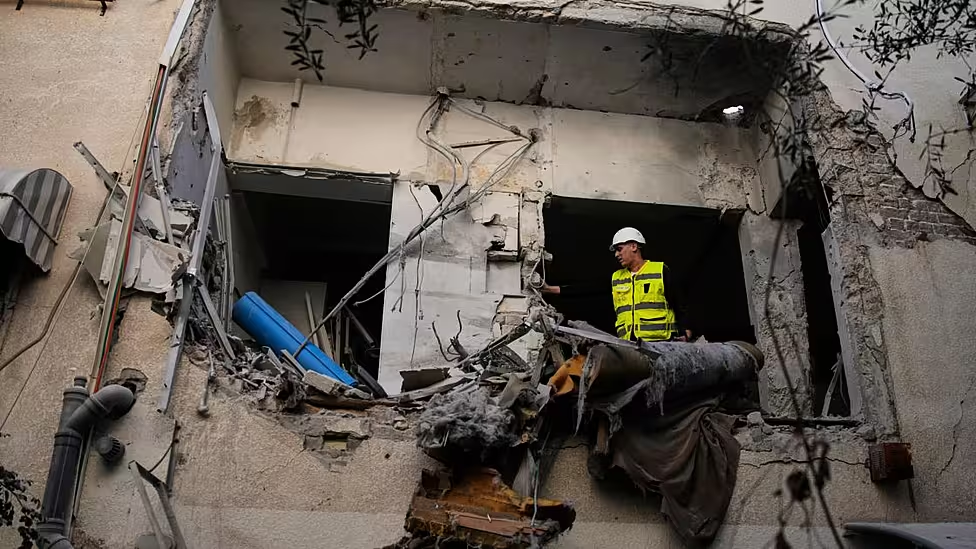
Saudi Civil Defence officials also reported casualties inside the country. A projectile that landed in a residential area in Al-Kharj governorate killed two foreign residents and injured 12 others, all Bangladeshi nationals. These are the first reported fatalities inside Saudi Arabia linked to the conflict.
Elsewhere in the Gulf, a drone strike hit a residential district on Sitra Island in Bahrain, injuring 32 civilians, including young children.
Authorities said the area is close to key energy infrastructure. Four people remain in critical condition, among them two boys aged seven and eight who suffered severe leg injuries and required surgery.
Air raid sirens were heard again in Bahrain on Monday morning as officials urged residents to move to safe locations.
In Iraq, air defence systems intercepted a drone approaching Victoria Base, a US-operated facility inside Baghdad International Airport, according to a security source.
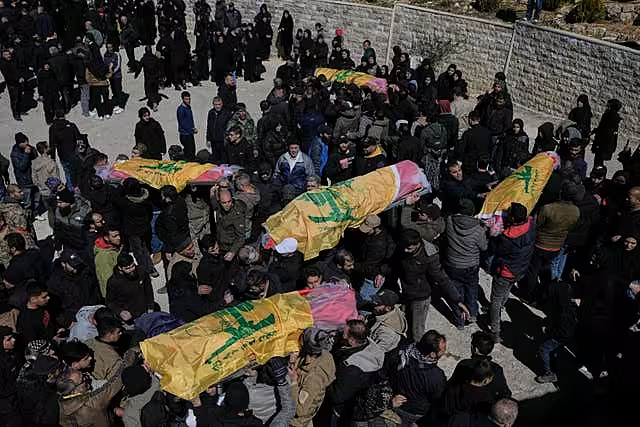
Meanwhile, Israel reported detecting an Iranian missile launch early Monday. Israeli forces also carried out airstrikes on Beirut targeting Hezbollah, while additional strikes were reported in central Iran.
Qatar’s Defence Ministry also confirmed that the country had faced a missile attack.
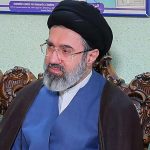
Iran’s announcement of Mojtaba Khamenei as the country’s new supreme leader came on the ninth day of the conflict. His father, Ali Khamenei, was killed earlier in the war during an Israeli strike.
Although Mojtaba Khamenei has never held elected office, he had long been considered a possible successor. His appointment followed deliberations by the Assembly of Experts, the clerical body responsible for selecting Iran’s supreme leader.
As the country’s highest authority, he will take command of Iran’s armed forces and the Islamic Revolutionary Guard Corps, and will also oversee the country’s nuclear programme, which includes stockpiles of highly enriched uranium.
The Revolutionary Guard quickly pledged support for the new leader, while Hezbollah shared his portrait on Telegram, referring to him as the leader of the “blessed Islamic revolution”.
President Trump, however, dismissed the new leader as inexperienced and insisted the appointment was unacceptable. He said he wanted someone who could bring stability and peace to Iran.
Speaking earlier, Trump suggested he wanted influence over Iran’s future leadership once the conflict ends, adding that any new ruler would struggle to remain in power without US approval.
The war has also affected global oil markets. Oil prices rose above 100 dollars per barrel for the first time in more than three years due to disruptions to production and shipping.
Trump said the temporary rise in prices was a small price to pay if it led to eliminating Iran’s nuclear threat and improving global security.
FURTHER READING