- Six Abducted Civil Servants Receive Automatic Promotion
- Victims spared exam after Kogi abduction ordeal
- FCSC to decentralise promotion tests, adopts CBT nationwide
The Federal Government has approved automatic promotion for six civil servants of the Ministry of Defence who were abducted in Kogi State while travelling from Lagos to Abuja to sit for their 2025 promotion examinations.
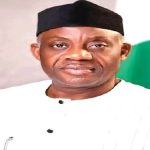
Eko Hot Blog reports that the Chairman of the Federal Civil Service Commission (FCSC), Tunji Olaopa, disclosed this in Abuja, describing the incident as unfortunate and noting that the decision was taken on compassionate grounds.
EDITOR’S PICK
- Daddy G.O Arrested Over Alleged Abuse of 16-Year-Old Girl
- Anti-Drug Drive Intensifies as Court Jails Female Convict in Edo
- Fire Destroys Property Worth Millions in Cross River Community
According to him, the promotion recognises the emotional and psychological impact the experience may have had on the affected officers.
He explained that the commission, in consultation with the Office of the Head of the Civil Service, approved the advancement of the six officers to their next grade level as education officers within the Ministry of Defence.
Olaopa, speaking on behalf of the Head of the Civil Service of the Federation, Esther Walson-Jack, as well as commissioners and the wider civil service community, also expressed solidarity with the victims.
To reduce the risk of similar incidents in the future, he said the commission plans to expand the use of technology in promotion exercises. This includes decentralising examinations so that candidates can take them closer to their locations instead of travelling long distances.

He made the remarks during a recognition dinner organised by the Office of the Head of the Civil Service of the Federation for newly promoted directors.
Olaopa highlighted recent reforms, noting that the 2025 Directorate Level Promotion Exercise marked a shift from traditional written exams to computer-based testing (CBT), which improved efficiency, transparency, and the speed of result processing.
He added that the new system reduced costs, manpower requirements, and time spent on the process, while also ensuring more reliable outcomes.
Despite these improvements, he cautioned that deeper structural challenges still exist within the civil service. He warned that technological reforms may not deliver optimal results if underlying administrative systems remain weak.
Olaopa also raised concerns about declining professional standards in some areas of the public service, including knowledge of regulations, administrative procedures, and communication skills.
He attributed part of the problem to prolonged recruitment gaps, which have affected workforce planning and contributed to stagnation in career progression for some officers.
However, he expressed optimism that ongoing reforms such as a comprehensive human resource audit and planned changes to performance evaluation systems would help strengthen institutional capacity.
He noted that the commission is working towards improving performance management frameworks and may introduce training-based assessments, drawing lessons from structured systems used in military institutions.
Congratulating the newly promoted directors, Olaopa encouraged them to embrace reform efforts and uphold professionalism, discipline, and commitment to public service.