- SERAP urged lawmakers to withdraw the bill
- The group said the proposal threatens online freedom
- It vowed to sue if the bill becomes law
The Socio-Economic Rights and Accountability Project (SERAP) has urged the National Assembly to withdraw the proposed Nigeria Data Protection (Amendment) Bill, 2026, arguing that it could be used to tighten government control over social media and online expression.
Eko Hot Blog gathered that the organisation also warned that it would challenge the legislation in court if it is passed in its current form or with similar provisions.
EDITOR’S PICK
- 175th Kayokayo Festival Grand Finale: Epe Celebrates 175 Years of Faith, Heritage, Unity and Prosperity
- Wale Raji Reaffirms Commitment at KayoKayo Finale
- India: Massive Garbage Heap Collapse Kills Nine Workers at Waste-to-Energy Plant.
Sponsored by Senator Ned Nwoko, the bill proposes that social media platforms, data controllers and data processors operating in Nigeria establish physical offices within the country. It further authorises the Nigeria Data Protection Commission to suspend or prohibit the operations of any platform that fails to comply within 30 days.
In a letter dated July 18, 2026, addressed to Senate President Godswill Akpabio and Speaker of the House of Representatives Tajudeen Abbas, SERAP argued that the proposal threatens constitutional rights and freedoms.
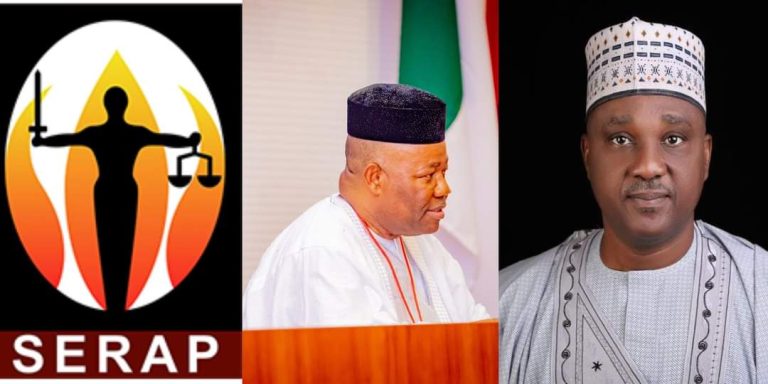
The letter, signed by the organisation’s Deputy Director, Kolawole Oluwadare, stated that compelling technology companies to maintain local offices could expose them to political pressure, make censorship easier and leave local employees vulnerable to intimidation.
SERAP said the bill would hand regulators broad powers capable of shutting down digital platforms and could undermine the rights of millions of Nigerians who rely on online services.
The organisation noted that the proposal mirrors previous attempts to regulate social media, which were widely criticised by the public, and expressed concern that the new bill revives those efforts under a different framework.
According to SERAP, the amendment would grant excessive authority to the Nigeria Data Protection Commission without adequate judicial oversight or safeguards for affected platforms.
It also criticised the absence of sufficient compliance timelines and legal protections before enforcement actions could be taken.
The rights group referenced the ECOWAS Court of Justice’s ruling against Nigeria’s suspension of Twitter, arguing that the proposed law could produce similar restrictions through indirect regulatory measures.
It maintained that while governments have the right to regulate digital platforms, such regulations must comply with constitutional provisions and international human rights obligations.
SERAP further warned that compulsory localisation requirements would raise operating costs for technology firms, startups, artificial intelligence developers, educational institutions and research organisations, potentially discouraging innovation and investment.
The organisation argued that the proposal conflicts with the objectives of the Nigeria Startup Act 2022 and the National Digital Economy Policy and Strategy, which seek to promote innovation and attract investment into the country’s technology sector.
It therefore called on lawmakers to reject the bill, insisting that it is inconsistent with Nigeria’s Constitution and the country’s commitments under regional and international human rights treaties.
FURTHER READING