- The wave of high-profile killings began after the assassination of Iran’s Supreme Leader, Ali Khamenei
- Pezeshkian expressed condolences to citizens and insisted that those killed would not be forgotten
- He had also been sanctioned by the United States over alleged cyber operations targeting Western interests
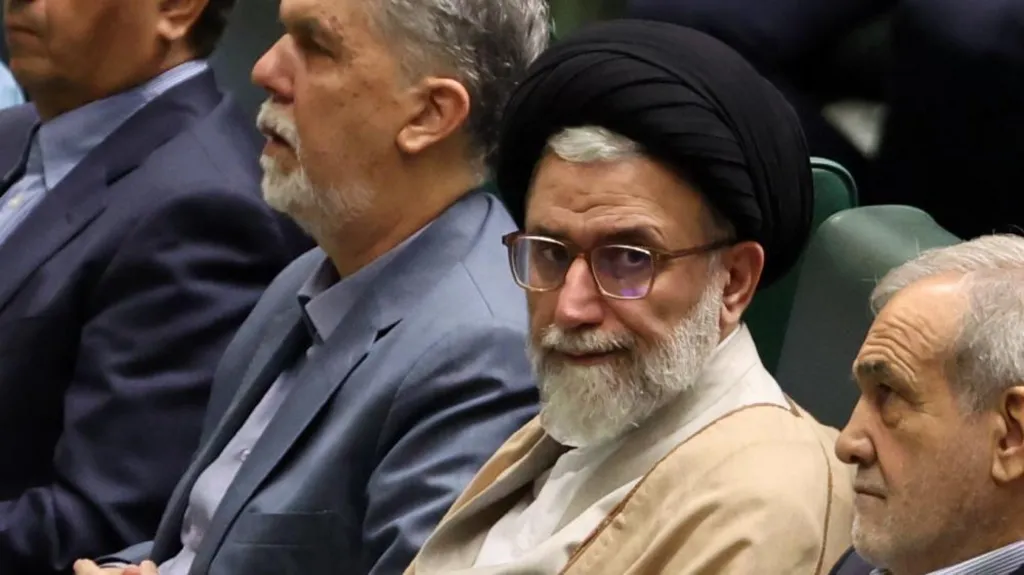
Masoud Pezeshkian has confirmed the death of Iran’s intelligence minister, Esmail Khatib, describing it as a “cowardly assassination” that has plunged the nation into mourning.
Eko Hot Blog reports that Khatib was reportedly killed in an airstrike on Tehran, with Israel Katz stating that Israeli forces carried out the operation.
EDITOR’S PICK
- Why Return of Lagos Monthly Sanitation Exercise is Long Overdue
- Four Killed as Truck Crashes Into Bus on Lekki–Epe Expressway
- Uzodimma: Tinubu Reforms Prevent Fuel Crisis
The incident comes amid escalating conflict, following earlier claims by Israel that it had also eliminated senior Iranian figures, including Ali Larijani and Gholamreza Soleimani.
The wave of high-profile killings began after the assassination of Iran’s Supreme Leader, Ali Khamenei, at the onset of the war in late February.
Since then, numerous senior officials and military commanders have reportedly been targeted in a broader effort to weaken Iran’s leadership structure.
In a message shared publicly, Pezeshkian expressed condolences to citizens and insisted that those killed would not be forgotten, adding that their mission would continue with even greater resolve.
Israel has defended its actions, with officials saying top Iranian figures linked to security and intelligence operations are legitimate targets. According to Israeli statements, Khatib played a central role in internal crackdowns and intelligence activities.
Khatib, who was appointed in 2021 under former president Ebrahim Raisi, held key positions within Iran’s intelligence system and maintained close ties to the country’s top leadership.
He had also been sanctioned by the United States over alleged cyber operations targeting Western interests.
Meanwhile, large crowds gathered in Tehran for the funerals of several senior figures killed in recent strikes, reflecting the scale of losses suffered by Iran’s leadership.
Casualty figures from the conflict continue to rise. Iranian authorities report that over 1,300 people have died in Israeli and US attacks, including many civilians, while independent monitors suggest even higher numbers, with both military personnel and non-combatants among the dead.
Iran has responded with retaliatory strikes across the region. Attacks and air defence activity have been reported in multiple countries, including Israel and parts of the Gulf, underscoring the widening impact of the conflict.
The war has also disrupted global energy markets, particularly due to tensions around the Strait of Hormuz, a critical route for international oil shipments, driving up prices and raising concerns worldwide.
FURTHER READING