- Tinubu Unveils Plan to Turn Flood Crisis into Economic Opportunity
- Says Flood Management Key to Food Security, Economic Growth
- Tinubu said effective management of waterways could reduce reliance on oil and build a more resilient economy
President Bola Ahmed Tinubu has outlined plans to turn Nigeria’s recurring flood challenges into a source of economic growth, signalling a shift from oil dependence to a water-driven economy, Eko Hot Blog reports.
Speaking at the 2026 Annual Flood Outlook presentation by the Nigeria Hydrological Services Agency in Abuja, the president, represented by the Minister of Environment, Balarabe Abbas Lawal, said flood management is now a key pillar of national development and food security.
EDITOR’S PICK
- Viral Video Sparks Action as Lagos Rescues Neglected Child
- Big Head, Bigger Pressure: Inside Amupitan’s INEC Assignment
- NIMR Crisis: FG Tenure Policy Behind Directors’ Exit, Ongoing Strike
Tinubu described the initiative as a major milestone, linking it to his administration’s broader reform agenda, particularly efforts to boost agricultural productivity through better water resource management.
He noted that Nigeria has faced devastating floods since 2012, adding that the government is tackling the crisis through targeted interventions, especially in high-risk states such as Adamawa State, Benue State, Kogi State, Bayelsa State, and Rivers State.
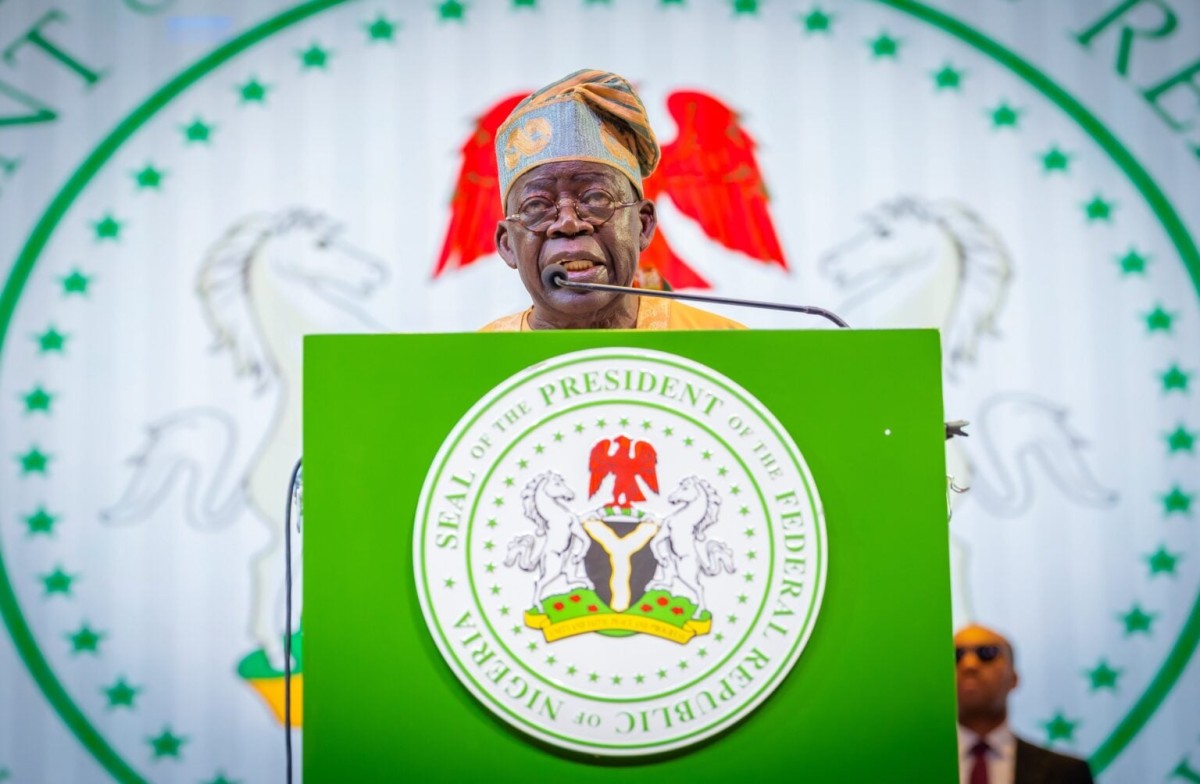
According to him, recent improvements in agricultural yields reflect the impact of better flood control and water management strategies.
The president identified the 2024 flood disaster in Maiduguri as a turning point, prompting a shift from reactive responses to proactive planning.
This shift has led to the adoption of “anticipatory action”, an early-warning and coordinated response system driven by the Office of the Vice President in collaboration with security agencies and development partners.
Tinubu explained that the Annual Flood Outlook issued by NIHSA serves as a vital tool for early preparedness and response across all 36 states, the Federal Capital Territory, and the 774 local government areas.
He also urged key ministries, including Water Resources and Marine and Blue Economy, to develop frameworks that will harness Nigeria’s vast water resources for economic diversification.
Emphasising the broader vision, Tinubu said effective management of waterways could reduce reliance on oil and build a more resilient economy.
He called on citizens and institutions to support flood preparedness efforts and environmental protection, stressing the need for collective action.
“Let us join hands to make Nigeria a flood-safe nation,” he said.