- Tinubu’s Education Agenda Driving Students’ Loan Reform – Gbajabiamila
- Says Education Central to Tinubu’s National Development Plan
- Described education as a matter of national survival for Nigeria
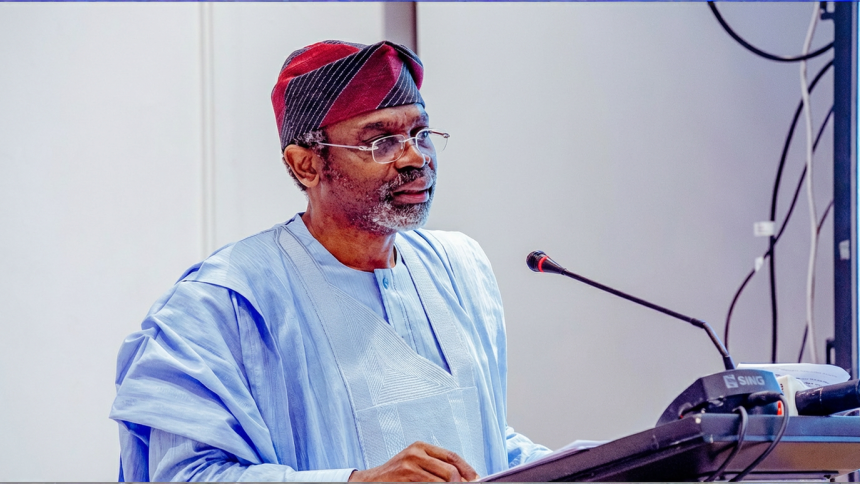
President Bola Tinubu’s commitment to expanding access to tertiary education was on the spotlight yesterday as his Chief of Staff, Femi Gbajabiamila, said the Students’ Loans law reflects the administration’s resolve to remove financial barriers to higher learning.
Speaking at the 2026 International Day for Education Conference held at the National Assembly Complex, Gbajabiamila said the swift presidential assent granted to the Students’ Loans Bill within the first three months of Tinubu’s administration underscores the priority placed on education under the Renewed Hope Agenda.
EDITOR’S PICK
- Nigeria Earned N65.85bn from Wood Energy Exports in Q1 2025 – NBS
- Insecurity Rooted in Poverty, Obasa Tells Political Leaders
- Eleko Residents Protest Planned 150m Setback on Lagos-Calabar Highway
The law paved the way for the establishment of the Nigerian Education Loan Fund (NELFUND), aimed at ensuring that no qualified Nigerian is denied tertiary education because of financial hardship.
Gbajabiamila, who sponsored the bill during his tenure as Speaker of the 9th House of Representatives, noted that admission and academic progression should be based on merit and potential rather than privilege.
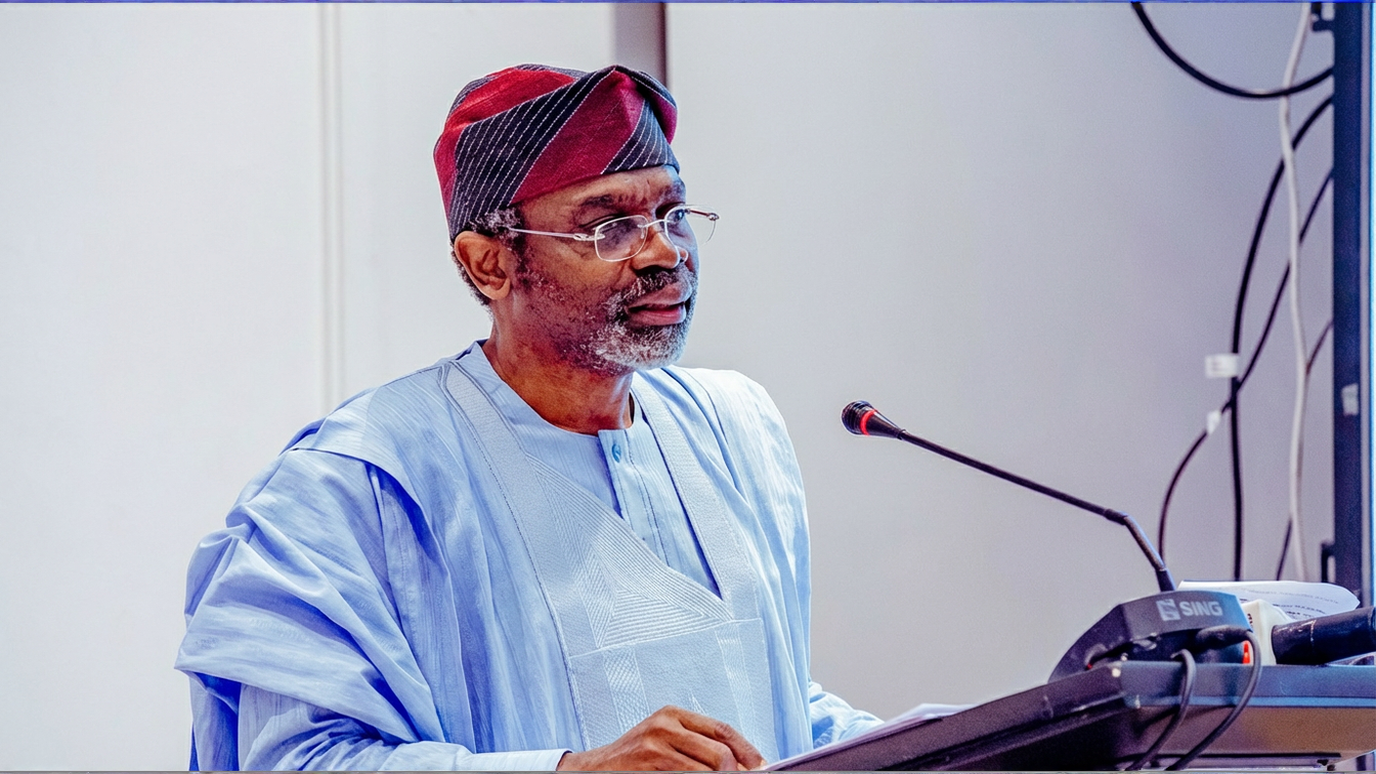
He described education as a matter of national survival for Nigeria, stressing that no country can compete globally without sustained investment in learning.
Commending the Speaker of the House of Representatives, Tajudeen Abbas, for convening the conference, Gbajabiamila praised the 10th House for strengthening oversight on tertiary education funding, student welfare and accountability reforms.
“Parliament is not merely a law-making institution; it is a strategic partner in shaping Nigeria’s future,” he said, assuring lawmakers of continued collaboration in advancing education-focused reforms.
Earlier, the Special Adviser to the Speaker on International Cooperation and Educational Development, Abisoye Da Rocha-Afodu, highlighted that Nigeria has over 20 million out-of-school children and faces challenges including poor infrastructure, weak teacher welfare, outdated curricula and limited access to technology.
She said the conference aimed to generate practical and sustainable solutions through collaboration among lawmakers, policymakers, development partners and other stakeholders.
FURTHER READING
- Dabiri-Erewa Warns Youths as 13 Trafficking Victims Arrive Lagos
- Dr. Alausa Backs COSCEN Peer-Learning Initiative on School Enrolment
- The Edo Kidnapped Story: Where Kidnappers Discovered Doctors Also Have Eyes
Click here to watch video of the week