-
Onanuga said Tinubu’s pardon review shows strength and compassion.
-
He clarified that clemency was guided by remorse and rehabilitation.
-
The pardon list was revised to exclude major crime offenders.
The Special Adviser to the President on Information and Strategy, Bayo Onanuga, has defended President Bola Tinubu’s decision to review and partially reverse the earlier presidential pardon list, describing it as “an act of strength” and “proof of compassion.”
Speaking on Arise TV’s Prime Time programme, Onanuga said the President was not afraid to acknowledge mistakes and make corrections when necessary.
EDITOR’S PICKS
- Trump Pushes for ‘Golden Fleet’ Warships to Counter China’s Growing Threat
- Former Oyo Catholic Bishop Julius Adelakun is Dead
- Nigeria to Deliver 4,000MW Renewable Energy Capacity Under ‘Nigeria First’ Policy
EKO HOT BLOG reports that he stated, “Tinubu is not afraid to reverse himself once he makes errors. This is a president who wakes up every morning, reads all newspapers, and watches TV to monitor news updates. He is a compassionate leader who is not afraid to check what he has done and make corrections.”
Onanuga explained that Maryam Sanda, whose death sentence for culpable homicide was commuted to 12 years’ imprisonment, was considered for clemency on humanitarian grounds.
According to him, “Maryam Sanda’s case is complicated because she has children, and the father is no more. Who will take care of them? It was a crime of passion, not premeditated. The biological father of her husband, Alhaji Ahmed Bello Isa, even pleaded for forgiveness.”
He further clarified that those who benefited from the presidential clemency were not granted full pardons but were considered based on rehabilitation, remorse, and humanitarian factors.
“If someone has committed a drug offence, served a major part of his sentence, shown remorse, and become a reformed person, the state must have a heart of forgiveness,” he added.
Onanuga also revealed that the Secretariat of the Presidential Advisory Committee on Prerogative of Mercy had been moved from the Ministry of Special Duties to the Ministry of Justice for better oversight and transparency.
“What the government has done in this case is to move the duty from the Special Duties office and place it under the Ministry of Justice for better accuracy,” he said.
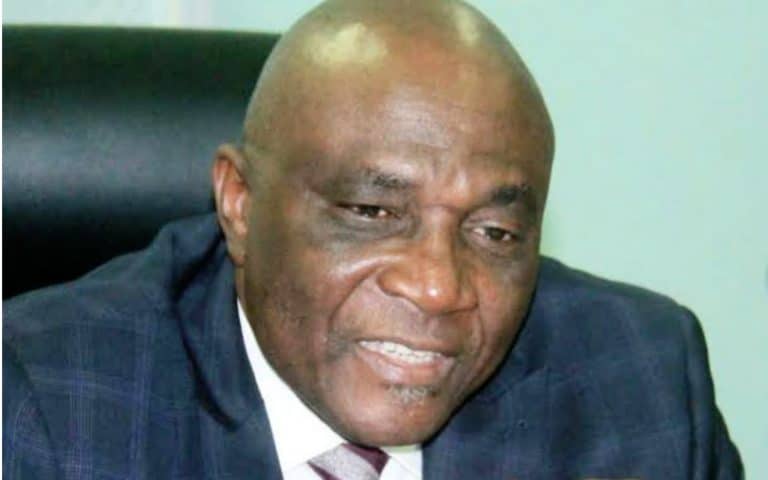
President Tinubu had earlier exercised his constitutional powers under Section 175 of the 1999 Constitution (as amended) to grant clemency and pardons to several convicted individuals. However, after consultations with the Council of State and public feedback, he ordered a review of the list, removing those convicted of serious crimes such as kidnapping, drug trafficking, human trafficking, fraud, and arms dealing.
FURTHER READING
- Obasanjo Explains Why He Rejected El-Rufai as Successor
- NOA Launches ₦22m Animation Contest to Promote National Values
- Gombe Commissioner Dies in Road Accident