- Tinubu’s Reforms Unlock Revenue Growth, IMPI Claims
- The organisation argued that subsidy regimes and foreign exchange structures had created opportunities for exploitation and drained public finances
- The organisation said these developments indicate greater fiscal stability and improved revenue flows to federal, state and local governments
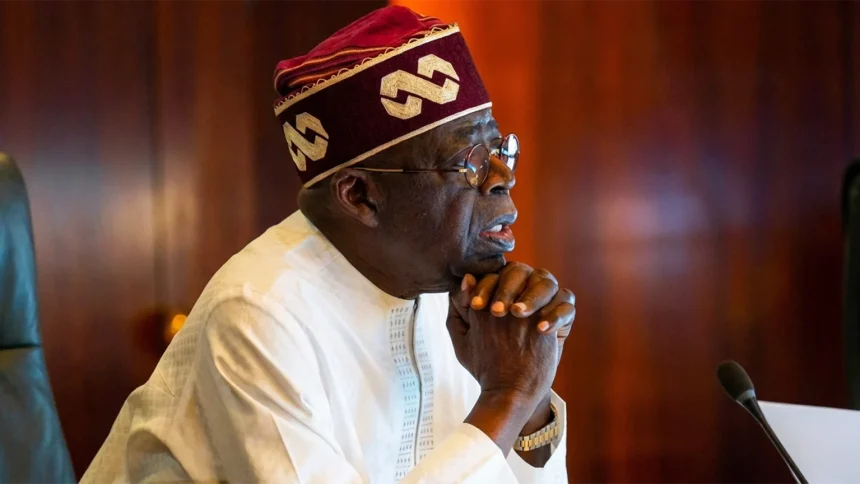
The Independent Media and Policy Initiatives (IMPI) has praised President Bola Ahmed Tinubu, arguing that his administration has achieved a turnaround in Nigeria’s economy through what it described as progressive, reform-driven policies.
Eko Hot Blog reports that in a policy statement signed by its chairman, Dr Omoniyi Akinsiju, the group said the reforms introduced since May 2023 represent a necessary shift away from years of fiscal mismanagement and structural weaknesses.
EDITOR’S PICK
- Residents Decry Exploitative Rent Increases Across Lagos
- FG Commissions CNG Refuelling Station at OAU to Boost Clean Energy Drive
- LSSTF Targets Cultism, Drug Abuse with New Programme
IMPI stated that prior to the reforms, Nigeria’s economy was heavily influenced by entrenched political and economic interests, with state resources concentrated among a small elite. The organisation argued that subsidy regimes and foreign exchange structures had created opportunities for exploitation and drained public finances.
The group noted that Nigeria’s fuel subsidy system had long been criticised for inefficiency and alleged corruption, while multiple exchange rate windows were said to have encouraged arbitrage between official and parallel markets.
According to the statement, by the time Tinubu assumed office, the country was reportedly spending a very high proportion of its revenue on debt servicing, a situation IMPI described as unsustainable.
The organisation also referenced historical data on Nigeria’s export performance, noting that crude oil export values peaked in 2011 and have fluctuated since, reflecting broader structural challenges in the economy.
IMPI credited the administration with deploying a range of policy tools it described as “economic progressivism”. These include fiscal and tax reforms, changes to subsidy structures, exchange rate adjustments, increased public investment, and measures aimed at strengthening labour protections and wealth redistribution.
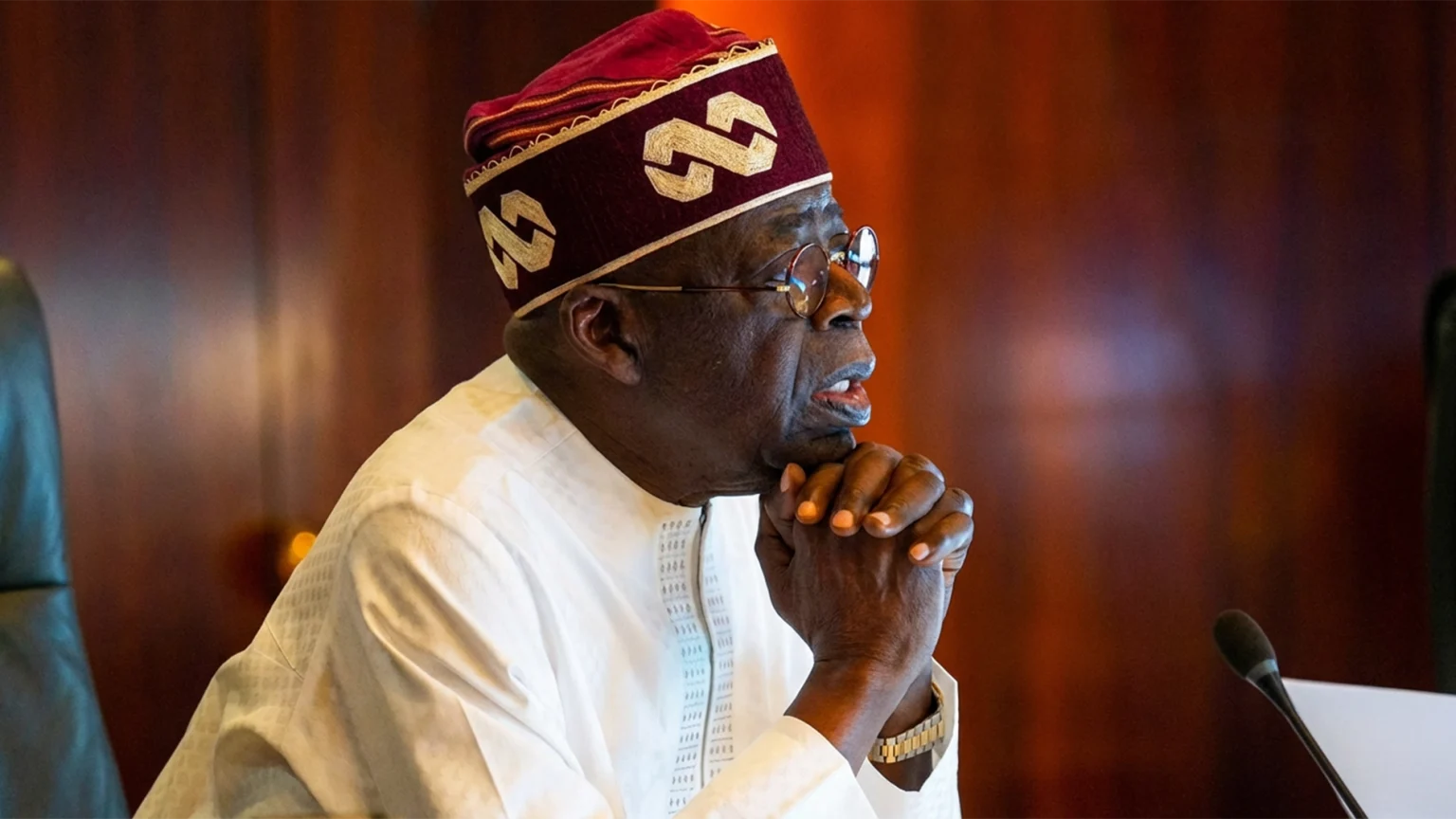
The group argued that these steps are designed to improve revenue generation, reduce distortions in the economy, and expand government capacity to fund infrastructure and social programmes.
IMPI highlighted recent figures from the Federation Account Allocation Committee (FAAC), stating that allocations to the three tiers of government rose significantly in 2025.
According to the group, over ₦33 trillion was distributed in the first eleven months of the year, representing a substantial increase compared with the same period in 2024. It attributed this growth to reforms including subsidy removal and foreign exchange adjustments.
The organisation said these developments indicate greater fiscal stability and improved revenue flows to federal, state and local governments.
IMPI concluded that the reforms demonstrate a deliberate effort to restructure the economy, improve transparency, and strengthen long-term economic resilience.