- He noted that the current reforms are designed not only to expand access but also to improve learning
- According to the minister, the government is making significant investments in student welfare
- These efforts reflect a deliberate strategy to address long standing challenges in tertiary institutions
Minister of Education, Tunji Alausa, has reaffirmed the Federal Government’s commitment to transforming the country’s education sector, linking ongoing reforms to the broader vision of President Bola Tinubu’s Renewed Hope agenda.
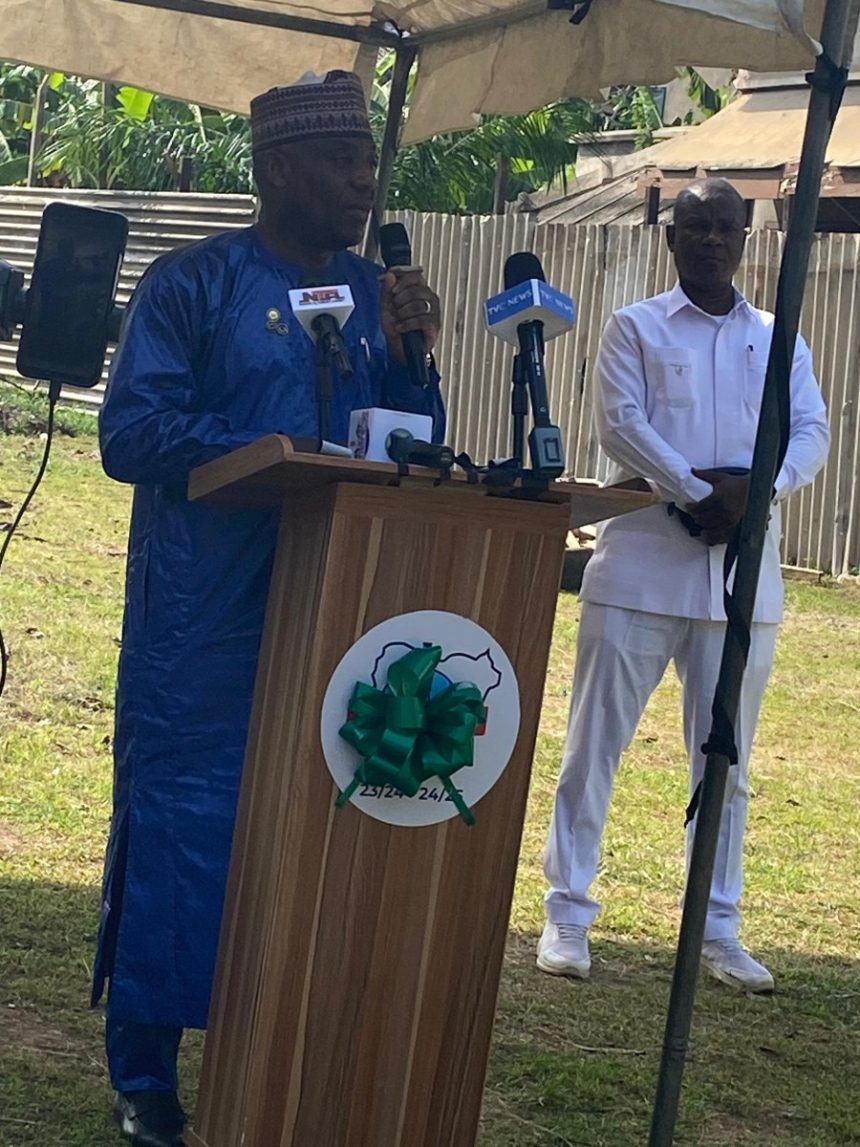
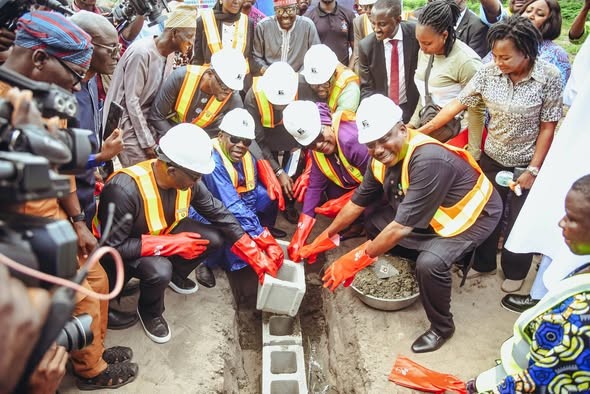
Speaking during a project event at Yaba College of Technology and Lagos State University, Eko Hot Blog gathered that Alausa said the administration is prioritising both infrastructure and quality in education to ensure Nigerian students can compete globally.
EDITOR’S PICK
- Benue Mortician Arrested for Using Corpse Part as Walking Stick
- Baba Yusuf: Bandits May Reach National Assembly
- PDP Asks INEC To Withdraw Recognition Of Anyanwu As National Secretary
He noted that the current reforms are designed not only to expand access but also to improve learning outcomes across all levels.
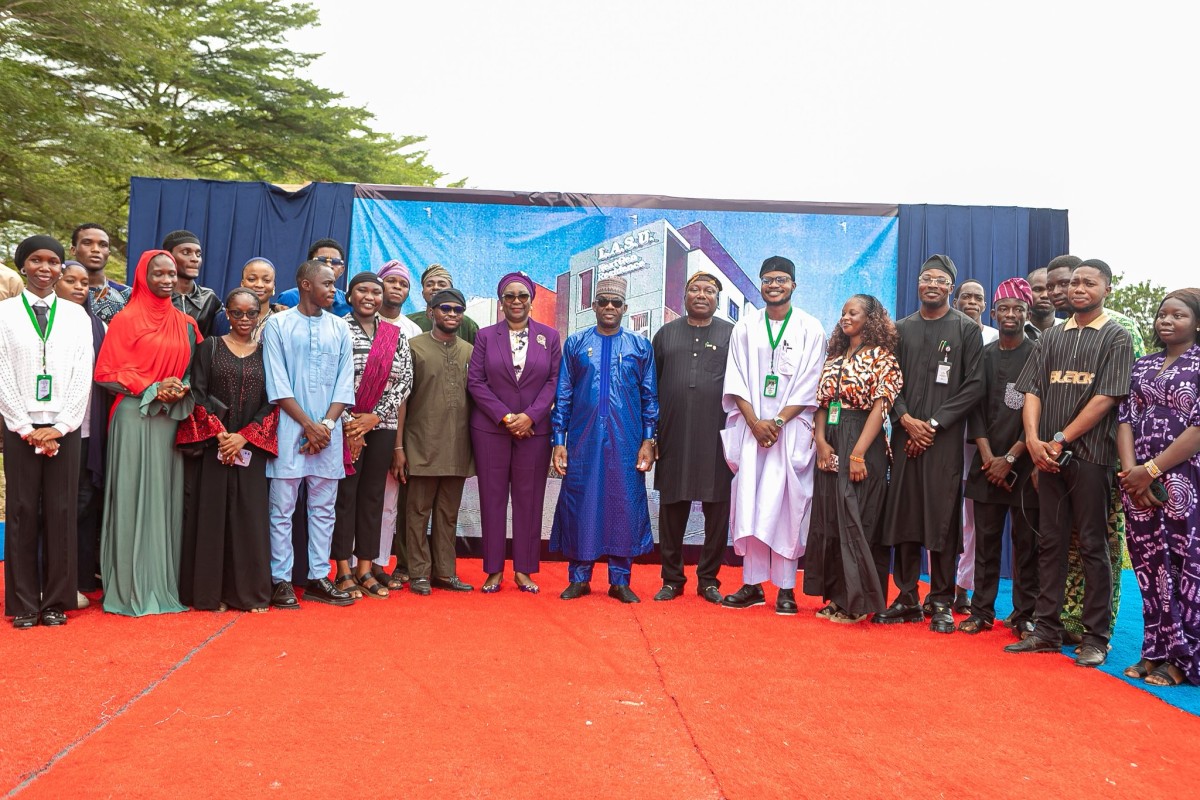
According to the minister, the government is making significant investments in student welfare, particularly in accommodation and learning facilities, to create a more conducive academic environment.
He explained that these efforts reflect a deliberate strategy to address long standing challenges in tertiary institutions.
Alausa highlighted that under Tinubu’s leadership, education is receiving unprecedented attention, with increased funding and strong political will driving reforms.
He added that the goal is to build a system that supports students from entry to graduation without disruption.
He also pointed to initiatives aimed at reducing financial barriers, including student support programmes that ensure no Nigerian is denied higher education due to economic constraints.
The minister said such policies are central to the Renewed Hope agenda, which seeks to empower young people and prepare them for future opportunities.
Beyond infrastructure, Alausa stressed the importance of equipping students with practical and entrepreneurial skills.
He noted that new programmes are being introduced to encourage innovation and self reliance, positioning graduates as job creators rather than job seekers.
He further explained that the government is investing in digital learning and technical education to align Nigeria’s academic system with global standards.
According to him, these reforms will enhance the country’s competitiveness and drive long term development.
Addressing students directly, the minister urged them to take advantage of the opportunities being created, assuring them that the administration is committed to their success both during and after their studies.
He maintained that the Renewed Hope agenda is focused on building a stronger, more inclusive education system that delivers real impact, adding that sustained investment and policy consistency will continue to shape the future of learning in Nigeria.
FURTHER READING