- Iran has carried out retaliatory strikes on energy facilities across the Gulf, including Qatar’s Ras Laffan LNG complex
- Trump insisted the United States had no prior knowledge of Israel’s operation
- France’s foreign minister, Jean-Noel Barrot, is expected to visit Lebanon in a show of support
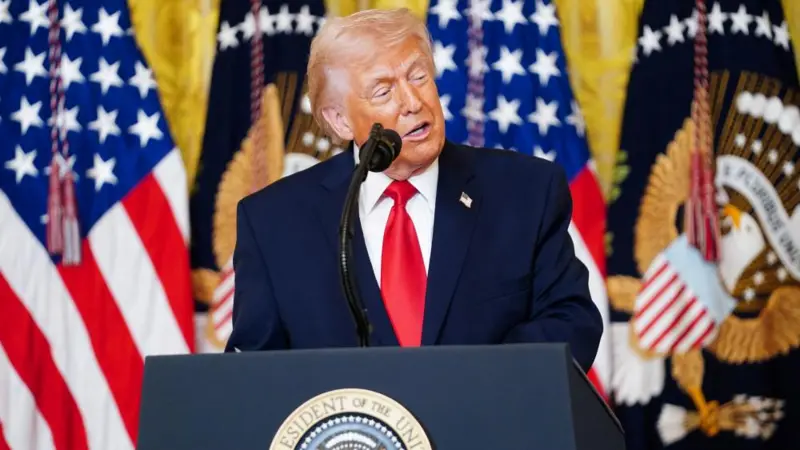
Tensions in the Middle East have intensified after the President of the United States, Donald Trump, warned that Iran’s South Pars gas field could face severe military action if Tehran continues targeting energy facilities in Qatar.
Eko Hot Blog gathered that the warning comes amid renewed strikes on key oil and gas infrastructure, raising fears of a prolonged conflict that could disrupt global energy supplies.
EDITOR’S PICK
- Why Return of Lagos Monthly Sanitation Exercise is Long Overdue
- Four Killed as Truck Crashes Into Bus on Lekki–Epe Expressway
- Uzodimma: Tinubu Reforms Prevent Fuel Crisis
Following the latest attacks, crude oil prices climbed by about five percent as investors reacted to the growing instability.
Concerns have also deepened around the Strait of Hormuz, a crucial shipping lane responsible for moving roughly one-fifth of the world’s crude. Tanker traffic in the area has slowed significantly due to fears of further attacks, adding pressure to global markets.
Iran has carried out retaliatory strikes on energy facilities across the Gulf, including Qatar’s Ras Laffan LNG complex, one of the largest liquefied natural gas hubs globally.
Although the strikes caused major damage, Qatari authorities said emergency crews were able to contain the resulting fires.
Tehran stated that its actions were in response to an earlier Israeli strike on the South Pars gas field, part of a massive natural gas reserve shared between Iran and Qatar.
In a social media post, Trump insisted the United States had no prior knowledge of Israel’s operation. He called for an immediate halt to attacks on energy infrastructure in both countries, while also issuing an ultimatum.
According to him, no further Israeli strikes would occur if Iran stops its attacks on Qatar. However, he warned that failure to comply could result in the U.S. taking drastic action against the South Pars facility.
Since the conflict escalated in late February, joint U.S. and Israeli operations have reportedly targeted senior Iranian figures, weakening the country’s leadership. Among those reported killed is intelligence chief Esmail Khatib, along with prominent political figure Ali Larijani.
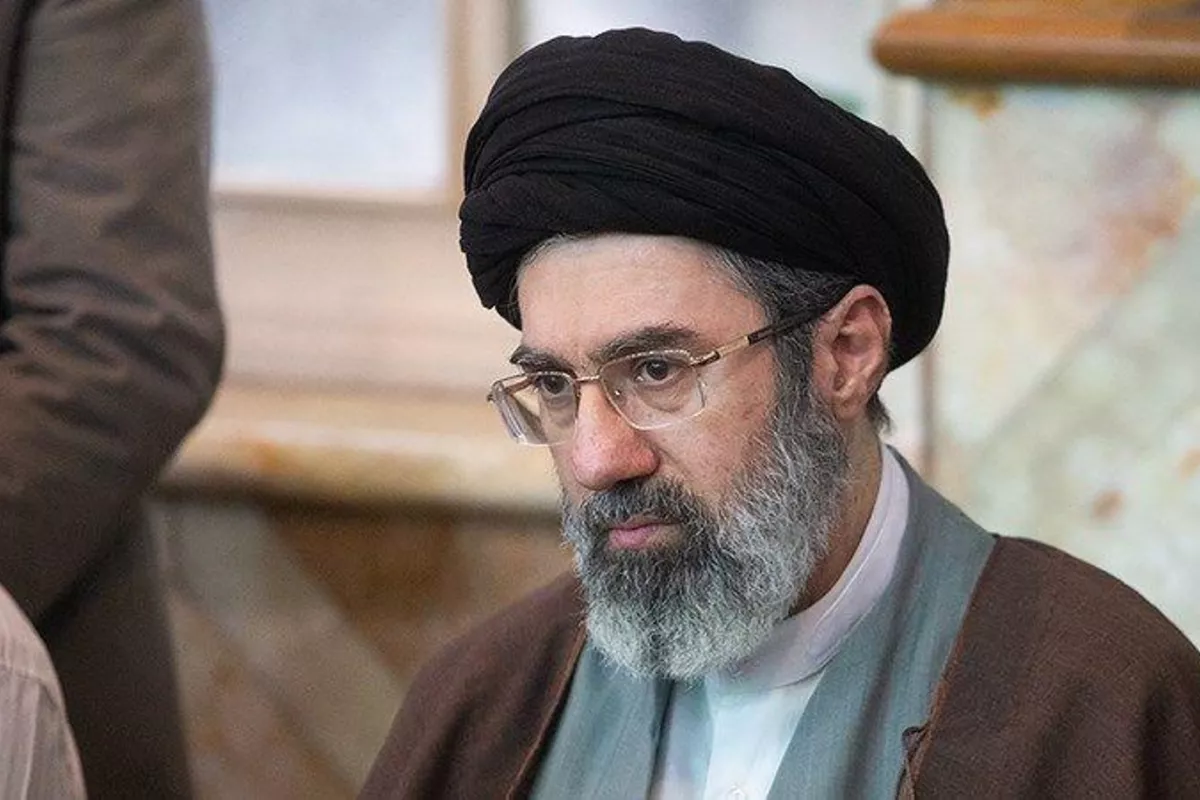
Iran’s President, Masoud Pezeshkian, condemned the killing as an act of aggression, while the country’s new supreme leader, Mojtaba Khamenei, vowed retaliation, declaring that the loss of Iranian lives would not go unanswered.
The violence has spread across the region, resulting in significant casualties. Thousands have reportedly died in Iran due to sustained strikes, while Tehran continues launching missile and drone attacks.
In Israel, an Iranian missile strike killed a foreign worker, raising the death toll there to 15. Elsewhere, in the West Bank, falling missile debris claimed the lives of three Palestinian women.
Qatar confirmed that emergency teams successfully managed fires at the Ras Laffan facility, preventing further escalation. Meanwhile, Saudi Arabia reported intercepting drones aimed at its energy infrastructure, with missile debris also discovered near a refinery south of Riyadh.
The conflict has also extended to Lebanon, where the Iran-backed group Hezbollah has increased rocket attacks on Israel.
In response, Israeli forces carried out airstrikes on Beirut, triggering panic and mass displacement as residents fled to safer areas such as Sidon.
Amid the crisis, the President of France, Emmanuel Macron, revealed he had spoken with Trump and Qatar’s leadership, urging an immediate halt to attacks on civilian infrastructure.
France’s foreign minister, Jean-Noel Barrot, is expected to visit Lebanon in a show of support.
In Iraq, the Iran-aligned group Kataeb Hezbollah announced a temporary five-day pause in attacks on the U.S. embassy in Baghdad, setting conditions tied to ending strikes in Lebanon and Iraq.
Early reports suggest a brief lull in hostilities, with no attacks recorded overnight into Thursday.
FURTHER READING