- US President Donald Trump has warned that the preferential trade agreement signed with the UK last year “can always be changed,” signaling a potential return to high tariffs for British manufactured goods.
- The threat follows Prime Minister Keir Starmer’s refusal to allow British bases to be used for initial US strikes on Iran, a move Trump described as a betrayal by a historic ally.
- Relations have hit a new low as British ministers publicly criticize Trump’s military strategy and “incendiary” language, even as King Charles III prepares for a state visit to the US later this month.
Transatlantic ties are facing their most severe test since President Donald Trump’s return to the White House, as the US leader threatened on Wednesday to renege on a landmark trade accord with the United Kingdom.
In a candid phone interview, Trump expressed deep dissatisfaction with Prime Minister Keir Starmer’s government, citing a lack of military cooperation in the ongoing conflict with Iran.
EDITOR’S PICKS
- JAMB Delists 23 CBT Centres, Warns 89 After Mock UTME Review
- NASA Astronauts Return to Earth After First Human Trip to the Moon in 50 Years
- INEC Shifts Nationwide Voter Revalidation Until After 2027 General Election
“We gave them a good trade deal, better than I had to, which can always be changed,” Trump said.
The agreement in question, concluded last year, capped US tariffs at 10 percent on most British goods in exchange for increased market access for American beef and ethanol.
However, Trump’s latest rhetoric suggests that Britain’s “special relationship” status will not protect it from economic pressure if its foreign policy deviates from Washington’s objectives.
The root of the tension lies in the Middle East. President Trump slammed the UK for failing to support initial US military strikes against Iran last month.
Although Starmer eventually allowed the use of two British bases for “limited defensive purposes,” Trump insisted the support was too little, too late. “When we needed them, they were not there,” Trump said. “They still aren’t there.”
In London, the Labour government has begun to harden its stance. Finance Minister Rachel Reeves recently criticized the “folly” of the US launching a war with Iran without a clear exit plan, while other ministers have labeled Trump’s rhetoric as “outrageous” and “provocative.”
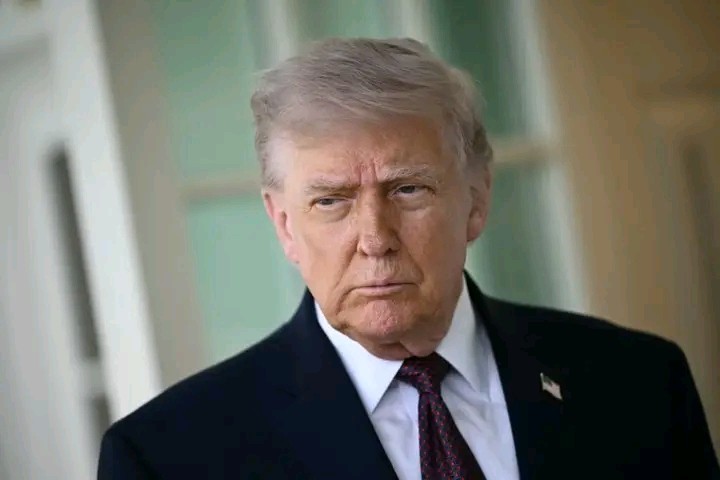
The timing of this diplomatic spat is particularly delicate. King Charles III is scheduled to embark on a high-profile state visit to the US later this month.
While Trump insisted that the political friction would “not at all” affect the Royal visit, the looming threat of a trade war casts a long shadow over the upcoming diplomatic engagements.
If Trump follows through on his threat to backtrack on the trade deal, British manufacturers could face a significant hike in export costs, further straining an economy already dealing with the global fallout of the Middle East conflict.
Finance Minister Reeves is currently in Washington for IMF meetings, where she is expected to meet with US Treasury Secretary Scott Bessent to discuss the mounting economic pressures.
As the July deadline for a new US tariff regime approaches, the UK finds itself in a precarious position, balancing its traditional alliance with the US against its own strategic and humanitarian concerns in the Middle East.