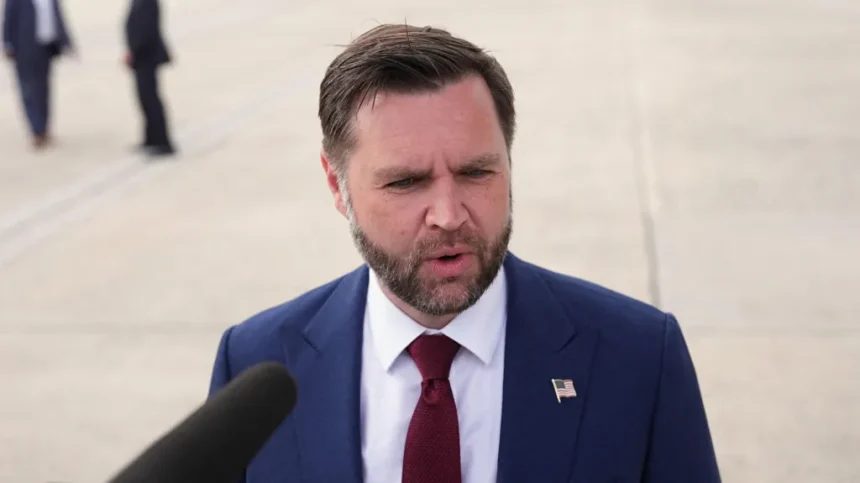
- He explained that negotiators are continuing discussions over key wording and technical concerns
- Vance noted that while progress has been made, “we’re not there yet,” adding that talks are ongoing in good faith
- Some proposals reportedly include relocating or diluting the material under international supervision
Talks between the United States and Iran over a possible peace arrangement remain unresolved, with officials indicating that several critical issues are still being negotiated despite signs of progress.
Eko Hot Blog reports that US Vice-President JD Vance said a final agreement has not yet been reached, stressing that it is still unclear whether or when both sides will conclude a deal.
EDITOR’S PICK
- Gov. Alex Otti Says Slashed State Debt by 60%, Completes 414 Roads In Few Years
- Nwoko Rejects APC Delta North Primary Result, Claims Victory Over Okowa
- Lagos Expands Infrastructure at Agbowa Timberville Project in Epe
He explained that negotiators are continuing discussions over key wording and technical concerns, including disagreements around uranium enrichment.
Reports suggest that the proposed arrangement would extend the current ceasefire for 60 days while both countries engage in broader negotiations on Iran’s nuclear programme and related security issues.
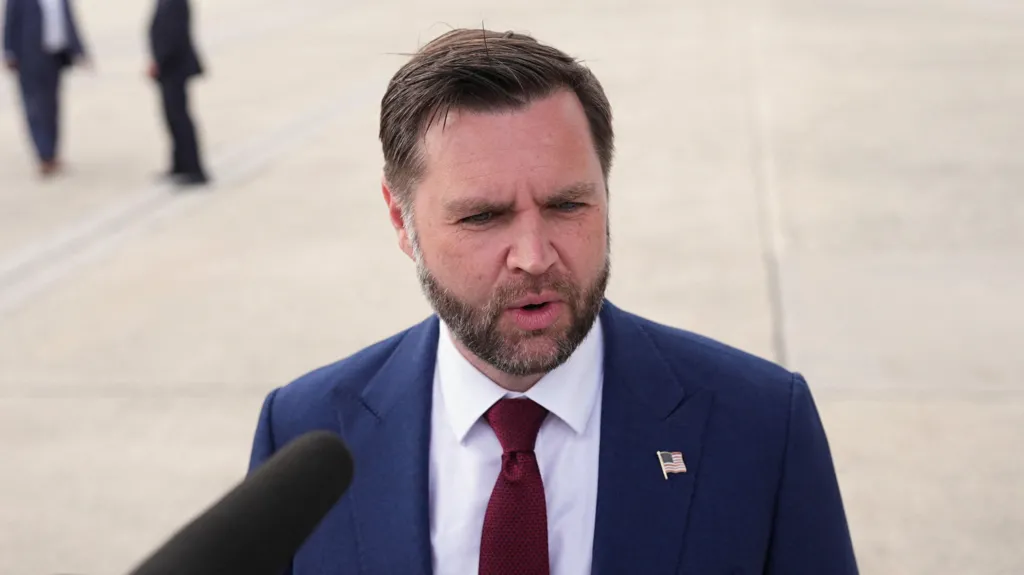
However, Vance noted that while progress has been made, “we’re not there yet,” adding that talks are ongoing in good faith.
Earlier reports had indicated that US and Iranian officials had agreed on a draft framework awaiting approval from President Donald Trump and Iran’s leadership. That claim was quickly disputed by Iran’s semi-official Tasnim news agency, which said no final agreement had been reached.
The negotiations have focused heavily on Iran’s nuclear capacity, with Washington long insisting that Tehran halt enrichment of highly enriched uranium and either dispose of or relocate its existing stockpile, which could potentially be used for weapons development.
Despite optimism from US officials, President Trump has repeatedly suggested that a breakthrough was near since a ceasefire came into effect in early April, though no concrete deal has been finalised so far.
The US administration is also facing increasing pressure from international allies and domestic political actors to bring an end to the conflict, as concerns grow over its duration and regional stability.
Conflicting reports over the status of negotiations have highlighted the uncertainty surrounding the process, with both sides offering differing accounts of progress and the content of any potential agreement.
Officials have warned that if diplomacy fails, military options remain on the table, underscoring the fragility of the current truce.
Among the issues under discussion are proposals to extend the ceasefire period to allow deeper technical negotiations on nuclear safeguards and the handling of Iran’s enriched uranium stockpile.
Some proposals reportedly include relocating or diluting the material under international supervision.
Additional discussions have also touched on maritime security, including passage through the Strait of Hormuz, a critical global shipping route through which a significant portion of the world’s oil and gas supply passes.
Other reported elements include potential easing of sanctions on Iran and measures related to oil exports, though these remain subject to approval and further negotiation.
US officials, including Treasury Secretary Scott Bessent, have declined to confirm any final agreement, emphasising that all decisions rest with the president and that discussions are still ongoing.
At the same time, both Washington and Tehran have accused each other of violating the fragile ceasefire, with recent claims of military activity further complicating the diplomatic effort.
Iranian sources alleged strikes on US-linked targets in the region, while US military officials dismissed related reports, insisting there was no evidence supporting some of the claims circulating in state media.
For now, the situation remains fluid, with both sides continuing negotiations amid uncertainty over whether the latest round of talks will ultimately produce a lasting peace agreement.