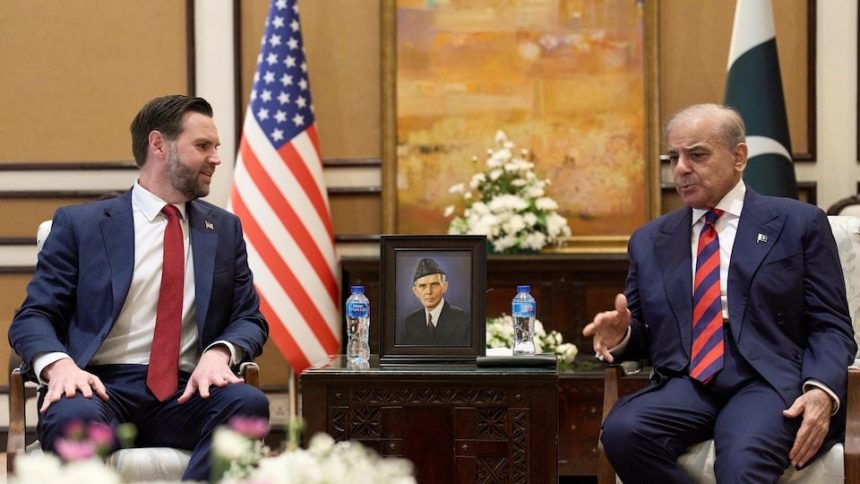
- Vance said Tehran declined to accept Washington’s conditions
- He added that any future deal would depend on what he described as a “fundamental commitment”
- Iran’s foreign ministry, however, described the negotiations as “intensive” and pushed back against the US position
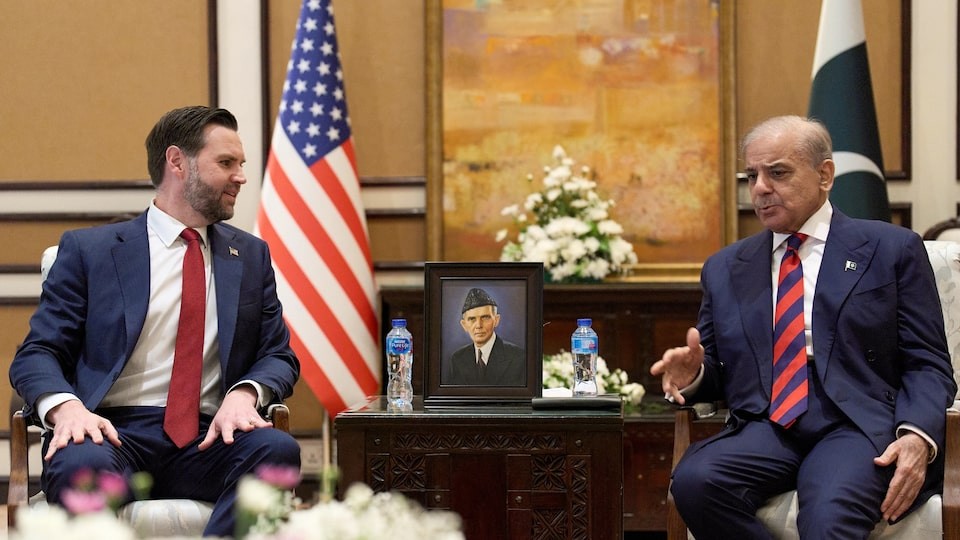
Talks between the United States and Iran ended without a breakthrough, as Vice-President JD Vance confirmed that both sides failed to reach an agreement during high-level negotiations held in Islamabad.
Speaking after the discussions, Eko Hot Blog reports that Vance said Tehran declined to accept Washington’s conditions, stressing that the US is seeking a clear and lasting assurance that Iran will not pursue nuclear weapons.
EDITOR’S PICK
- Interior Ministry Orders Immediate Deactivation of Passports for Former Citizens
- Iran Sets Conditions as US Warns Ahead of Talks
- 7 Things People Over 50 Should Do Every Morning for Better Health
He added that any future deal would depend on what he described as a “fundamental commitment” from the Iranian government.
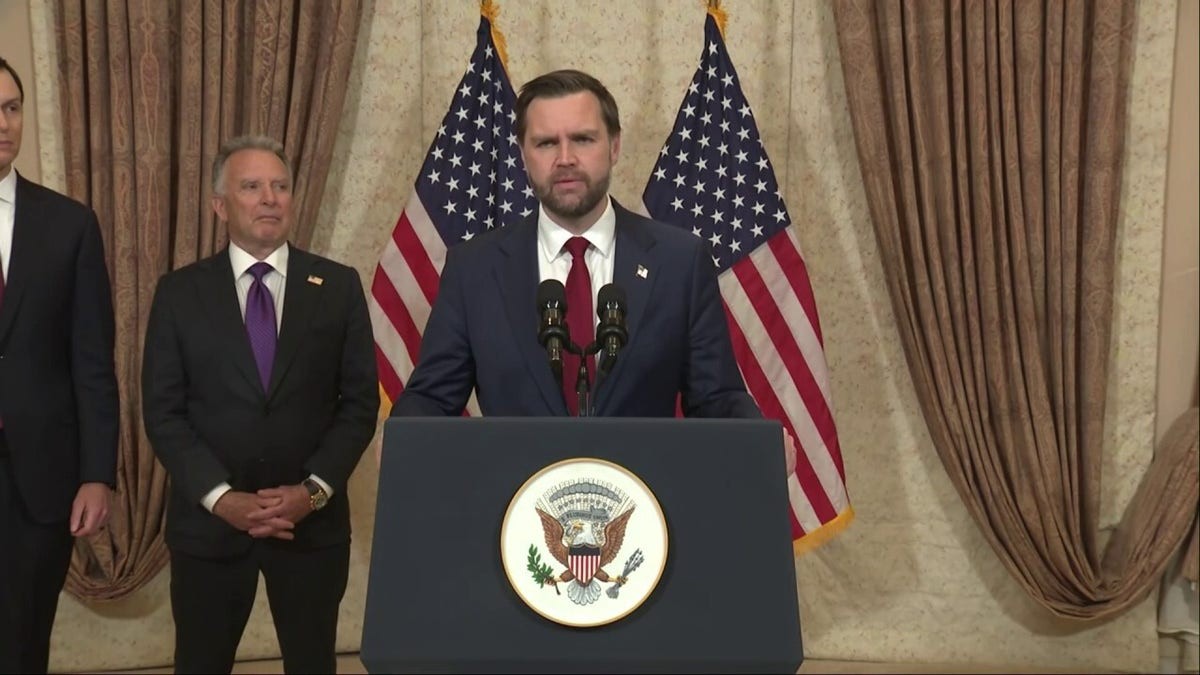
Iran’s foreign ministry, however, described the negotiations as “intensive” and pushed back against the US position, urging Washington to avoid what it called unrealistic demands and actions outside international legal norms.
The response highlights the deep divide that continues to hinder progress between the two countries.
The atmosphere surrounding the talks was marked by visible disappointment, with observers noting that expectations for a possible breakthrough had been high before the meeting. The lack of agreement underscores the ongoing challenges in resolving long-standing tensions over Iran’s nuclear programme.
Earlier, US President Donald Trump downplayed the outcome, saying it would not significantly affect American interests whether or not a deal is reached, insisting that the US remains in a strong position regardless.
Meanwhile, tensions in the broader Middle East remain elevated. As Israel continues its military operations against Hezbollah targets, Prime Minister Benjamin Netanyahu reiterated his desire for a lasting peace agreement with Lebanon, while also indicating that Israel’s confrontation with Iran is still ongoing.
The stalled talks reflect wider geopolitical strains, with diplomatic efforts facing increasing pressure amid overlapping regional conflicts and competing strategic interests.
FURTHER READING