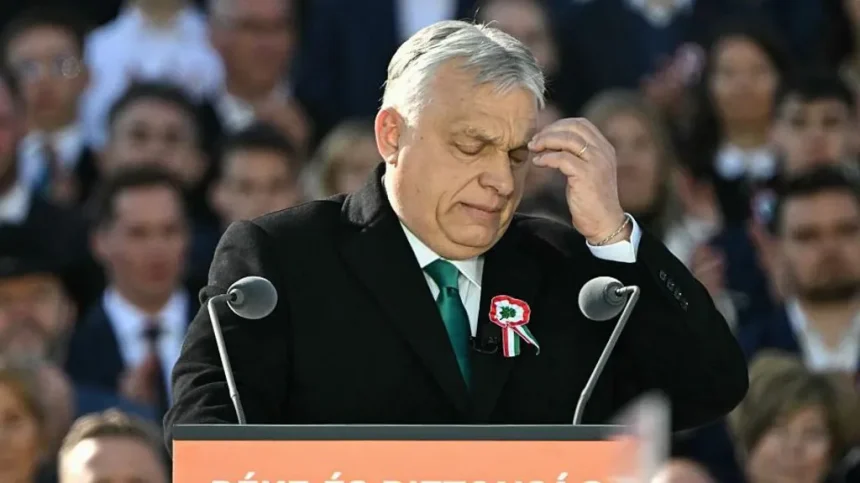
For more than a decade and a half, Orbán stood as one of the most powerful and polarising leaders in the European Union. His latest electoral defeat has not only removed him from office, it has exposed the limits of a political system he carefully built to retain power.
EDITOR’S PICK
- Benue Mortician Arrested for Using Corpse Part as Walking Stick
- Baba Yusuf: Bandits May Reach National Assembly
- PDP Asks INEC To Withdraw Recognition Of Anyanwu As National Secretary
The rise and reinvention of Orbán
Orbán first gained national attention in the late 1980s as a young reformist challenging communist rule. By the time he led Fidesz to victory in 1998, he had already begun reshaping his political identity.
After losing power in 2002 and again in 2006, he adjusted his strategy and transformed Fidesz into a disciplined nationalist force. That shift paid off in 2010 when he returned to power with a commanding parliamentary majority during a period of economic crisis and public dissatisfaction.
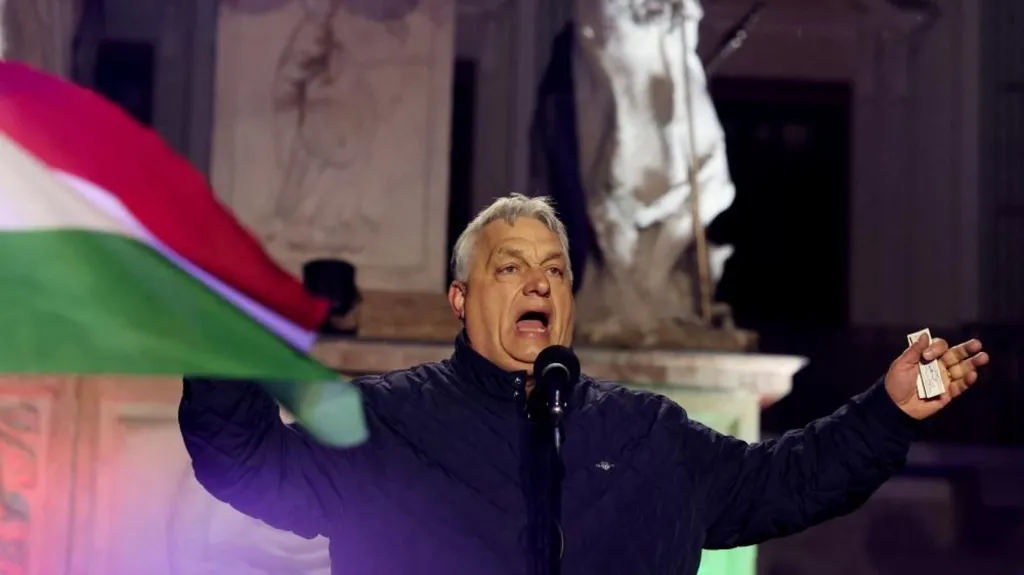
A pattern of dominant victories
From 2010 onward, Orbán proved difficult to defeat at the polls, consistently outmaneuvering opposition groups.
In the 2010 election, he defeated the Socialist Party with about 53 percent of the vote, securing a two thirds parliamentary majority that allowed major constitutional changes.
In 2014, facing a coalition led by Attila Mesterházy, Orbán retained power with around 44 percent of the vote, still enough to maintain strong control due to the electoral system.
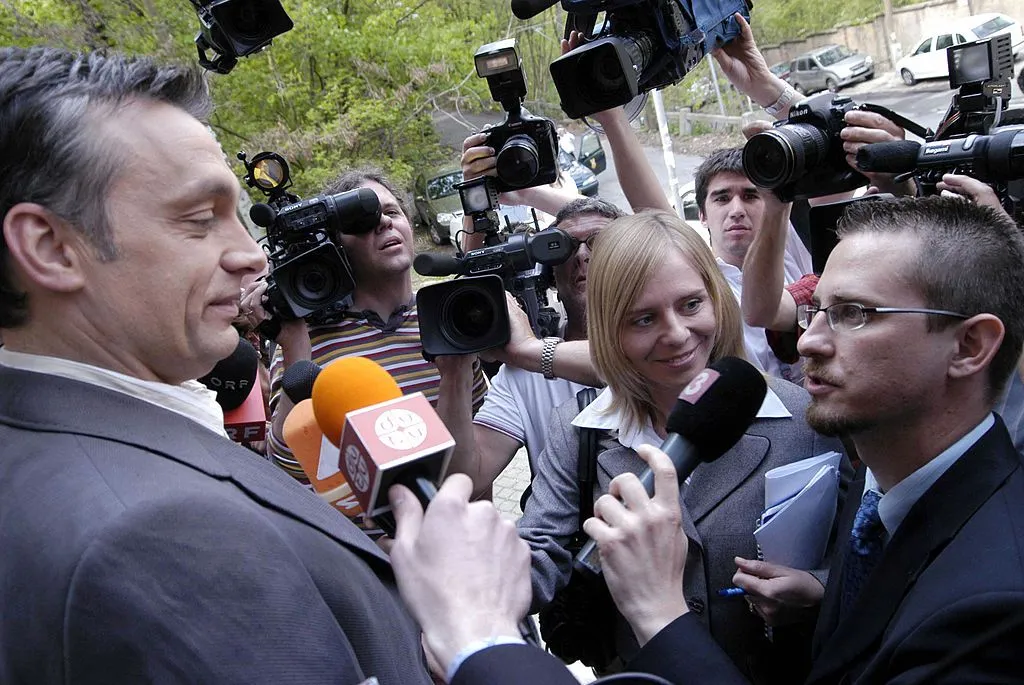
In 2018, against a divided opposition that included figures such as Gergely Karácsony, his party again secured victory with close to 49 percent, keeping its dominance in parliament.
In 2022, he achieved one of his strongest wins, defeating a united opposition led by Péter Márki Zay by more than 18 percentage points, reinforcing his image as politically untouchable.
Across these elections, Orbán relied on strong nationalist messaging, strict migration policies, and a highly organised campaign structure.
Governance and growing criticism
Supporters credit Orbán with stabilising the economy and promoting national identity, but his years in power were marked by controversy.
His government introduced wide ranging constitutional reforms, restructured the judiciary, and expanded executive authority. Critics argued that these moves weakened democratic institutions and reduced media independence.
Corruption allegations also persisted, with claims that public resources and contracts benefited individuals within his close circle. International observers repeatedly raised concerns about transparency.
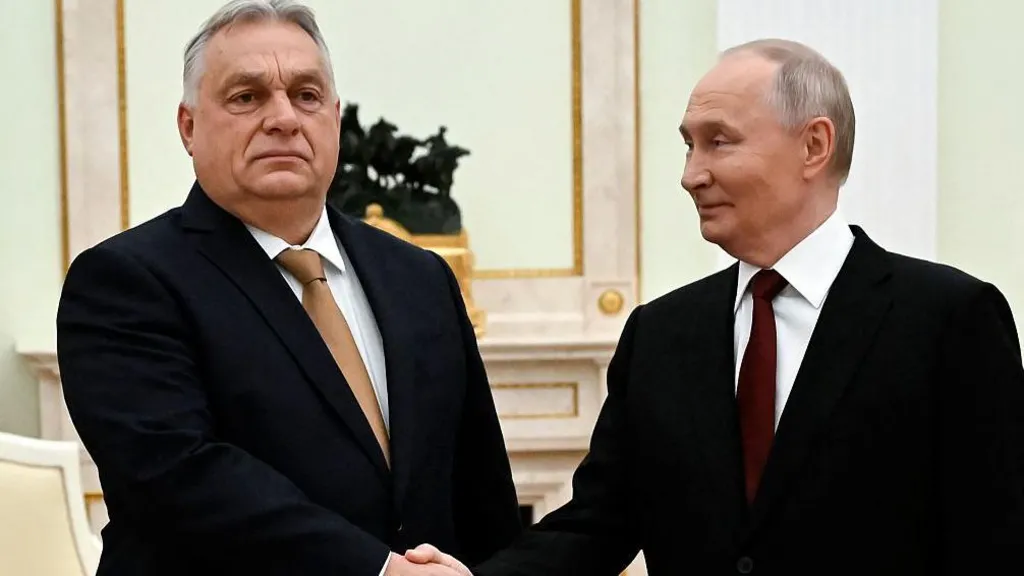
On the global stage, his close ties with Vladimir Putin and support from figures like Donald Trump further distanced Hungary from mainstream European leadership.
The beginning of the end
Despite years of dominance, signs of decline began to emerge. Economic pressures, rising living costs, and voter fatigue gradually weakened his support base. More importantly, the opposition began to organise more effectively.
This time, the challenge came from within the political space itself.
Péter Magyar, a former insider with deep understanding of the system, emerged as a strong challenger. He united different opposition groups and attracted both urban voters and disillusioned conservatives.
The fall after 16 years
The election became a turning point. Orbán’s usual advantages including party structure and long incumbency were no longer enough.
Magyar’s campaign focused on anti corruption, institutional reform, and restoring balance in governance. His message resonated with a population eager for change.
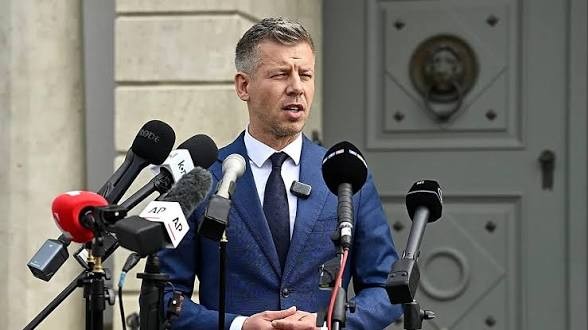
The results showed a clear shift. The outcome ended Orbán’s long rule and marked his first major electoral defeat in nearly two decades.
For many citizens, it represented not just a change in leadership but a break from a long period of political dominance.
A new chapter for Hungary
Orbán leaves behind a complex legacy. He reshaped Hungary politically, economically, and ideologically, earning both loyal supporters and strong critics.
Now under the leadership of Péter Magyar, the country enters a new phase.
The task ahead includes rebuilding trust in institutions, addressing economic challenges, and redefining Hungary’s role within Europe.
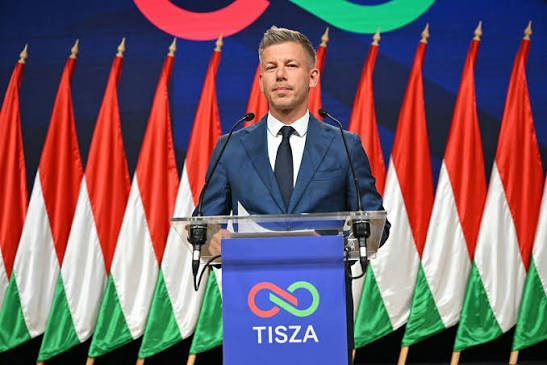
Orbán’s exit shows that even the most established political power can shift. For Hungary, it marks the beginning of a new chapter that will shape its future direction.
FURTHER READING