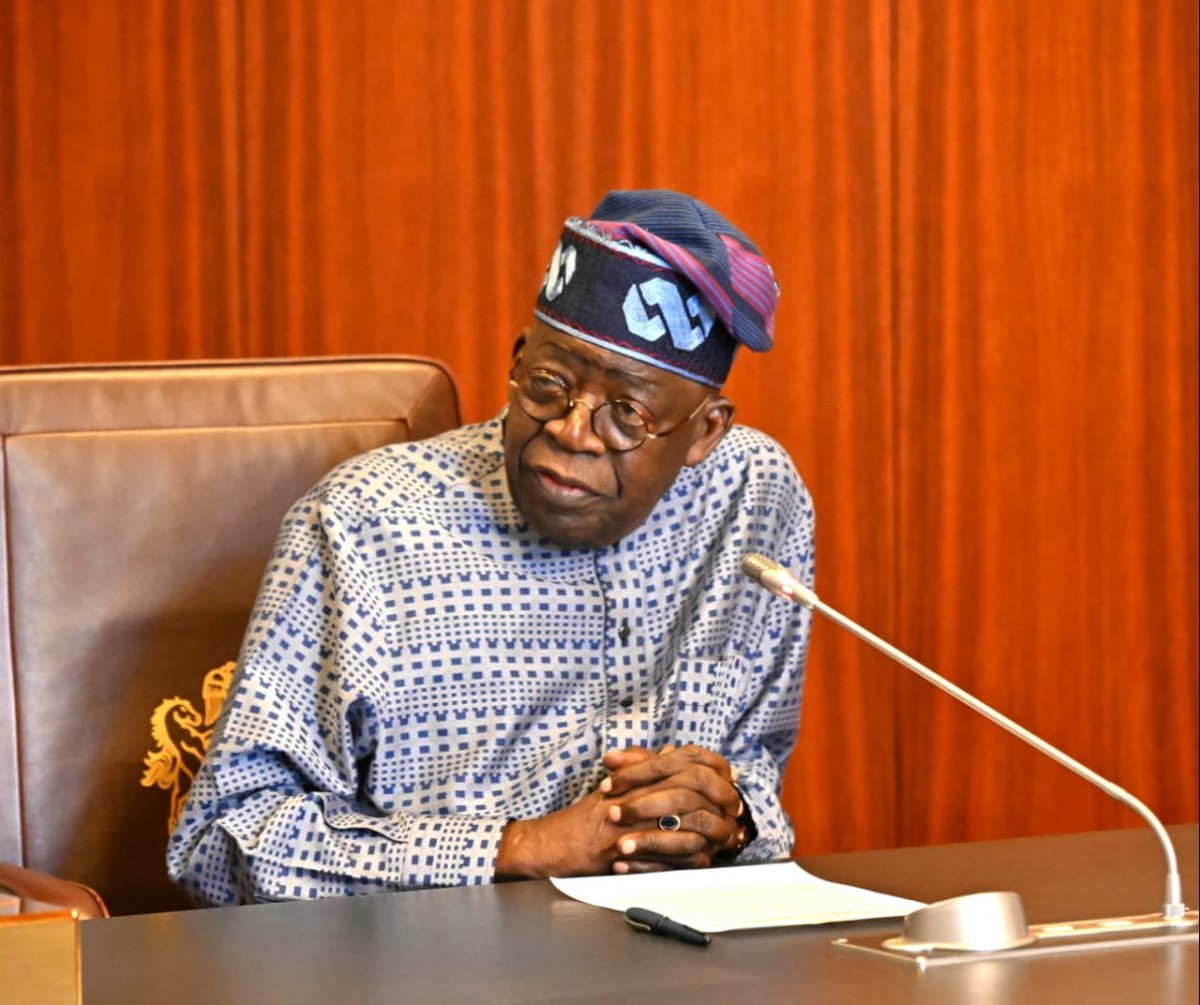
From the moment President Bola Tinubu stepped onto the podium at Eagle Square on May 29, 2023 to take his oath of office, it was clear that his presidency would not be for the faint-hearted — his or anyone else’s.
EKO HOT BLOG recalls that his very first act was to detonate a political grenade: the removal of the petrol subsidy, a policy so deeply embedded in Nigeria’s social contract that previous administrations had recoiled from touching it despite its ruinous cost to the federation. Tinubu did not flinch. The naira devaluation followed. Interest rates climbed.
EDITOR’S PICKS
The pain was real and widespread, and the president acknowledged as much, but his position remained that short-term suffering was the price of long-term stability. Whether one agrees with his economics or not, the pattern was established early: this is a president who makes the call and lives with the consequences.
That pattern has defined his administration. Tinubu has presided over a sweeping restructuring of Nigeria’s fiscal architecture, unifying the exchange rate, overhauling revenue agencies, and pushing tax reform legislation that rearranged decades-old assumptions about how the country funds itself.
None of these were easy or universally popular. All of them carried political risk. All of them happened anyway.
The Edun Decision
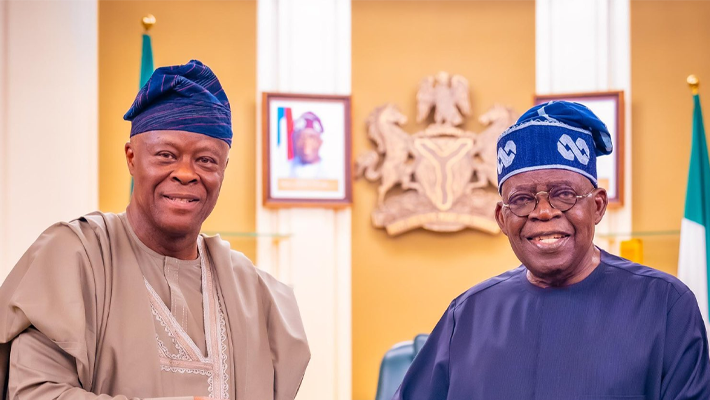
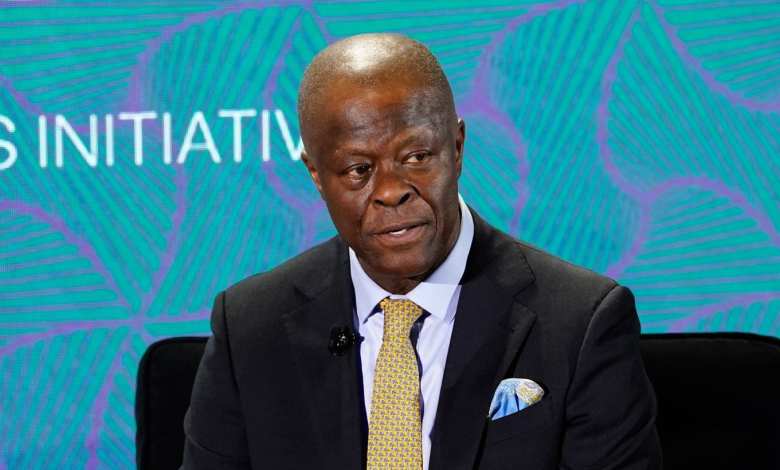
If there was any remaining doubt about Tinubu’s willingness to wield the big stick in service of his Renewed Hope agenda, Tuesday’s cabinet reshuffle settled it. Wale Edun, the Minister of Finance and Coordinating Minister of the Economy, and a man who has known Tinubu for more than 27 years, was removed from office.
Although the presidency moved quickly the following day to characterise the exit as a resignation, insiders said Edun’s fate had effectively been sealed since December 2025, following a tense altercation with the president at a Federal Executive Council (FEC) meeting over the slow release of capital budget funds. The presidency’s damage control did little to change that read.
The capital budget dispute was not a minor grievance. Federal lawmakers had accused Edun of recording zero implementation of the 2025 capital budget despite the National Assembly approving N1.15 trillion for capital components. Ministries complained of funding shortages.
Muhammad Ali Pate, Minister of Health, disclosed that his ministry received only N36 million out of N218 billion appropriated for 2025 capital projects, a figure that went viral and landed at the president’s feet.
Tinubu intervened with the economic team on several occasions, but was not satisfied with the responses. Edun’s argument — that after debt service, salaries, and pensions, little remained for capital releases — was fiscally defensible but politically unsustainable for a president whose infrastructure ambitions are central to his legacy pitch.
The significance of this removal lies not in its administrative detail but in what it says about the man making the decision. Edun is not a political opponent, a rival, or a stranger. He is someone Tinubu appointed as Lagos Commissioner for Finance, a trusted hand from the earliest days of his political career.
To move against Edun is to signal that proximity, loyalty, and history carry no immunity when they conflict with performance expectations.
Nobody Is Too Big
The message was not lost on observers.
“If a whole Wale Edun could be removed, nobody’s too big for BAT to deal with o,” Bolaji Fesomade, a Tinubu supporter, wrote on X on Wednesday, April 22. “Person wey deal with fuel, dollar and NNPC cabals singlehandedly no de fear any man. Not even his re-election. Dear appointees, do your work diligently else, this man called BAT will send you home.”
If a whole Wale Edun could be removed. Nobody's too big for BAT to deal with o. Person wey deal with fuel, dollar and NNPC cabals singlehandedly no de fear any man. Not even his re-election. Dear appointees, do your work diligently else, this man called BAT will send you home.
— Bolaji Fesomade (@MasterBolaji) April 22, 2026
It is a sentiment that cuts to the heart of the Tinubu calculation. The president replaced Edun with Taiwo Oyedele, the tax reform architect he had already positioned as Minister of State for Finance, a deliberate sequencing that insiders say signalled the transition was planned, not reactive.
Edun’s removal, in this reading, is less a punishment than a redeployment of political will.
The Broader Argument
Critics will note, with some justification, that the capital budget crisis Edun was blamed for did not emerge in a vacuum. The fiscal constraints he cited were real: debt service consuming the lion’s share of government revenue, wage bills stretching the treasury, contractors going unpaid not out of indifference but out of genuine scarcity. The question of whether the minister or the system failed is one that reasonable analysts continue to debate.
FURTHER READING
But Tinubu’s presidency has never been primarily about managing expectations. It has been about forcing outcomes. The ouster of his longest-serving ally is, by that measure, entirely consistent with the president he has shown himself to be: one for whom the agenda, not the relationship, is the last word.
Philip Ibitoye is a Special Correspondent with EKO HOT BLOG. Click here to find daily analysis and critical insight on trending issues in Lagos and other parts of Nigeria.
Click to watch the video of the week below: