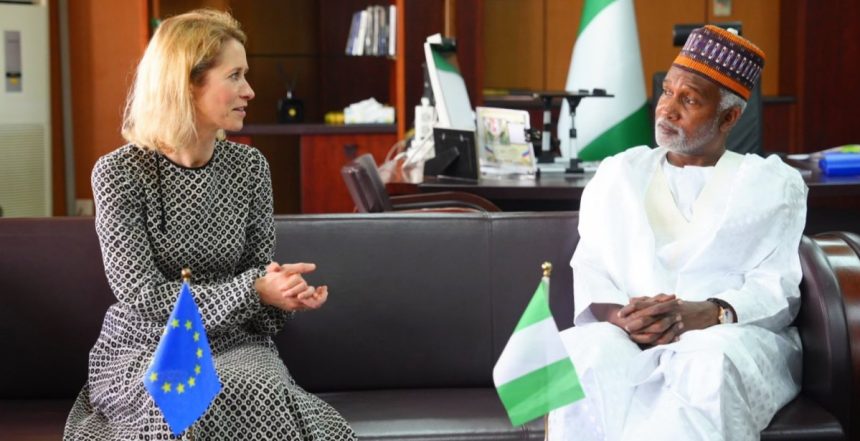
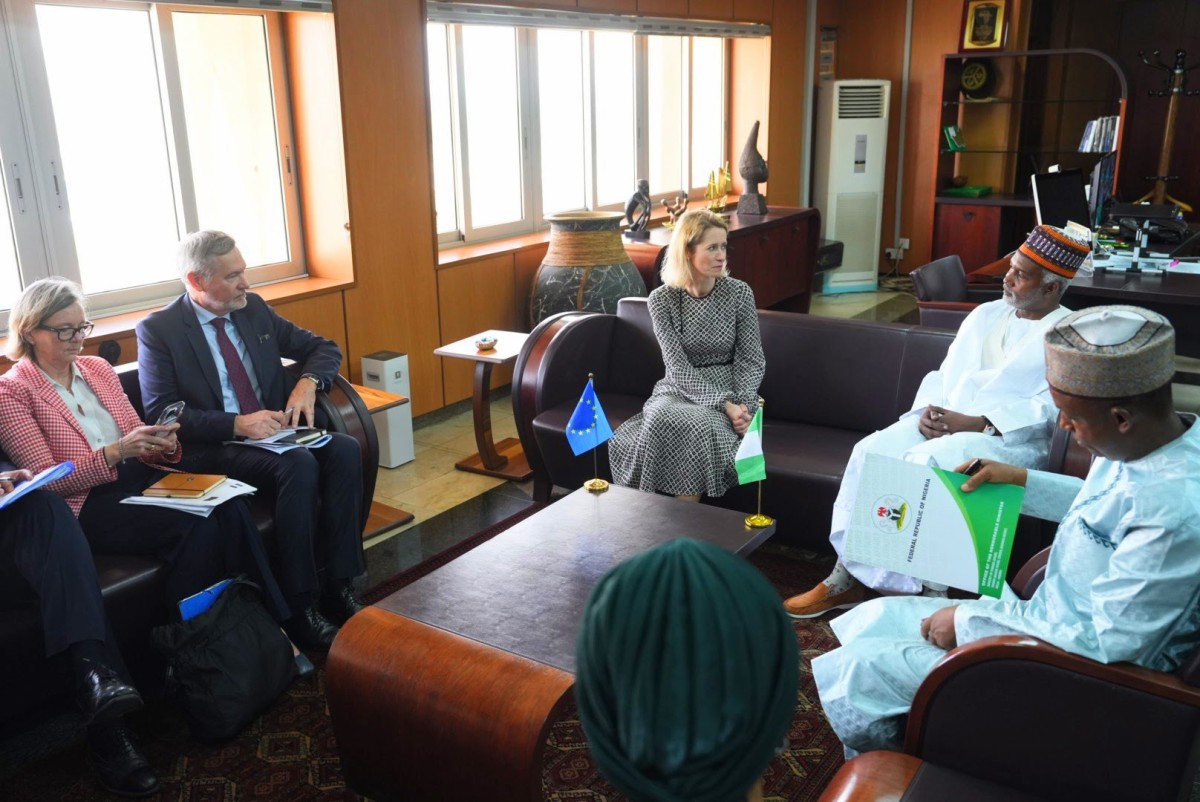
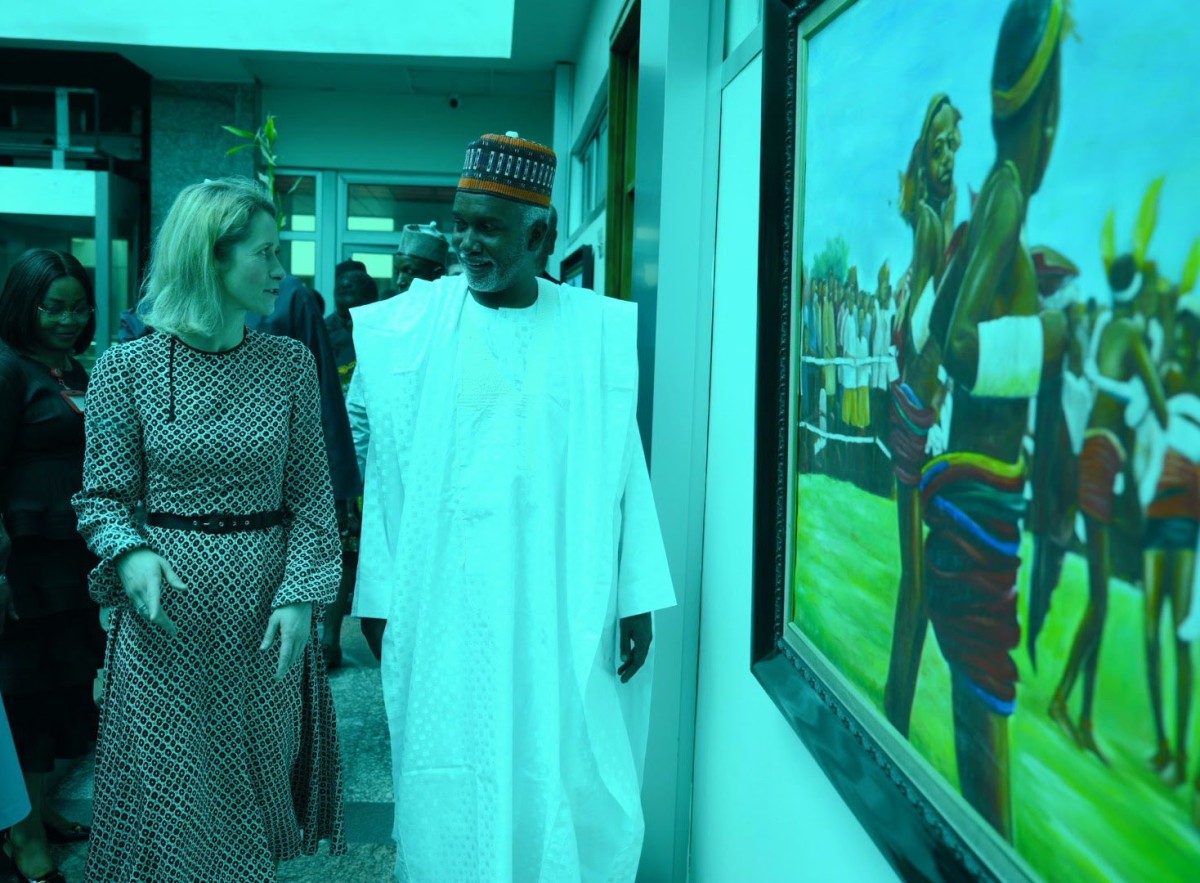
When European Union High Representative Kaja Kallas arrived in Abuja on Monday for the eighth Nigeria-EU ministerial dialogue, she came bearing more than diplomatic pleasantries.
The bloc announced a €290 million investment package for Nigeria spanning digital infrastructure, healthcare manufacturing, agriculture, and migration management — a signal, European officials said, of deepening bilateral ties at a moment of shifting global alliances.
EDITOR’S PICKS
The funding is part of the EU’s Global Gateway strategy, Brussels’ answer to China’s Belt and Road Initiative, which seeks to channel European capital into strategic sectors across developing economies. For Nigeria, Africa’s largest economy and most populous nation, the package represents one of the more structured European investment commitments in recent memory.
Co-chairing the dialogue alongside Kallas was Yusuf Tuggar, Nigeria’s minister of foreign affairs — a pairing that underscored the state-level seriousness with which both sides approached the meeting.
Where The Money Is Going
The single largest allocation — €131 million — goes to the digital sector, reflecting a growing consensus among development financiers that connectivity is infrastructure in the same way roads and ports are.
Under the programme, approximately 90,000 kilometres of fibre-optic cable will be deployed to bring internet access to an estimated 33 million Nigerians who currently lack reliable connectivity. The initiative will also fund digital public infrastructure and talent development in the technology sector.
Agriculture receives €85 million through a financing agreement signed between the European Investment Bank (EIB), acting through its development arm, and the Bank of Industry (BoI). At least 70 percent of those loans will target cocoa and dairy production — two value chains with significant export potential and existing smallholder networks. The funds are designed to improve productivity, strengthen value chains, and extend support to cooperatives and agribusinesses.
Healthcare manufacturing gets €50 million through a separate EIB-BoI credit line directed at local production of pharmaceuticals, vaccines, diagnostics, and medical devices. The remaining €16 million is allocated to migration management, covering reintegration support for returnees and efforts to combat human trafficking.
The Healthcare Angle And What It Signals
Of the four pillars, the healthcare commitment may carry the most strategic weight. BoI Managing Director Olasupo Olusi framed it plainly: the partnership is intended to shift Nigeria’s position in global health supply chains, from a major importer of essential commodities to a competitive producer.
It is an ambitious framing, but not without context. The COVID-19 pandemic exposed, with brutal clarity, how vulnerable import-dependent countries are when global supply chains fracture.
African governments, stung by vaccine hoarding and export restrictions from richer nations, have since committed, under the African Union framework, to producing 60 percent of vaccines locally by 2040. The EU-BoI agreement is positioned as a contribution toward that continental target.
EIB Vice President Ambroise Fayolle said the partnership would improve access to affordable, high-quality treatments while reinforcing supply chain resilience. EU Commissioner for International Partnerships Jozef Síkela echoed that framing, describing the investment as a tool for scaling local production capacity and reducing import reliance. Whether rhetoric translates into factory floors and functional cold chains is a question implementation will answer.
The Bigger Picture
The package does not exist in a vacuum.
Kallas was candid about the geopolitical subtext, noting that the EU is “keen to enhance its partnership with Nigeria” in the current global context, language that reflects European anxieties about influence on the African continent as competition from China, Russia, and Gulf states intensifies.
The EIB noted it has invested more than €2.3 billion in Nigeria since 1978 across infrastructure, climate resilience, agribusiness, and small business financing, a long institutional relationship that the new package builds upon rather than inaugurates.
For Nigeria, the investments arrive at a moment when the federal government is actively courting foreign capital to supplement a constrained public budget. The alignment with domestic priorities, from the tech talent agenda to agricultural value chain development, suggests the package was structured with deliberate attention to what Nigerian officials have publicly identified as growth levers.
FURTHER READING
What the €290 million will ultimately deliver depends on execution, institutional capacity, and the degree to which the resources reach the sectors and populations they are designed to serve. The signing ceremonies are only the beginning.
Philip Ibitoye is a Special Correspondent with EKO HOT BLOG. Click here to find daily analysis and critical insight on trending issues in Lagos and other parts of Nigeria.
Click to watch the video of the week below: