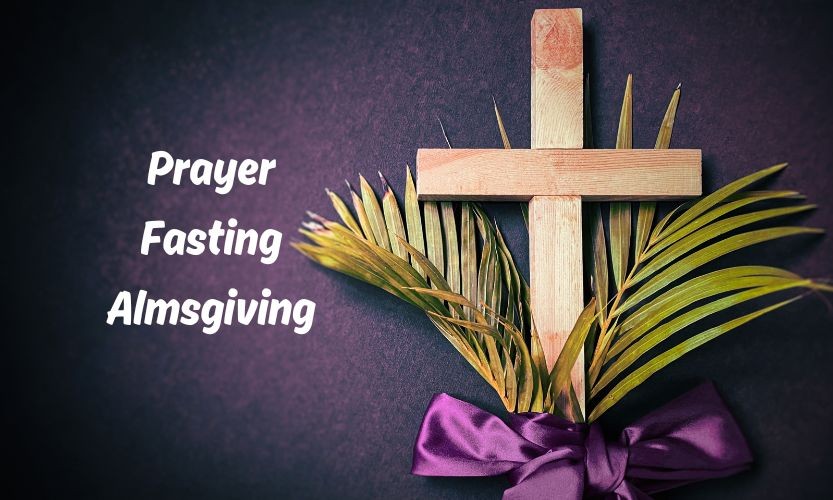
Lent is one of the most sacred and reflective seasons in the Christian calendar. It is a 40-day period of prayer, fasting, and almsgiving observed by millions of Christians around the world as they prepare their hearts for Easter.
At its core, Lent is a journey, a spiritual walk toward renewal.
EDITOR’S PICK
- Nigeria Earned N65.85bn from Wood Energy Exports in Q1 2025 – NBS
- Insecurity Rooted in Poverty, Obasa Tells Political Leaders
- Eleko Residents Protest Planned 150m Setback on Lagos-Calabar Highway
Lent commemorates the 40 days that Jesus Christ spent fasting in the wilderness, where He prayed and overcame temptation.
This period symbolizes discipline, sacrifice, and spiritual strength.
The word “Lent” itself comes from an old English word meaning “spring,” reflecting not only a change in season but also the opportunity for new spiritual growth.
Lent begins on Ash Wednesday and ends on Holy Saturday, the day before Easter Sunday. The 40 days do not include Sundays, which are considered celebrations of Christ’s resurrection.
During Ash Wednesday services, many Christians receive ashes on their foreheads in the shape of a cross, a reminder of humility and repentance.
Lent is traditionally built on three spiritual pillars:
1. Prayer
Believers are encouraged to deepen their relationship with God through intentional prayer, meditation, and reflection.
2. Fasting
Fasting involves giving up certain foods, habits, or pleasures as a form of sacrifice and discipline. It is not merely about abstaining from food but about creating space for spiritual focus.
3. Almsgiving
Acts of charity and kindness are central to Lent. Supporting the needy, showing compassion, and giving generously reflect Christ’s love in action.
Lent is widely observed in the Roman Catholic Church, the Anglican Communion, Methodist, Lutheran, and many other Christian denominations. While practices may differ slightly, the spirit of repentance and preparation remains the same.
Some churches emphasize strict fasting, while others focus more on devotionals, community outreach, and special services.
Lent is not meant to be a gloomy season. Rather, it is a beautiful invitation to slow down, examine one’s life, and realign with God’s purpose.
It is a time to:
Forgive others
Let go of harmful habits
Strengthen faith
Cultivate gratitude
Grow in love and humility
Just as a seed must be buried before it blossoms, Lent reminds believers that sacrifice often precedes resurrection.
In a fast-paced world filled with distractions, Lent offers something rare-silence, reflection, and intentional living.
It calls people back to the essentials of faith, compassion, and self-control.
More than a religious tradition, Lent is a spiritual reset.
And at the end of the 40 days comes Easter, a celebration of hope, victory, and new life.
Lent teaches us that renewal is -possible. That discipline builds strength. And that through reflection and faith, we emerge transformed.
It is a season of surrender — but also a season of profound beauty.
What to Eat During Lent
Traditional Lenten eating emphasizes simplicity, avoiding meat on certain days, and focusing on plant-based foods:
1. Fish
Many Christians eat fish on Fridays instead of red meat.
Examples: tilapia, catfish, salmon, or sardines.
2. Vegetables and Legumes
Lent is a great time to increase your intake of beans, lentils, peas, and leafy vegetables.
Soups, stews, and vegetable stir-fries are popular Lenten meals.
3. Fruits and Nuts
Fresh fruits, dried fruits, and nuts provide energy and nutrients while keeping meals simple.Excellent for snacks or breakfast additions.
4. Grains
Rice, yam, corn, oats, and whole-grain bread are staple options.
They are filling and versatile for meatless meals.
5. Avoid Meat and Rich Foods
Many believers abstain from beef, pork, and poultry on Fridays and sometimes throughout the season.
Sweets, heavy desserts, and indulgent foods are often limited to encourage discipline.