- He added that strict documentation and custody systems are in place
- Detainees are housed separately based on categories, with special arrangements for women and children
The Joint Investigation Centre at Giwa Barracks has completed investigations into 1,450 suspected terrorists, with more than 500 already processed for prosecution.
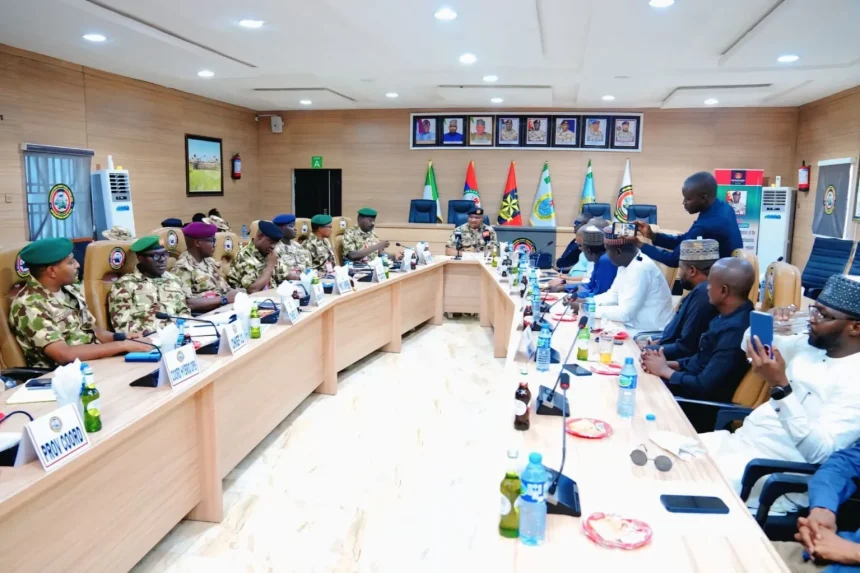
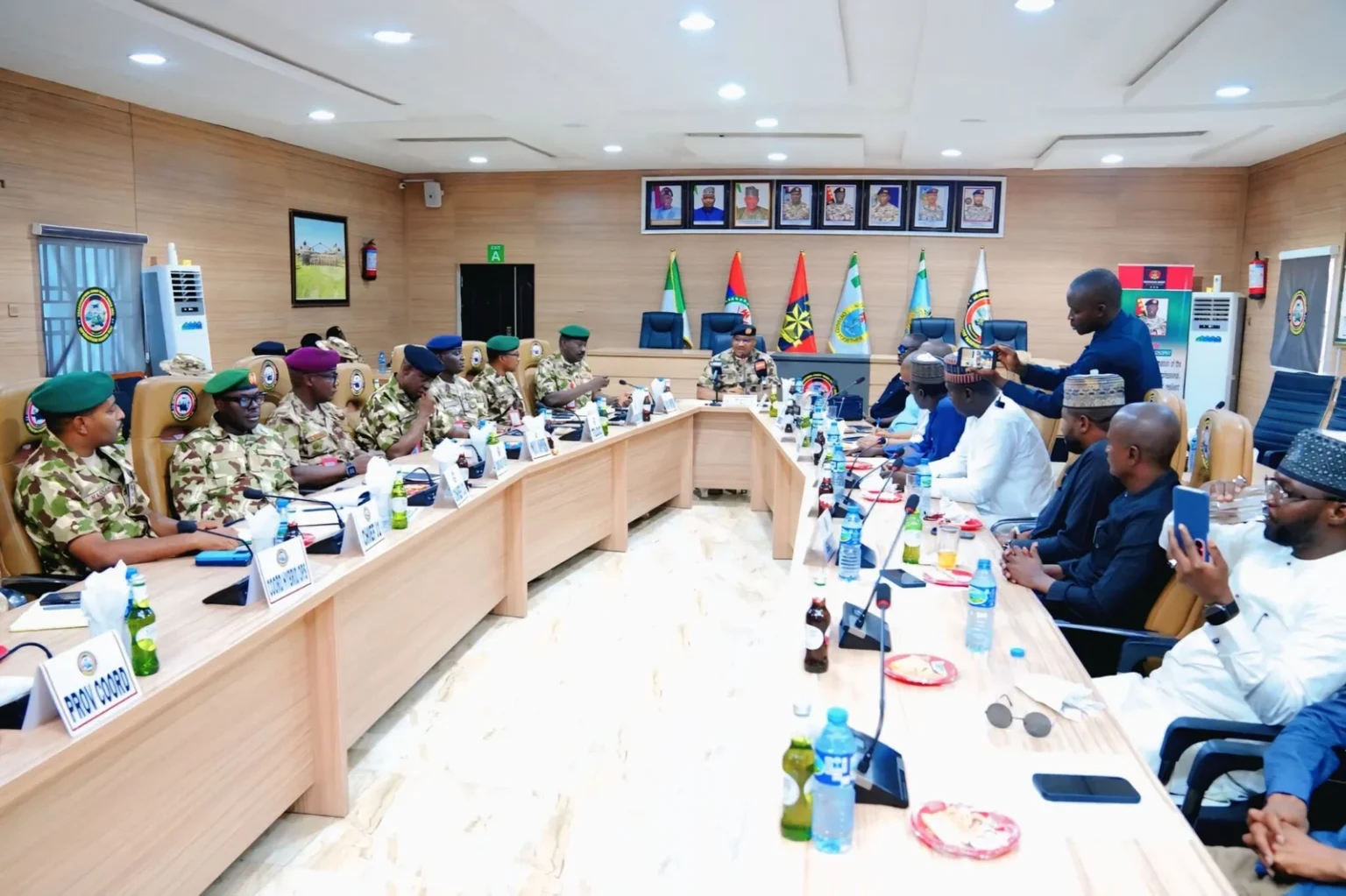
Eko Hot Blog reports that this was disclosed on Wednesday in Maiduguri by Brig.-Gen. Yusuf Audu, commander of the centre, who spoke through Capt. Puole Obinwal during a media briefing.
According to Audu, the facility serves as a central hub for screening and interrogating suspects arrested during counter-insurgency operations against extremist groups such as Boko Haram and ISWAP.
He explained that each suspect undergoes a structured process involving investigation, legal assessment, and classification into one of three categories: prosecution, rehabilitation, or reintegration.
Following recent reviews, over 500 detainees were forwarded for trial, with many already convicted, an outcome he said reflects effective coordination among security and legal institutions.
The centre operates as a multi-agency platform, bringing together personnel from the Nigerian Army, Defence Intelligence Agency, Nigeria Police Force, Department of State Services, Nigerian Correctional Service, Nigeria Security and Civil Defence Corps, National Drug Law Enforcement Agency, and Nigeria Immigration Service.
Legal support is also provided by the Office of the Attorney-General of the Federation.
Audu noted that this collaborative approach strengthens investigations and ensures proper legal procedures are followed.
He added that strict documentation and custody systems are in place, including case file assignments and detailed records for every suspect.
Detainees are housed separately based on categories, with special arrangements for women and children.
The facility also provides healthcare, sanitation, and feeding, supported by infrastructure such as a solar-powered water system installed with assistance from the International Committee of the Red Cross.
In addition, detainees receive psychological and recreational support, along with opportunities to communicate with family members through programmes facilitated by humanitarian organisations.
On legal compliance, Audu said all investigations are conducted under Nigeria’s Terrorism Prevention Act, with oversight from the Federal High Court to ensure adherence to human rights standards.
He highlighted partnerships with international bodies like the International Organisation for Migration, United Nations Office on Drugs and Crime, and UNICEF, which have contributed to infrastructure, data management, and welfare programmes.
The centre also runs vocational training initiatives, including tailoring, farming, and baking, to equip detainees with skills for reintegration after their cases are resolved.
Audu concluded that the centre has made significant progress in handling terrorism-related cases, supported by a multidisciplinary team and sustained collaboration with both local and international partners.
FURTHER READING