- Nigeria’s Digital Switch Over Will Unlock Jobs, Investment – FG
- Restates Commitment to Digital Broadcast Migration for Economic Growth
- Idris described the DSO project as more than a technological shift
The Federal Government has renewed its drive for the full implementation of the Digital Switch Over (DSO) programme, with a focus on job creation, expansion of local manufacturing, improved broadcasting reach and overall economic growth.
Eko Hot Blog reports that the Minister of Information and National Orientation, Mohammed Idris, made this known on Wednesday at the national launch of the DSO project in Abuja.
EDITOR’S PICK
- Phase 2 of Lekki Deep Sea Port to Begin Soon
- If Only God Can End Insecurity, Then What Are We Paying For?
- Lagos Unveils Team for National Robotics Championship After Thrilling State Finals
The DSO initiative, being implemented by the National Broadcasting Commission (NBC), involves Nigeria’s transition from analogue to digital terrestrial television broadcasting. The project is designed to enhance broadcast quality, strengthen the digital economy and free up spectrum for broadband expansion.
Idris said full implementation of the DSO ecosystem would generate employment opportunities, boost local production, widen audience reach, improve content creation, increase advertising revenue and create new income streams for broadcasters and content creators.
“This is why the Federal Government directed the National Broadcasting Commission to continue ensuring the long-term sustainability of the system, increase advertising revenue, and support the viability of this programme,” he said.
The minister added that the success recorded so far was made possible by the commitment of President Bola Ahmed Tinubu, noting that the Renewed Hope Agenda places strong emphasis on digital transformation, innovation and infrastructure development.
He said the President had consistently shown commitment to building a modern communications ecosystem capable of supporting national development, job creation and global competitiveness.
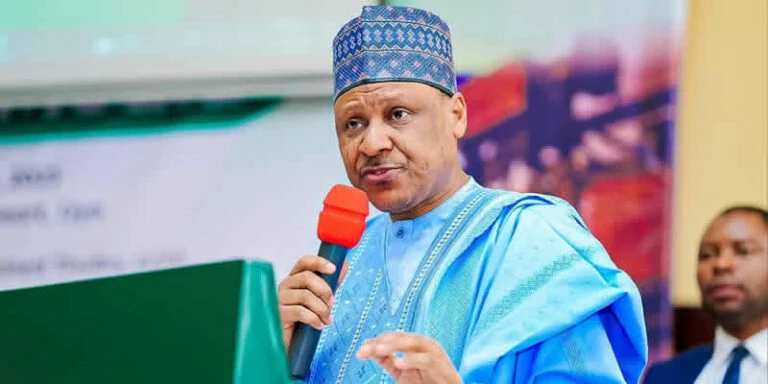
Idris described the DSO project as more than a technological shift, saying it represents a long-term investment in Nigeria’s future digital economy.
He commended the NBC, NIGCOMSAT and other stakeholders in the broadcasting sector for their contributions to the project’s progress, assuring that the government would continue to strengthen local capacity, promote innovation and attract investment into the industry.
Also speaking, the Deputy Speaker of the House of Representatives, Benjamin Kalu, said the National Assembly was working on reforms aimed at strengthening Nigeria’s digital future.
He said the reforms include stronger data protection and cybersecurity frameworks, incentives to expand affordable broadband to underserved communities, promotion of local digital content, and improved spectrum management policies across broadcasting, telecommunications and satellite services.
Kalu also praised the Federal Government for prioritising a digital-led growth strategy under the Renewed Hope Agenda, saying it would help expand economic opportunities and improve global competitiveness.
FURTHER READING
- Lagos, 15 States Reject Senate’s Electricity Amendment Bill
- Terrorism Will Not Be Tolerated, FG Declares as 150 Convictions Recorded
- Drones, Biometrics, AI to Drive Nigeria’s New Border Security Strategy
Click here to watch video of the week