- The Green Chamber fully supports President Bola Tinubu’s borrowing strategy
- Credit would allow Nigeria to finance critical infrastructure
- Responsible borrowing is an oversight and anti-corruption mechanisms
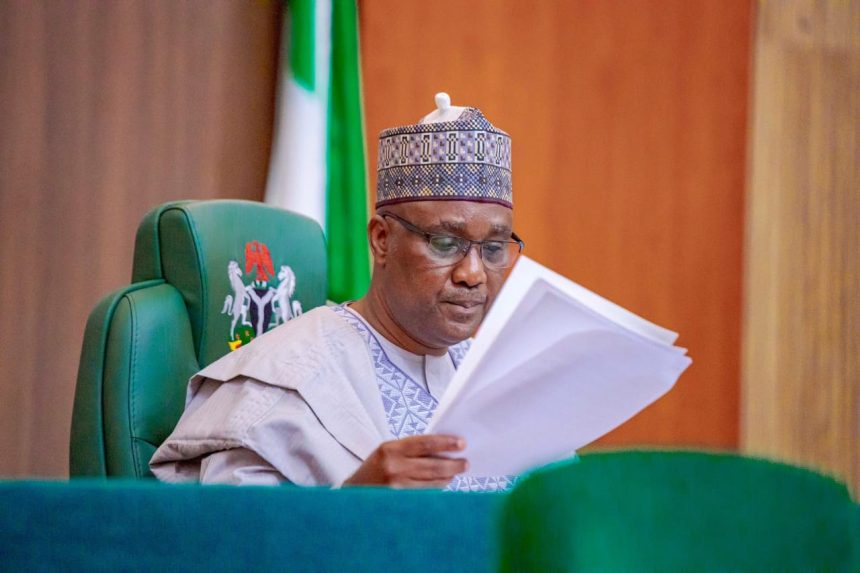
Speaker of the House of Representatives, Tajudeen Abbas, has reaffirmed that the Green Chamber fully supports President Bola Tinubu’s borrowing strategy, describing it as a crucial tool for Nigeria’s economic growth.
EDITOR’S PICKS
- Details Of Atiku’s Meeting With El-Rufai Emerge
- Tinubu’s Administration Prioritising Northern Development – Housing Minister
- JUST IN: Badagry West Vice Chairman Dies, Joins List of Female Council Leaders Dead in Two Months
EKO HOT BLOG reports that Abbas made the clarification on Monday in Abuja while addressing participants at the 8th Annual African Network of Parliamentary Budget Office Conference.
He said recent media reports misrepresented the stance of the House, creating the false impression that lawmakers were opposed to the borrowing plans of the current administration.
Abbas stressed that borrowing, when managed responsibly, is not unusual and remains an essential part of fiscal policy in modern economies.
He explained that credit would allow Nigeria to finance critical infrastructure, stimulate economic expansion, and protect vulnerable populations.
While he added that under President Tinubu’s leadership, borrowed funds were being directed into transformative sectors rather than consumption.
“Like every modern economy, Nigeria must sometimes leverage credit to finance critical infrastructure, stimulate growth, and protect vulnerable populations,” Abbas said, noting that the 10th House and the National Assembly are aligned with the President’s economic vision.
He assured Nigerians that borrowing would remain targeted, transparent, and consistent with Nigeria’s Medium-Term Debt Strategy, guided by international best practices.
According to him, sectors such as power, transport, and agriculture would benefit from the funds, thereby strengthening the nation’s revenue-generating capacity.
The Speaker further noted that plugging financial leakages remains central to sustaining growth, stressing that Nigeria loses about \$18 billion annually to corruption and illicit financial flows.
He argued that responsible borrowing, coupled with reforms in oversight and anti-corruption mechanisms, would help secure Nigeria’s economic future.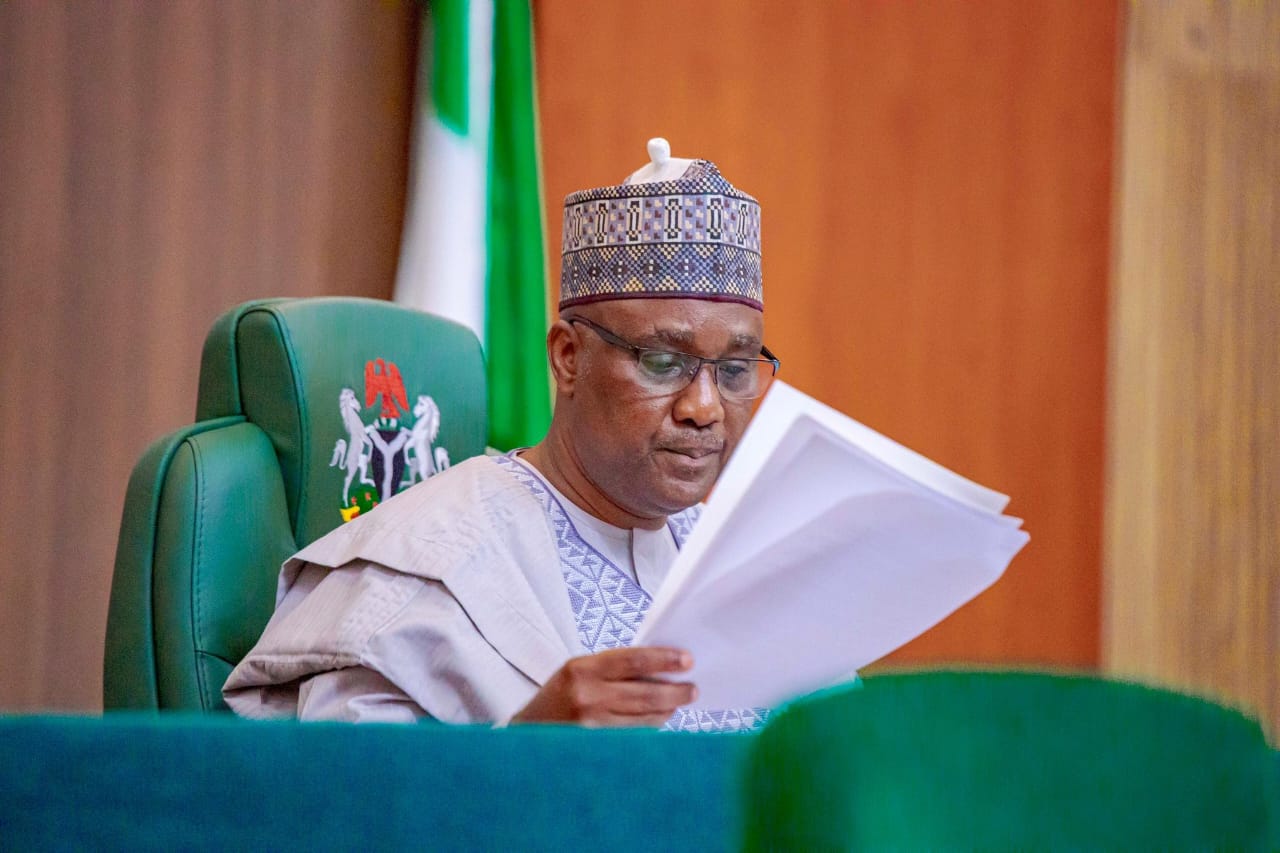
Abbas also highlighted the legislature’s role in ensuring transparency and accountability, insisting that the House stands firmly behind President Tinubu’s strategy of using borrowing as a catalyst for both growth and poverty reduction.
FURTHER READING
- Ebola? What To Know About Suspected Viral Haemorrhagic Fever Cases in Abuja
- Why Africa Must Cut Investment Risks to Attract Capital – EFCC
- Trump Places Harvard on Strict Financial Monitoring