- how El-Rufai introduced him to Obasanjo at age 34
- I refused because I felt he needed to mature.”
- the former president emphasized that true leadership requires character
Former President Olusegun Obasanjo has revealed that he once turned down a suggestion to choose Nasir El-Rufai, then Minister of the Federal Capital Territory, as his successor at the end of his tenure in 2007.
Eko Hot Blog reports that Obasanjo said he turned down the suggestion because he believed El-Rufai, who had served under him as Director-General of the Bureau of Public Enterprises (BPE) and later as Minister of the Federal Capital Territory, was “not mature enough” to handle the leadership of a country as complex as Nigeria.
EDITOR’S PICK
- Nigeria to Deliver 4,000MW Renewable Energy Capacity Under ‘Nigeria First’ Policy
- Rufai Oseni Fails to Defend False Claim to Abike Dabiri-Erewa’s Face
- Imported Petrol Cheaper Than Dangote Refinery as Landing Cost Drops
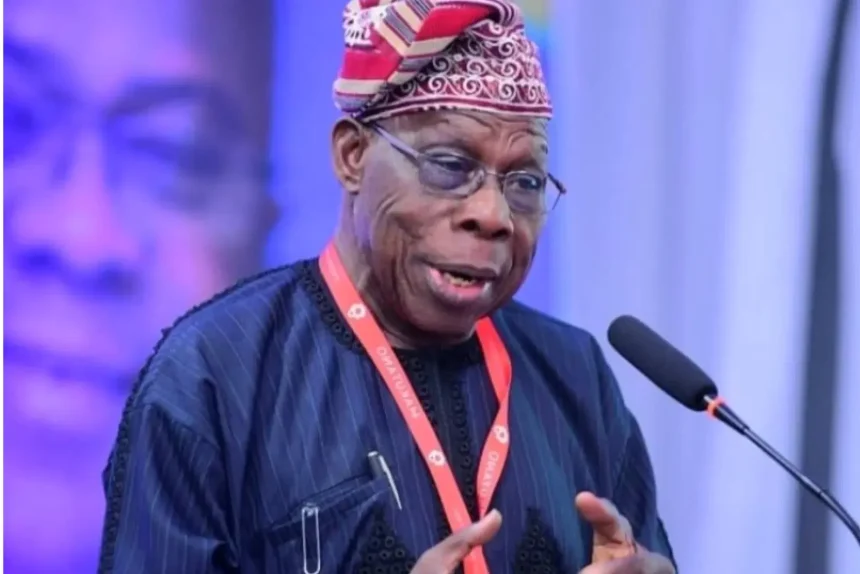
The former president made this disclosure on Friday during the second edition of the Ajibosin Platform Annual Symposium in Abeokuta, Ogun State.
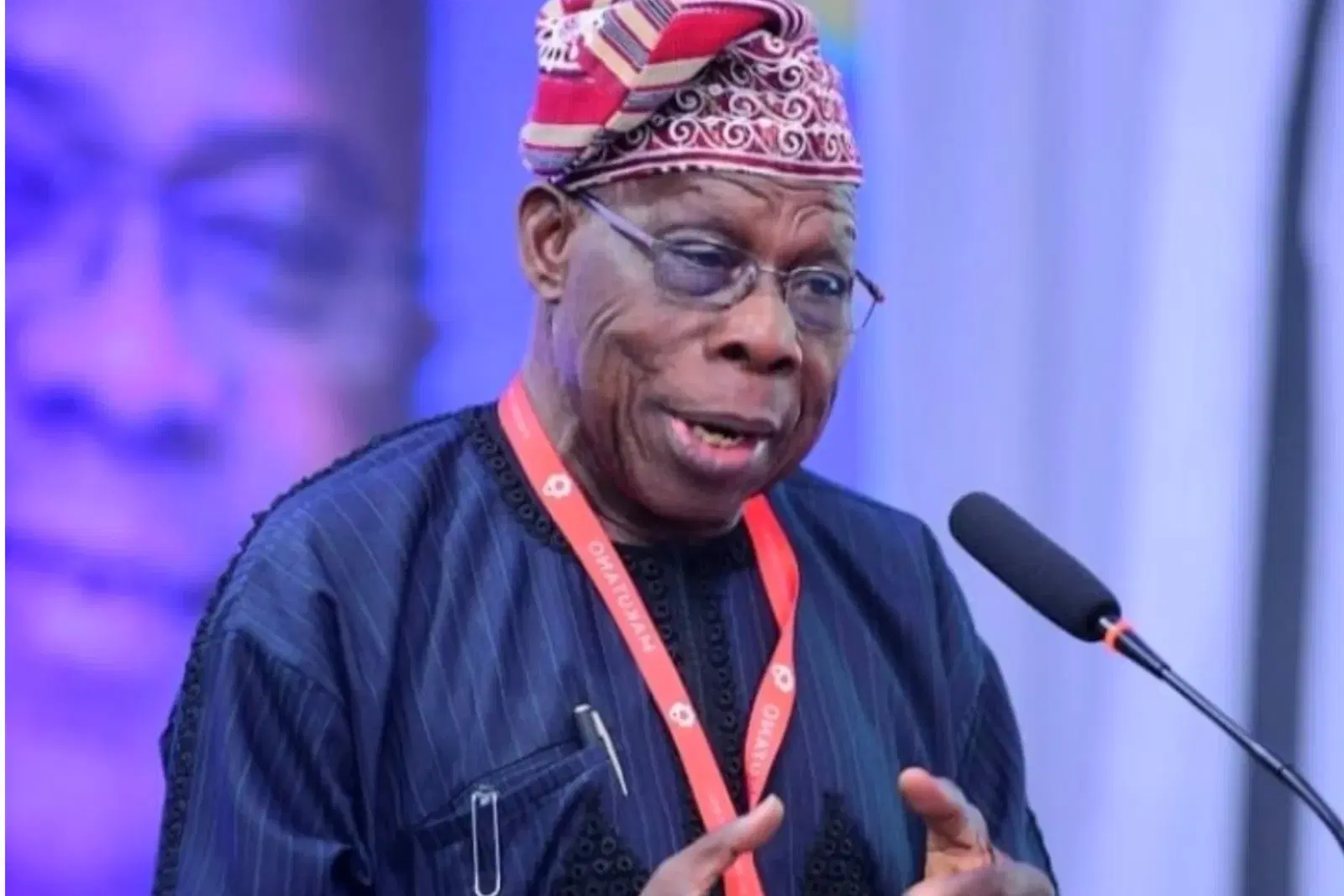
His comments came after former Minister of Aviation, Osita Chidoka, delivered a keynote address and shared how El-Rufai introduced him to Obasanjo at age 34, an encounter that led to his appointment as Corps Marshal of the Federal Road Safety Corps (FRSC).
Interrupting Chidoka’s speech, Obasanjo humorously recalled, “He didn’t mention that when I was leaving government, he was pushing for his friend, El-Rufai, to succeed me. I refused because I felt he needed to mature.” He added that years later, Chidoka agreed with his decision after observing El-Rufai’s political journey.
Obasanjo praised members of his former team, describing them as capable and dedicated individuals who contributed significantly to the success of his administration between 1999 and 2007.
Speaking further, the former president emphasized that true leadership requires character, training, and experience, lamenting the lack of proper leadership grooming in Nigerian politics.
In his keynote address, Chidoka argued that Nigeria’s problems stem not from a lack of ideas but from weak institutions that fail to ensure accountability and continuity. He urged leaders to build strong systems that would make governance effective and sustainable.
FURTHER READING