Nigeria’s economy has begun to show signs of genuine recovery after a decade-long slowdown marked by weak output growth, high inflation, and declining living standards, according to a new research report by Quartus Economics, a Nigerian firm.
The report, titled “Forty Years of Structural Adjustment: Is Africa’s Eagle Stuck or Soaring Back to Life?”, traces the country’s turbulent economic journey from the 1980s to 2025, noting that while stability has returned, deep structural challenges remain.
EDITOR’S PICKS
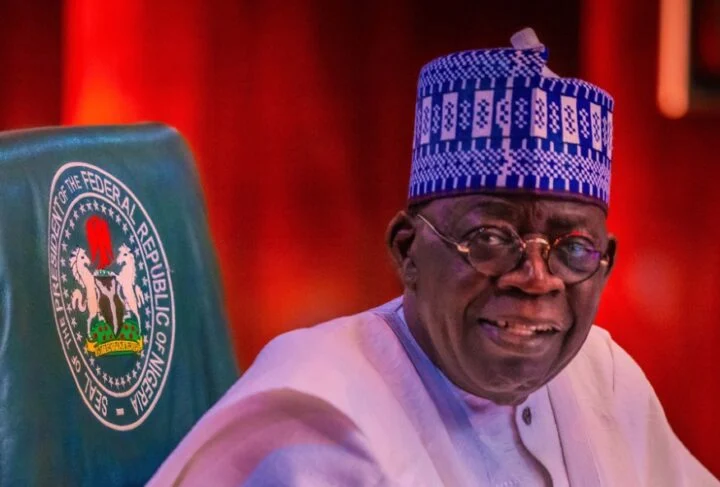
The economic growth rebound has come amid the economic reforms enacted by President Bola Tinubu and the Minister of Finance and Coordinating Minister of the Economy, Wale Edun.
A Decade of Decline and Slow Growth
Quartus Economics described the years between 2014 and 2023 as Nigeria’s most severe growth slowdown in a generation. The report attributed this period of decline to a combination of oil price collapse, restrictive economic policies, rapid population growth, and governance lapses that weakened investor confidence.
“Inflation surged to above 30%, per capita GDP contracted, and capital inflows dwindled to historic lows,” the firm noted, adding that the nation’s situation was “sadly peculiar” among resource-rich developing economies.
Over the period, GDP per capita dropped sharply, from US$4,363 in 2014 to just US$1,084 in 2024, a fall of about 75 percent, while the naira lost 89 percent of its exchange value. The result was a widening gap between population growth and productivity, pushing an estimated 65 million Nigerians into poverty.
Reform Momentum and Early Signs of Renewal
Nigeria’s policy shift beginning in 2023, particularly the removal of petrol and foreign exchange subsidies, was identified by Quartus as a turning point. The firm described these measures as “decisive” and essential to correcting long-standing distortions that had drained public finances and discouraged investment.
Although the reforms initially triggered a spike in inflation, they eventually restored balance to the economy. By 2024, GDP expanded by nearly 4%, and sectors such as manufacturing and mining returned to growth. For the first time in years, economic expansion outpaced population growth.
By October 2025, foreign reserves had risen to $42 billion, inflation had begun to ease, and the naira showed modest stability. “The first signs of renewal began to emerge,” Quartus said, describing this as evidence that Nigeria had “ended a full decade of slowdown, stall, and descent in output growth.”
Stability Restored, But Challenges Persist
Despite the gains, Quartus Economics cautioned that Nigeria’s recovery remains fragile. The firm highlighted lingering issues of weak productivity, a narrow export base, and inefficiencies in public sector governance as key obstacles to sustained progress.
“To accelerate growth and maintain investor confidence, the government must sustain, deepen, and expand recent reforms,” the report advised, stressing the importance of political will and continuity.
It also warned that the nation must address the “backlog effect” of rapid population expansion while growth had stalled, with nearly half of Nigeria’s 230 million citizens under 18 years old.
The report noted that long-term prosperity will depend on a shift toward an enterprise-driven economy capable of producing and exporting goods at scale. “Nigeria, the African eagle, is unstuck yet has not started to soar,” the authors wrote. “Its ability to do so will depend on discipline, continuity, and a shared commitment to lasting transformation.”
FURTHER READING
In summary, while Nigeria has exited its decade of economic stagnation and returned to a path of stable growth, the road ahead demands more than stabilization. Sustained reform, investment in human capital, and a productivity-driven growth model will determine whether the nation merely recovers or truly begins to soar.
Philip Ibitoye is a Special Correspondent with EKO HOT BLOG. Click here to find daily analysis and critical insight on trending issues in Lagos and other parts of Nigeria.
Click here to watch the video of the week below: