
The Economic Community of West African States (ECOWAS) on Wednesday announced a sweeping policy that will halt air ticket taxes across all airports in the subregion from January 1, 2026 — a move expected to significantly reduce airfares and boost cross-border travel.
Chris Appiah, ECOWAS director of transport and communications, disclosed the decision in Abuja on the sidelines of the council of ministers’ meeting, explaining that it forms part of a regional policy approved by heads of state in December 2024.
EDITOR’S PICKS
EKO HOT BLOG breaks down why the move was made and the broader implications.
Why ECOWAS Is Scrapping Aviation Taxes
Appiah said the policy emerged from nearly a decade of studies showing that West Africa has the most expensive air transport services on the continent. He noted that taxes and aviation-related charges account for as much as 64 to 70 percent of the cost of a typical airline ticket within the region — a burden that drives up fares and suppresses demand.
According to him, the high charges are also at odds with International Civil Aviation Organisation (ICAO) guidelines, which discourage excessive taxation because they hinder growth.
“From 1st January 2026, the Heads of State have agreed that all Member States should remove taxes on air transport,” he said, adding that the decision is central to the bloc’s integration agenda built on connectivity and free movement.
How High Costs Hurt the Region
For years, the steep cost of flying within ECOWAS has slowed travel, trade and tourism. Appiah cited the example of business travellers between Lagos and Dakar who often pay no less than $3,000 for a return ticket — much of it driven by taxes rather than base fares.
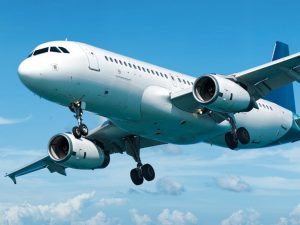
He said these conditions have made West Africa an unattractive aviation market, especially compared with other African subregions where charges are substantially lower.
This disparity, he added, is partly why airlines such as Ethiopian Airlines, South African Airways and Royal Air Maroc have thrived, while West African carriers struggle to grow. High ticket prices, he warned, also impede other sectors such as health, education and commerce that rely on easier travel across borders.
What Happens Next
With the policy now approved, ECOWAS is working with member states, national parliaments and aviation regulators to ensure that implementation is effective by January 2026. The bloc is also engaging airlines to guarantee that fare reductions reflect the scrapped taxes and do not simply shift revenue gaps to passengers.
Appiah said the ultimate goal is to deepen regional integration by making air travel more accessible.
“We stand for regional connectivity,” he emphasised. “Transport is one of the main modes of connecting member states, and if we want West Africans to move freely, we must remove the barriers that keep them apart.”
FURTHER READING
If fully implemented, the measure could mark the most significant shift in West Africa’s aviation landscape in decades — cutting costs, increasing passenger movement and strengthening economic ties across the 15-nation bloc.
Philip Ibitoye is a Special Correspondent with EKO HOT BLOG. Click here to find daily analysis and critical insight on trending issues in Lagos and other parts of Nigeria.
Click here to watch the video of the week below: