- Nigerian Universities Enter New Era with FG–ASUU Agreement
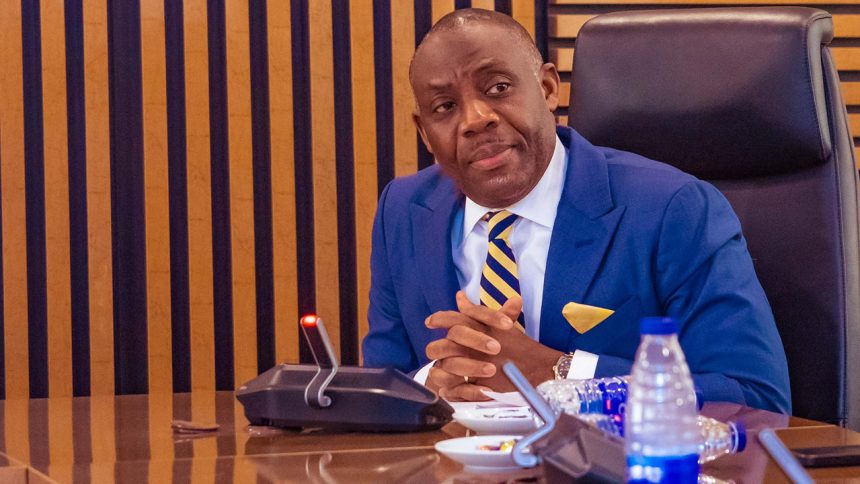
- Dr. Tunji Alausa described the agreement as a decisive turning point for the country’s tertiary education system
- Dr. Alausa praised both the government and ASUU negotiation teams for their efforts
The Federal Government of Nigeria and the Academic Staff Union of Universities (ASUU) have signed a landmark agreement aimed at resolving long-standing disputes over remuneration and welfare in federal tertiary institutions.
Eko Hot Blog reports that the agreement, unveiled at a historic ceremony in Abuja, is expected to usher in a new era of stability, predictability, and excellence for Nigeria’s universities.
EDITOR’S PICK
- Court Remands Portable Over Assault, Theft Charges
- Uganda Orders Internet Shutdown Ahead of Election
- Truck Crash into Church: Epe LG Chairman Calls for Calm, Assures Community Support
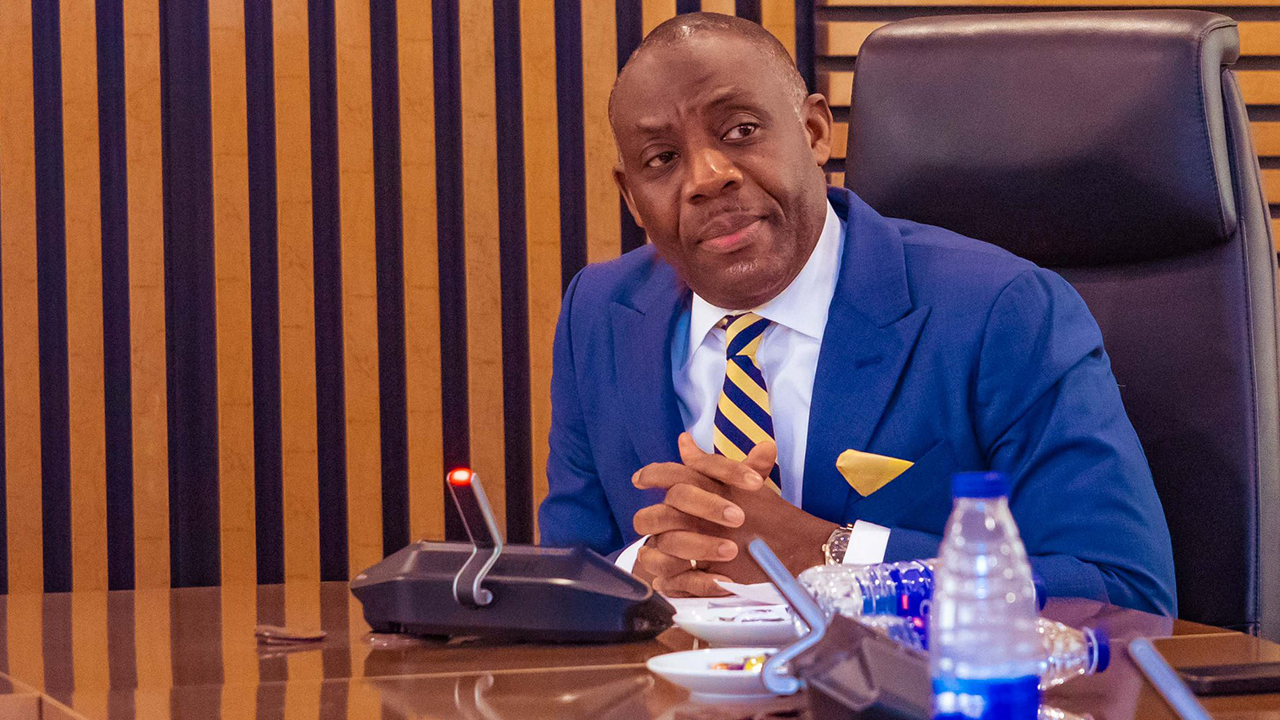
Speaking at the event, the Minister of Education, Dr. Tunji Alausa, described the agreement as a decisive turning point for the country’s tertiary education system, highlighting the personal commitment of President Bola Ahmed Tinubu, GCFR, in addressing decades of unresolved challenges.
“For the first time, a sitting President has taken full ownership of this long-standing issue, demonstrating that education is the bedrock of a productive and prosperous society,” Alausa said.

Key Provisions of the FG–ASUU Agreement
The agreement includes a 40% review of academic staff salaries, effective from January 1, 2026. This increase is represented in the Consolidated Academic Tools Allowance (CATA), which covers essential academic resources such as journal publications, conference participation, internet access, membership of learned societies, and book allowances.
Nine Earned Academic Allowances have been clearly structured and linked to specific duties, including postgraduate supervision, fieldwork, clinical duties, examination moderation, and leadership responsibilities. The design of these allowances aims to enhance productivity, accountability, and fairness across federal universities.
A defining feature of the agreement is the introduction of a Professorial Cadre Allowance, which applies to full-time Professors and Readers. The allowance is structured as follows:
- Professors: ₦1,740,000 per year (₦140,000 per month)
- Readers: ₦840,000 per year (₦70,000 per month)
This allowance is intended to support research coordination, academic documentation, and administrative responsibilities, enabling senior academics to focus on teaching, mentorship, and global knowledge production.
Resolving a Long-Standing Challenge
For decades, unresolved salary issues, welfare gaps, and recurring industrial actions disrupted academic calendars, undermined staff morale, and affected students nationwide. Under President Tinubu’s leadership, the government pursued dialogue over discord and reform over delay, ensuring the resolution was practical, sustainable, and inclusive.
Dr. Alausa praised both the government and ASUU negotiation teams for their efforts:
- Government Re-Negotiating Committee led by Alhaji Yayale Ahmed
- ASUU Negotiating Team led by Professor Pius Piwuna
- Immediate past ASUU President, Professor Emmanuel Osodeke
“History will remember this agreement not only as a resolution of a two-decade-old quagmire, but as a testament to dialogue, transparency, and strong Presidential commitment to education,” Alausa stated.
The agreement is expected to restore confidence among lecturers, ensure uninterrupted academic calendars, and provide millions of Nigerian students and parents with renewed hope for the future of the country’s higher education system.