- Presidency Dismisses Christian Genocide Claims, Pins Narrative on IPOB
- Igbo Socio-Cultural Group Demands Apology
- Says the narrative unfairly portrays Igbo people as instigators of Christian persecution in Nigeria
The Presidency has dismissed claims of a supposed Christian genocide in Nigeria as false narratives propagated by the Indigenous People of Biafra (IPOB).
Eko Hot Blog reports that a report earlier this month by The New York Times suggested that Emeka Umeagbalasi, a trader and leader of the Onitsha-based NGO Intersociety, was behind the narrative, which allegedly influenced actions by former U.S. President Donald Trump and some lawmakers.
EDITOR’S PICK
- FRSC Redeploys Senior Officers Nationwide to Strengthen Operations
- 2026 BECE Registration Begins as Lagos Moves Process Online
- Lagos Lawmakers Justify Demolition of Illegal Structures in Makoko, Oworonsoki
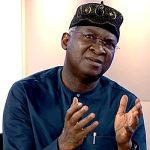
Reacting to the report, President Bola Tinubu’s Special Adviser on Policy Communication, Daniel Bwala, said that emerging facts confirm IPOB as the origin of the false claims. In a statement on his official X account, Bwala reiterated previous interviews where he linked IPOB to the narrative.
Meanwhile, a faction of the apex Igbo socio-cultural group, Ohanaeze Ndigbo, warned The New York Times against publishing unverified and potentially inflammatory reports. The group highlighted that such coverage could provoke unrest and deepen ethnic divisions in Nigeria.
The warning follows a New York Times article alleging that Igbo individuals provided information to the U.S. that led to airstrikes against ISIS elements in Sokoto. Deputy President General of Ohanaeze Ndigbo, Mazi Okechukwu Isiguzoro, strongly refuted the claims, asserting that the Igbo had no involvement in U.S. intelligence operations. He emphasised that the narrative unfairly portrays Igbo people as instigators of Christian persecution in Nigeria, despite the fact that Igbo citizens have themselves been victims.
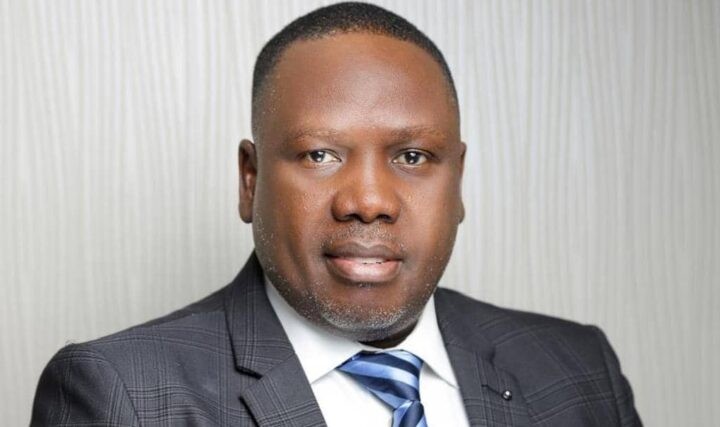
Isiguzoro called for a full retraction and apology from the New York Times, warning that continuing such reporting could incite tribal animosity, particularly against Igbo communities in northern Nigeria.
He noted that attempts to portray an Igbo individual from Onitsha as a key intelligence source mirror propaganda that historically fueled ethnic tensions, including the tragic events of 1966.
The statement stressed:
“The Igbo are not, nor have they ever been, involved in any capacity as intelligence providers or participants in U.S. efforts against terrorist networks in Nigeria, including the recent strikes against ISIS elements in Sokoto.”
While praising ongoing cooperation between the U.S. and Nigeria in combating terrorism, Ohanaeze reiterated that the Igbo people should not be unfairly implicated, highlighting the need for responsible media reporting and historical awareness.
FURTHER READING
- Trump Pushes for Greenland Deal Amid EU Tensions
- Anthony Joshua Crash Driver’s Trial Adjourned to February 25
- Firdaus Prayers Held in Honour of Erelu Aminat Dosunmu
Click here to watch video of the week
https://youtu.be/pojghDrTy7k