The recent controversy over rice donations by Minister of Works, David Umahi, has inadvertently exposed a striking reality about Nigeria’s lawmakers: they may be unfamiliar with the very bureaucratic hurdles ordinary Nigerians navigate daily.
According to TheCable, when members of the House of Representatives were asked to fill forms, present photocopies of their identity cards, and obtain written authorization from their principals before collecting 125kg bags of rice, many rejected the donation outright. EKO HOT BLOG gathered that the lawmakers described the process as “cumbersome and undignified” for elected representatives.
EDITOR’S PICKS
Yet this same procedure mirrors what millions of Nigerians endure regularly when seeking government assistance. Across the country, citizens queue for hours, sometimes days, to access relief materials or even offical documents that they pay for such as an international passport. They fill multiple forms, provide identification documents, and often require endorsements from local government officials or party representatives before receiving far less than what was offered to the lawmakers.
The irony is hard to miss. The legislators who found it beneath their dignity to complete paperwork for rice collection are the same officials who design and approve the policies that subject ordinary citizens to similar, often more complex, bureaucratic processes. From obtaining national identity cards to accessing social intervention programmes, Nigerians routinely face layers of documentation and verification that lawmakers now consider unacceptable for themselves.
The directive that lawmakers collect the rice from Garki International Market, rather than within the National Assembly complex, particularly rankled members. They questioned why they should go to a public market for what they viewed as a routine gesture. Yet this is precisely where many Nigerians must go to collect palliatives when available, often standing in long queues under the sun, jostling with crowds, and hoping the items don’t run out before their turn arrives.
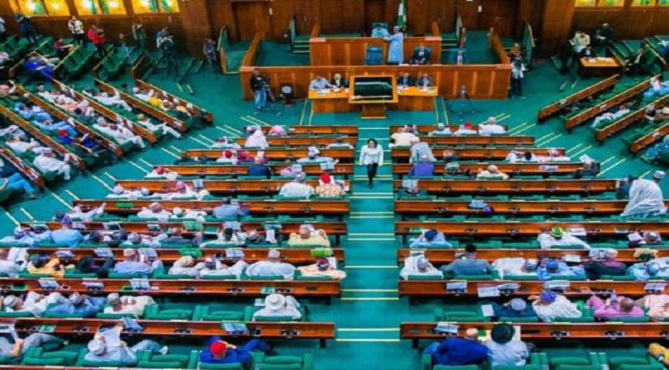
The resistance also highlights a disconnect between lawmakers and the people they represent. While it is true that gift-giving between the executive and legislative branches is common practice, aimed at fostering cooperation, the lawmakers’ reaction suggests they expect special treatment. This expectation stands in sharp contrast to the experiences of constituents who must prove their eligibility and need through exhaustive documentation before accessing government support.
What makes this episode particularly revealing is not the donation itself, but the conditions attached to it. The same verification process that lawmakers found objectionable is often justified by government officials as necessary to prevent fraud and ensure proper distribution. If such procedures are too burdensome for 360 representatives collecting rice, what does that say about imposing them on millions of vulnerable Nigerians seeking assistance?
The suggestion by some lawmakers that the minister should instead take the rice to vulnerable people in Ebonyi state is well-intentioned but somewhat ironic. Those vulnerable people would likely face even more stringent conditions than what the lawmakers rejected, including community verification, biometric registration, and multiple levels of approval.
This incident may offer lawmakers an unexpected opportunity for reflection. By experiencing even a fraction of the bureaucratic obstacles ordinary Nigerians face, they might better understand the frustrations of their constituents. The forms, photocopies, and authorisation letters they found undignified are daily realities for citizens seeking everything from healthcare subsidies to school feeding programmes.
FURTHER READING
Perhaps the real lesson from the rice drama is this: if the process is too cumbersome for lawmakers, it is probably too cumbersome for everyone else. The anger and rejection from representatives could serve as a catalyst for reforming how government distributes assistance to make it more accessible and dignified for all Nigerians, not just the privileged few.
Philip Ibitoye is a Special Correspondent with EKO HOT BLOG. Click here to find daily analysis and critical insight on trending issues in Lagos and other parts of Nigeria.
Click here to watch the video of the week below: