Nigeria’s political landscape has shifted dramatically in the past nine months.
When Governor Agbu Kefas of Taraba State officially defected from the Peoples Democratic Party (PDP) to the All Progressives Congress (APC) on Saturday, the ruling party achieved an unprecedented milestone: 29 out of 36 state governors now belong to the APC.
EDITOR’S PICKS
This represents the most dominant single-party control of governorships in Nigeria’s democratic history.
As the country marches towards the 2027 elections, only seven governors remain outside President Bola Tinubu’s political tent. But how firm is their resistance?
EKO HOT BLOG takes a look at each of them and their political futures.
1. Chukwuma Soludo (Anambra – APGA)
Current Situation: Governor Soludo may technically belong to the All Progressives Grand Alliance (APGA), but he has become President Tinubu’s most vocal supporter amongst opposition governors.
In May 2025, Soludo declared that APGA had officially adopted Tinubu as its candidate for the 2027 presidential election. “Progressives are working together,” he announced during Tinubu’s visit to Anambra.
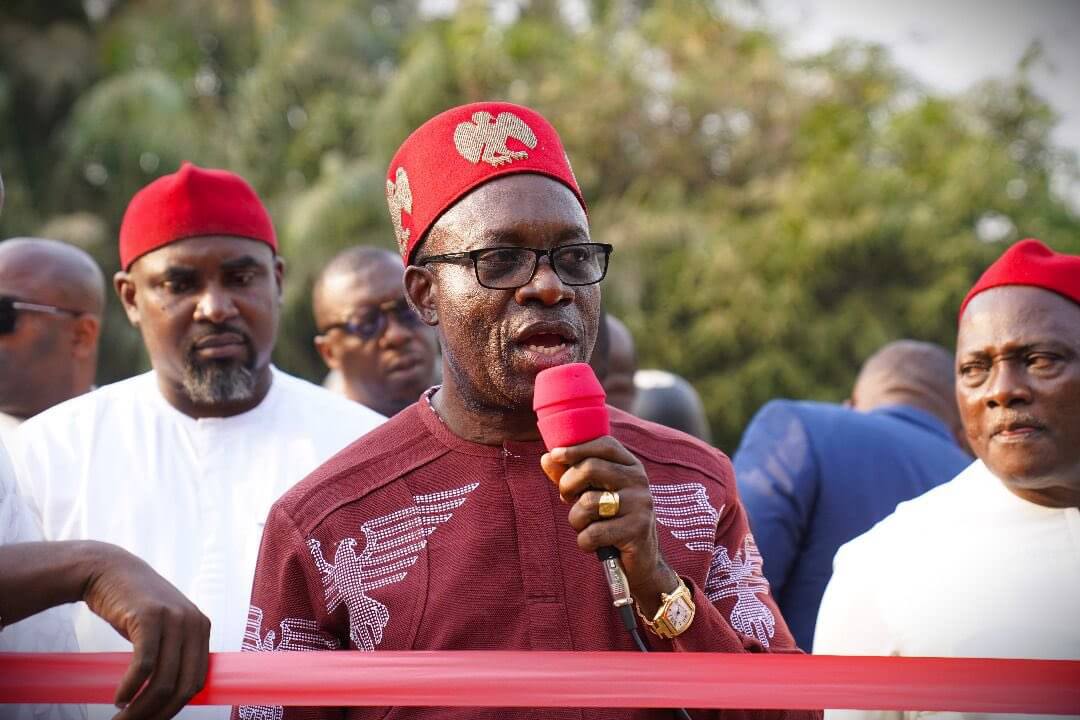
Soludo has repeatedly praised Tinubu’s economic reforms, particularly the removal of fuel subsidy and exchange rate unification.
Rather than positioning APGA as a counterweight to the APC, he has framed Anambra as a partner of the federal government. The APGA national chairman has confirmed the party may formally endorse Tinubu ahead of 2027.
Defection Chances: Low
Soludo has achieved something more valuable than a party card: he has the president’s ear whilst maintaining his political base.
His December 2025 re-election victory with 73 per cent of the vote proves this strategy worked. APGA insiders insist “Professor Soludo is going nowhere,” and they’re right – because he’s already exactly where he wants to be.
2. Ademola Adeleke (Osun – Accord Party)
Current Situation: Governor Adeleke’s political journey reads like a thriller. He won election on the PDP platform, faced rumours of defection to APC, endorsed President Tinubu for 2027 whilst still in the PDP, then defected to Accord Party in December 2025.
Yet through all these twists, one thing remained constant: his support for Tinubu.
Even after joining Accord Party, Adeleke’s commissioner for information confirmed that the governor’s backing for Tinubu’s second term remains “unwavering.”
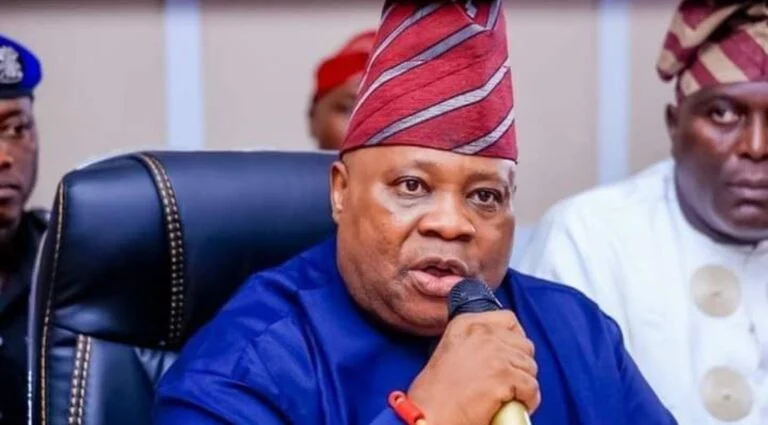
Local APC power brokers reportedly blocked his entry into the party, forcing him to find alternative political shelter. Adeleke has described Tinubu as “a proud son of Osun State,” citing the president’s ancestral roots in the state.
Defection Chances: Low
Adeleke is an opposition governor only in name. His support for Tinubu is public and enthusiastic. The question isn’t whether he wants to join the APC, but whether the party’s local structures will eventually accommodate him.
It remains to be seen whether the Osun governor will again seek to join the ruling party if he wins re-election as an Accord party member.
3. Seyi Makinde (Oyo – PDP)
Current Situation: Governor Makinde stands as the most defiant of the remaining opposition governors.
In December 2025, he declared emphatically: “I am not APC, and I am not about to become APC.” Unlike his colleagues, Makinde has built genuine electoral strength in Oyo State, where his performance has translated into cross-party goodwill.

Makinde has criticised the “winner-takes-all” approach to politics and called for genuine collaboration across party lines. Whilst he acknowledges that Nigeria’s progress requires leaders working together regardless of political affiliation, he has drawn a firm line against defection. His stance appears rooted in principle rather than political calculation.
Defection Chances: Very low
Makinde’s electoral strength makes defection more risky than beneficial. He has built a formidable political machine in Oyo State and sees no strategic advantage in abandoning it.
Analysts note that defection would likely cost him more politically than it would gain. Of all seven remaining opposition governors, Makinde appears the least likely to join the APC bandwagon.
4. Bala Mohammed (Bauchi – PDP)
Current Situation: As chairman of the PDP Governors’ Forum, Bala Mohammed represents what remains of organised opposition amongst state executives.
His administration has faced intense federal scrutiny, with investigators recently filing charges of terrorism financing against the state’s finance commissioner and other officials. Mohammed’s allies describe this as sustained pressure on his administration.
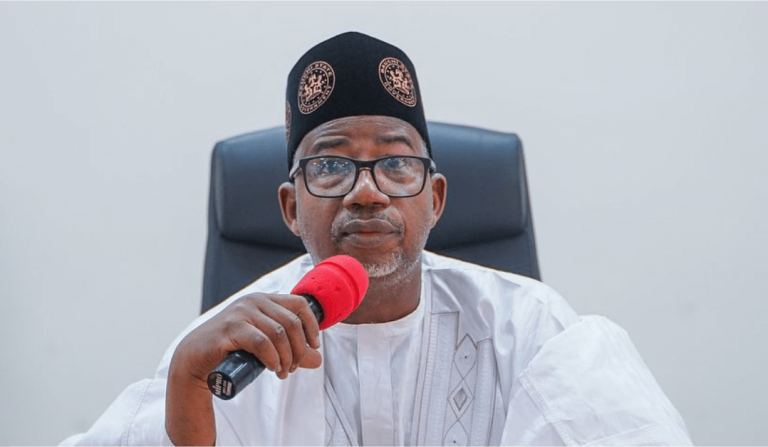
Despite the mounting pressure, Mohammed has remained steadfast in the PDP, positioning himself as a focal point for resistance. He has been vocal in opposing what he terms the “sustained effrontery of the current APC government against democratic order.”
Defection Chances: Low
The pressure on Mohammed’s administration is real and intensifying. However, as PDP Governors’ Forum chairman, defection would represent a huge symbolic defeat for the opposition.
Mohammed may be calculating whether holding out offers more political currency than joining the ruling party. The decision may ultimately depend on how much pressure the federal government continues to apply and whether the PDP can mount a credible challenge in 2027 as its leadership remains embroiled in a legitimacy crisis.
5. Ahmadu Fintiri (Adamawa – PDP)
Current Situation: Governor Fintiri has adopted what analysts call “strategic ambiguity.”
When asked about defection rumours in December 2025, he responded cryptically: “I am a grassroots politician. What will happen, when it happens, then you can judge me.” He added that he’s “still trying to organise the PDP which is my party.”
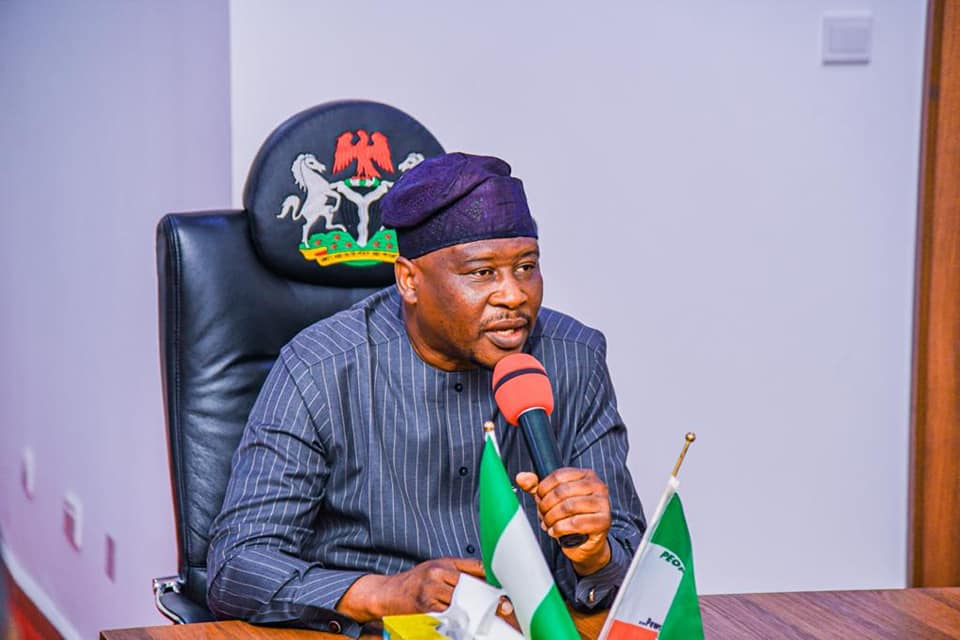
Fintiri has focused on political balance whilst avoiding direct confrontation with the federal government. Aides say his continued loyalty to the PDP reflects an effort to preserve stability in politically sensitive Adamawa State, where sudden realignments could fracture delicate alliances.
Defection Chances: Moderate to high.
Fintiri’s refusal to dismiss defection speculation whilst also not confirming it suggests he’s keeping his options open. His careful balancing act indicates a politician weighing his choices.
Unlike Makinde’s firm rejection or Soludo’s open embrace, Fintiri appears to be waiting to see which way the political wind blows before making his move.
6. Alex Otti (Abia – Labour Party)
Current Situation: Governor Otti occupies perhaps the most complex political position. He won election as the only Labour Party governor in the country, yet faces constant speculation about defection to the APC and the surging opposition platform, the African Democratic Congress (ADC).
In January 2026, he acknowledged this uncertainty, saying: “Nobody knows tomorrow. But today, I am still in the Labour Party.”
Otti has engaged with President Tinubu on issues like the release of IPOB leader Nnamdi Kanu, which has fuelled defection rumours.
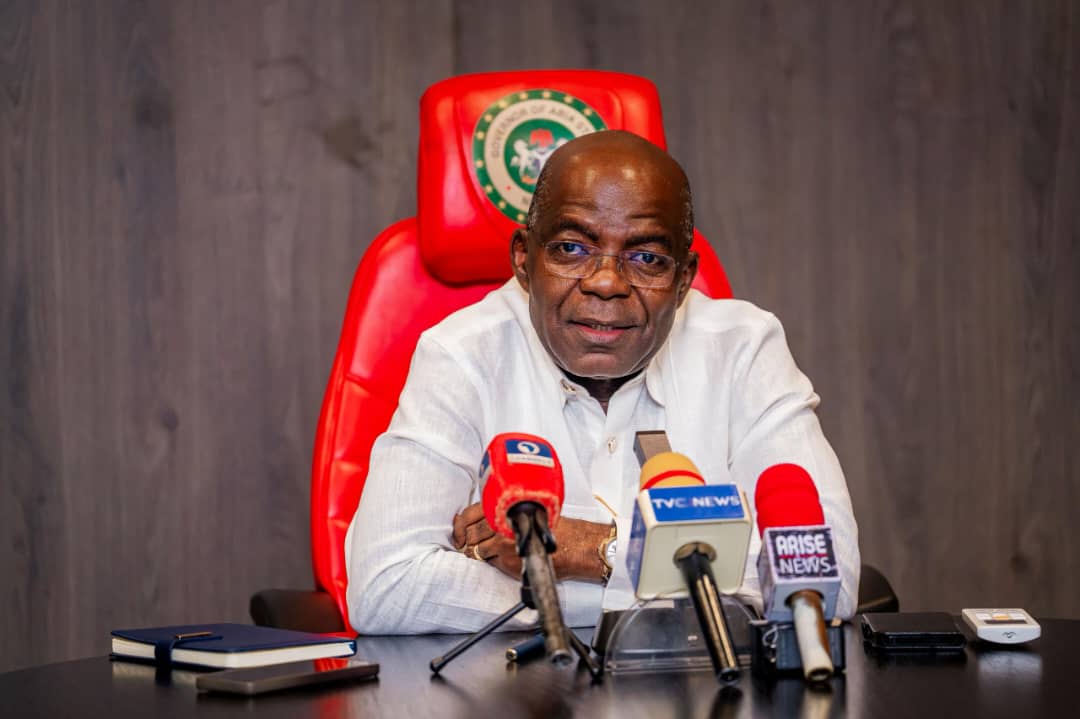
However, he’s also clashed with APC chieftains like Senator Orji Kalu, who has openly declared he’ll support the APC against Otti in 2027. The relationship is complicated: Otti needs federal cooperation for governance but faces hostility from local APC structures.
Defection Chances: Low
Otti’s political calculations are intricate. Whilst he’s shown willingness to work with the Tinubu administration, he also faces opposition from entrenched APC interests in Abia.
His strong 2023 victory indicates that he has a genuine base that might not follow him to the APC. For now, Otti appears to be maintaining his Labour Party identity whilst keeping cordial relations with the presidency – a tightrope walk that may not be sustainable through 2027.
7. Dauda Lawal (Zamfara – PDP)
Current Situation: Governor Lawal presides over a state marked by insecurity and deep skepticism towards political elites. His 2023 victory, which ended APC dominance in Zamfara, was widely seen as a protest against entrenched political structures.
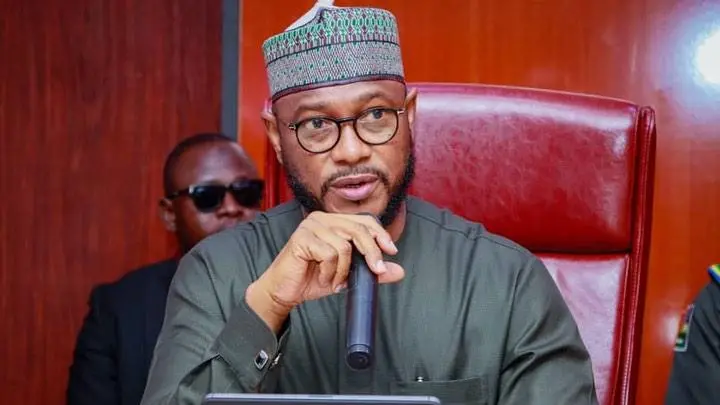
In January 2026, the Zamfara APC issued a strong denial of rumours that Lawal had sent a defection letter, calling such reports “fabricated” and “malicious.”
Defection Chances: Very low
There are little or no indications that Lawal, who remains deeply involved with the PDP leadership, plans to leave the party ahead of the 2027 elections.
The Bottom Line
Of these seven governors, only two – Makinde and Lawal – appear genuinely committed to remaining outside the APC.
Soludo and Adeleke have already endorsed Tinubu for 2027, making them opposition governors only on paper. Fintiri and Mohammed are under pressure and keeping their options open. Otti is in a category of his own, trying to work with the presidency whilst maintaining independence.
FURTHER READING
The 2027 elections will determine whether this group of seven shrinks further or whether Nigeria’s opposition can mount a credible challenge. For now, President Tinubu’s political dominance appears nearly complete, with 29 governors in his camp and most of the remaining seven either sympathetic or under siege.
Philip Ibitoye is a Special Correspondent with EKO HOT BLOG. Click here to find daily analysis and critical insight on trending issues in Lagos and other parts of Nigeria.
Click to watch the video of the week below: