- Capital Importation Rises to $21bn as Nigeria Records Trade Surplus
- Non-Oil Exports Hit $6.1bn in 2025
- Seeks Higher 2026 Capital Budget to Drive Renewed Hope Agenda
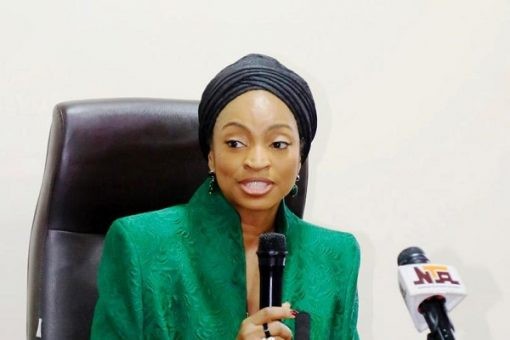
The Minister of Industry, Trade and Investment, Dr Jumoke Oduwole, on Tuesday disclosed that Nigeria’s non-oil exports rose to about $6.1bn in 2025, marking the highest growth recorded so far, Eko Hot Blog reports.
Speaking while defending the ministry’s 2026 budget proposal before the House Committee on Commerce, Oduwole said the country also recorded total capital importation of approximately $21bn in the first 10 months of 2025.
EDITOR’S PICK
- Sanwo-Olu Administration Supports 300 Residents with Eko Cares Cheques
- Sanwo-Olu Launches Roadmap for Lagos International Financial Centre
- Police Probe Death of 10-Year-Old Girl Discovered at Dump Site in Sokoto
This represents a significant increase from about $12bn in 2024 and less than $4bn in 2023.
She explained that the ministry concentrated on translating policy into measurable economic outcomes through improved coordination, stakeholder engagement and practical facilitation of investments.
According to her, Nigeria posted a trade surplus in 2025, with total trade valued at approximately ₦113tn in the first 3 quarters of the year. Exports grew by about 11% year-on-year to $6.1bn, the highest in both value and volume.
Despite these gains, Oduwole requested an upward review of the ministry’s 2026 capital allocation of ₦2.72bn to fast-track implementation of President Bola Tinubu’s Renewed Hope Agenda.
She revealed that in 2025, the ministry received ₦11.80bn for personnel and overhead costs, which were fully utilised. However, none of the ₦3.89bn capital allocation was released. She added that the ministry exceeded its revenue target by about ₦100m and remitted the full amount to the Consolidated Revenue Fund.
Oduwole said the 2026 budget proposal contains targeted programmes aimed at stimulating economic growth but noted that the allocation may be insufficient to fully meet the ministry’s responsibilities and execution priorities.
Highlighting performance indicators, she said Special Economic Zones generated over $500m in export revenue and created more than 20,000 direct jobs. The ministry also resolved about 50 investor bottlenecks, helping to move projects from proposal stage to implementation.
She added that the ministry conducted more than 100 bilateral investment engagements locally and internationally, strengthening ties with countries such as the UAE, Brazil and Japan, while deepening strategic partnerships with the United States and the United Kingdom. Under the Nigeria–UK Economic and Trade Partnership, UK investors accounted for about 65% of Nigeria’s foreign capital inflows in 2025.
The minister reaffirmed that the focus remains “Nigeria First,” prioritising local production and non-oil exports, while engaging both domestic and global investors to strengthen the country’s productive base.
Chairman of the House Committee on Commerce, Ahmed Munir Lere, pledged the committee’s support to help the ministry achieve its mandate. He said the focus must shift from merely exhausting budgetary allocations to ensuring value for money and measurable impact.
Munir stressed the need to transform Nigeria from a consumption-driven economy into a production powerhouse, emphasising support for small and medium enterprises, local content development and improved trade infrastructure under the African Continental Free Trade Area framework.
FURTHER READING
- Insecurity Is Unacceptable, We Will Defeat Terrorism – Tinubu
- ASUU Agreement: FG Commences Payment of Enhanced Academic Allowances
- Police Nab Edo Man Who Faked Abduction to Cover Gambling Loss
Click here to watch the video of the week
https://youtu.be/552knBEVttI