- He added that speculation about Kwankwaso possibly aligning with the African Democratic Congress may have contributed to the move
- El-Rufai described Kwankwaso’s inclusion in a proposed U.S. bill as unjust and politically motivated
- He noted that Zamfara was the first state to adopt Sharia and argued that if any governor were to be cited in such a context
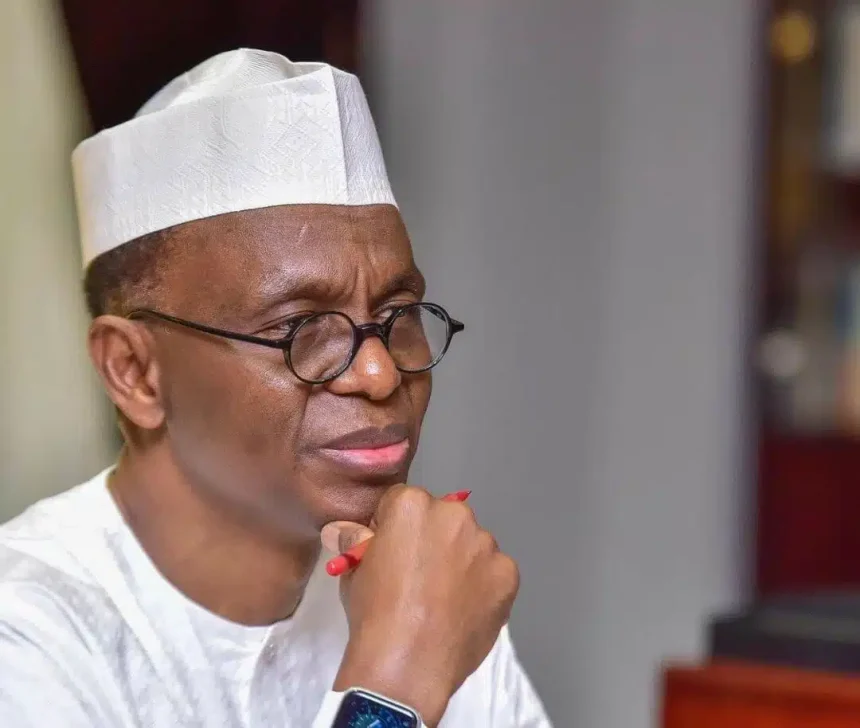
Former Kaduna State governor, Nasir El-Rufai, has alleged that President Bola Tinubu’s administration could be linked to efforts by a United States lawmaker to place former Kano State governor Rabiu Kwankwaso on a proposed sanctions list over alleged religious freedom violations.
El-Rufai suggested that the development might be politically driven, pointing to Kwankwaso’s refusal to join the ruling All Progressives Congress, Eko Hot Blog reports.
EDITOR’S PICK
- Senate Approves Electronic Transmission of Polling Unit Results
- Nigeria Reopens Kamba, Tsamiya Borders to Boost Cross-Border Trade
- Ibeju-Lekki LG Announces ATM Card Distribution for 3rd Batch CCT Beneficiaries
He added that speculation about Kwankwaso possibly aligning with the African Democratic Congress may have contributed to the move.
Speaking during an appearance on Prime Time on Arise TV Friday, El-Rufai described Kwankwaso’s inclusion in a proposed U.S. bill as unjust and politically motivated.
The proposed legislation was introduced by Congressman Riley Moore, who represents West Virginia. Announcing the bill on X (formerly Twitter), Moore said it was co-sponsored by Chris Smith of New Jersey.
The proposed law, titled the Nigeria Religious Freedom and Accountability Act of 2026, seeks to impose targeted sanctions, including visa restrictions and asset freezes, on individuals and groups accused of involvement in religious freedom violations in Nigeria.
Among those named in the proposal are Kwankwaso, Fulani-ethnic nomadic militias, the Miyetti Allah Cattle Breeders Association of Nigeria, and Miyetti Allah Kautal Hore.
Reacting to the development, El-Rufai questioned why Kwankwaso was singled out when several northern governors had implemented Sharia law policies in their states.
He noted that Zamfara was the first state to adopt Sharia and argued that if any governor were to be cited in such a context, others should also be mentioned.
He further alleged that political interests may be influencing the move, urging Nigerians to be cautious and not be swayed by what he described as foreign political manoeuvring.
According to him, the narrative of religious persecution in Nigeria is being amplified to serve domestic political interests in the United States, particularly among conservative Christian voters.
El-Rufai stressed that Nigeria’s primary concern should be addressing its internal security challenges.
He expressed regret over the government’s inability to guarantee safety for citizens regardless of faith, stating that both Christians and Muslims are vulnerable.
The former governor also faulted the country’s security framework, arguing that it requires urgent review and restructuring to ensure that Nigerians feel protected and secure.
FURTHER READING