- FG Plans NHIA Coverage for Haemophilia Treatment
- As coalition flays release of 0.016% of 2025 health capital budget
- Stakeholders Demand Dedicated Funding for Haemophilia Care
The Federal Government has underscored the urgent need to improve diagnosis, strengthen treatment pathways and build sustainable systems of care to address the high burden of inherited blood disorders (IBDs) in Nigeria, Eko Hot Blog reports.
This comes as the Health Sector Reform Coalition (HSRC) Nigeria criticised the release of only N36 million out of the N218 billion capital budget allocated to the Federal Ministry of Health and Social Welfare in 2025, describing the figure as unacceptable and indicative of systemic weaknesses in public financial management.
EDITOR’S PICK
- Sanwo-Olu Administration Supports 300 Residents with Eko Cares Cheques
- Sanwo-Olu Launches Roadmap for Lagos International Financial Centre
- Police Probe Death of 10-Year-Old Girl Discovered at Dump Site in Sokoto
Nigeria bears one of the highest global burdens of inherited blood disorders, including haemophilia and sickle cell disease, which continue to contribute to significant morbidity, mortality and socio-economic challenges. Despite donor-supported initiatives, access to diagnosis and comprehensive care remains limited and uneven across the country.
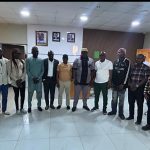
Speaking at the Nigeria Inherited Blood Disorders Leadership Forum in Abuja, Director of Hospital Services at the Federal Ministry of Health and Social Welfare, Dr. Adegoke Abisola, emphasised the need for collaboration, sustainable investment and policy integration to improve patient outcomes.
She said the government is working to strengthen treatment centres, improve data collection, update clinical guidelines and ensure access to quality and affordable services. Plans are also underway to secure the availability of factor concentrates and integrate haemophilia treatment into the National Health Insurance Authority (NHIA) benefits package.
Professor Omolade Augustina Awodu of the University of Benin Teaching Hospital noted that although Nigeria has the expertise to manage inherited blood disorders, gaps in domestic financing, policy coordination and integration continue to hinder progress. She described the leadership forum as a platform to align national priorities with patient realities and foster long-term partnerships.
Professor Sulaimon Akanmu of the University of Lagos identified under-diagnosis as a major challenge, estimating that about 18,000 Nigerians could be living with haemophilia based on population data.
Similarly, Professor Titilope Adeyemo of the Lagos University Teaching Hospital Haemophilia Treatment Centre said only about six per cent of estimated haemophilia cases in Nigeria are diagnosed, compared with much higher rates in developed countries. He also highlighted the high cost of treatment and limited availability of specialised testing facilities, mostly concentrated in urban centres.
Chairman of the forum, Professor Wuraola Shokunbi, called for dedicated government funding for haemophilia care, noting that several countries operate specific budget lines for the disorder.
Meanwhile, HSRC Chairman, Dr. Muhammed Lecky, warned that the minimal release of capital funds could undermine health sector reforms under the Nigeria Health Sector Renewal Investment Initiative (NHSRII). He stated that inadequate financing threatens infrastructure development, equipment procurement and health workforce retention.
Lecky also expressed concern over the overall allocation of 4.98 per cent of the N58.4 trillion federal budget to the health sector, describing it as far below the 15 per cent target set under the Abuja Declaration. He further raised issues about lack of detailed breakdowns for certain capital projects in the 2026 budget.
Lead Director of the Centre for Social Justice, Eze Onyekpere, highlighted the potential of expanded health insurance coverage through the National Health Insurance Authority, urging greater sensitisation to improve enrollment and funding sustainability.
Stakeholders at the forum agreed that without predictable financing, improved policy coordination and stronger health systems, Nigeria’s response to inherited blood disorders would remain fragile.
FURTHER READING
- Insecurity Is Unacceptable, We Will Defeat Terrorism – Tinubu
- ASUU Agreement: FG Commences Payment of Enhanced Academic Allowances
- Police Nab Edo Man Who Faked Abduction to Cover Gambling Loss
Click here to watch the video of the week
https://youtu.be/552knBEVttI