- The 2023 general election even saw a decline in female lawmakers at the federal level
- Other advocates called for the bill to include provisions for women and girls with disabilities
- They argue that without such interventions, women will continue to face barriers that limit access to elective positions
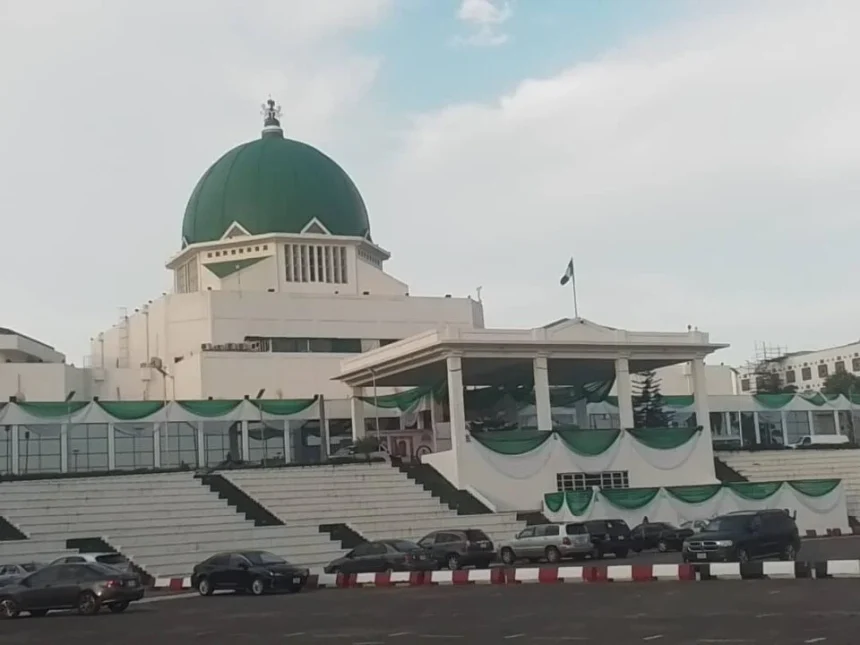
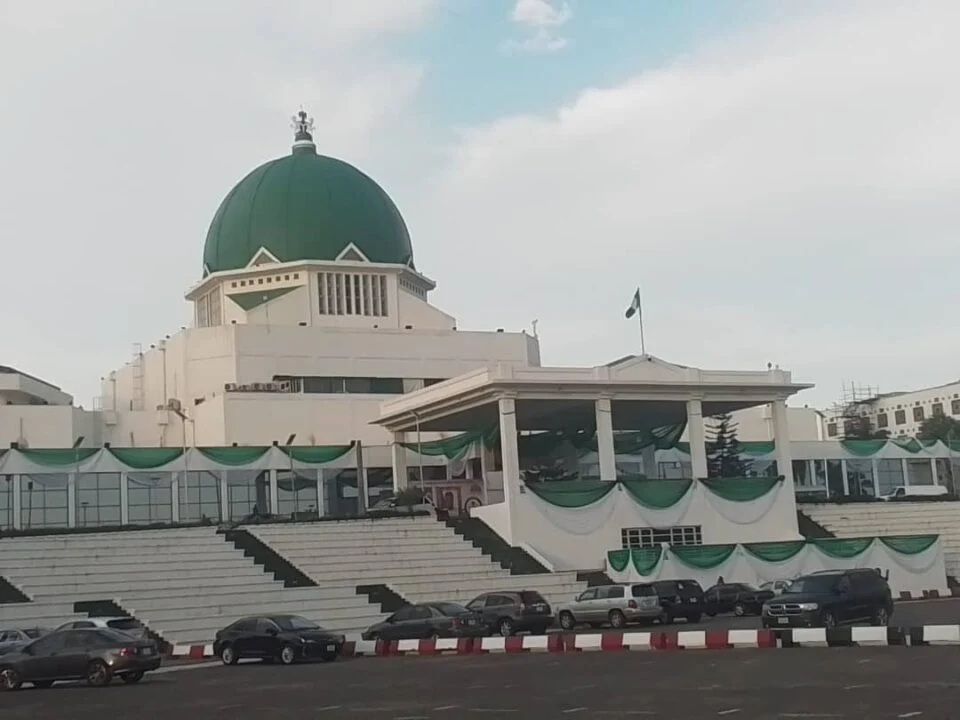
On Monday, dozens of women peacefully gathered outside the National Assembly, calling on lawmakers to expedite the passage of the Women Reserved Seats Bill before the 2027 general election.
Eko Hot Blog reports that the bill, part of 44 proposed constitutional amendments awaiting final approval, seeks to reserve legislative seats for women at both the federal and state levels.
EDITOR’S PICK
- Grand Wedding Reception: Halimot, Saheed Mark Their Union
- Ikosi-Ejinrin LCDA Celebrates Former Chairman, Hon. Segun Adetola, on Birthday
- Sanwo-Olu Flags Off Free Eye Screening for 1,000 Lagos Police Officers
Its aim is to address the consistently low number of women in Nigeria’s legislative bodies by creating constituencies exclusively for female candidates.
During the rally, Ene Obi, former convener of the Nigeria Civil Society Situation Room, urged lawmakers not to delay the bill’s passage.
She emphasized that early approval would allow political parties and prospective female candidates sufficient time to prepare for upcoming elections.
“A vote for women is a vote for progress. We are here peacefully, requesting the National Assembly to act without delay,” Obi said.
Rahila Dauda, representing the International Federation of Women Lawyers, criticized the current gender imbalance in Nigeria’s legislature.
“It is unacceptable that women, who make up more than half the population, hold only a handful of seats in the Senate and House of Representatives. The time for action is now,” she said.
Other advocates called for the bill to include provisions for women and girls with disabilities, arguing that legislative representation should reflect inclusion for all marginalized groups.
Currently, Nigeria has one of the lowest rates of female representation in parliament in Africa. Since the return to democratic governance in 1999, women’s participation in elective offices has remained minimal.
The 2023 general election even saw a decline in female lawmakers at the federal level, prompting renewed calls for structural reforms.
Supporters of reserved seats point to countries like Rwanda, Senegal, and South Africa, where gender quotas have significantly increased women’s representation.
They argue that without such interventions, women will continue to face barriers that limit access to elective positions. Critics, however, maintain that reserved seats may challenge principles of equal electoral competition.
FURTHER READING