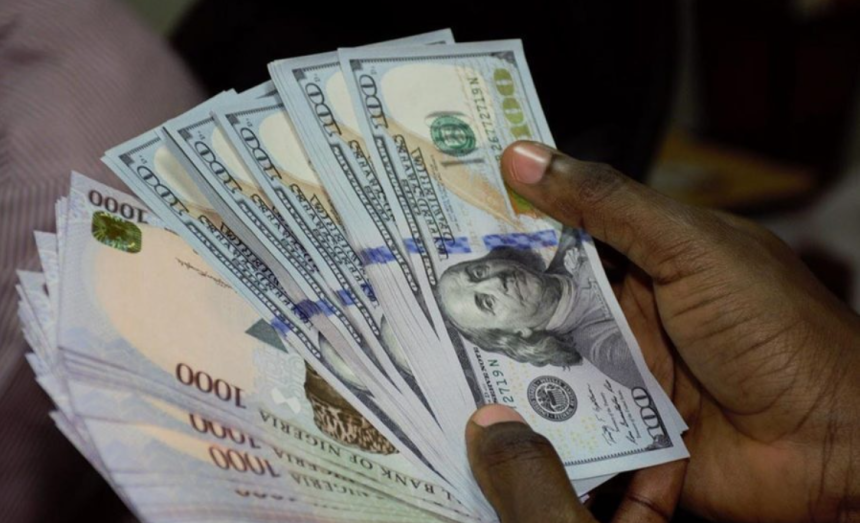
Nigeria’s foreign exchange reserves have reached $48.5 billion — the highest level in nearly 13 years.
The last time the country’s reserves stood this high was May 2013, when they touched $48.51 billion.
EDITOR’S PICKS
For a nation that has spent much of the past decade battling currency volatility, dwindling dollar supply, and economic turbulence, this milestone is more than a statistical footnote. It is a signal, though not yet a guarantee, that the economic tide may be turning.
EKO HOT BLOG explores what this development means for Nigeria.
A Vote of Confidence in Reform
The rise has not come overnight. Data from the Central Bank of Nigeria (CBN) shows that reserves climbed by 6.45 per cent — or $2.94 billion — in the year to date, growing from $45.56 billion at the start of January to $48.5 billion.
This steady accumulation reflects, in part, the impact of the foreign exchange reforms the CBN has pursued over the past year, including moves to unify exchange rate windows and reduce the gap between official and parallel market rates.
When a central bank holds more foreign reserves, it gains greater firepower to defend the value of its currency.
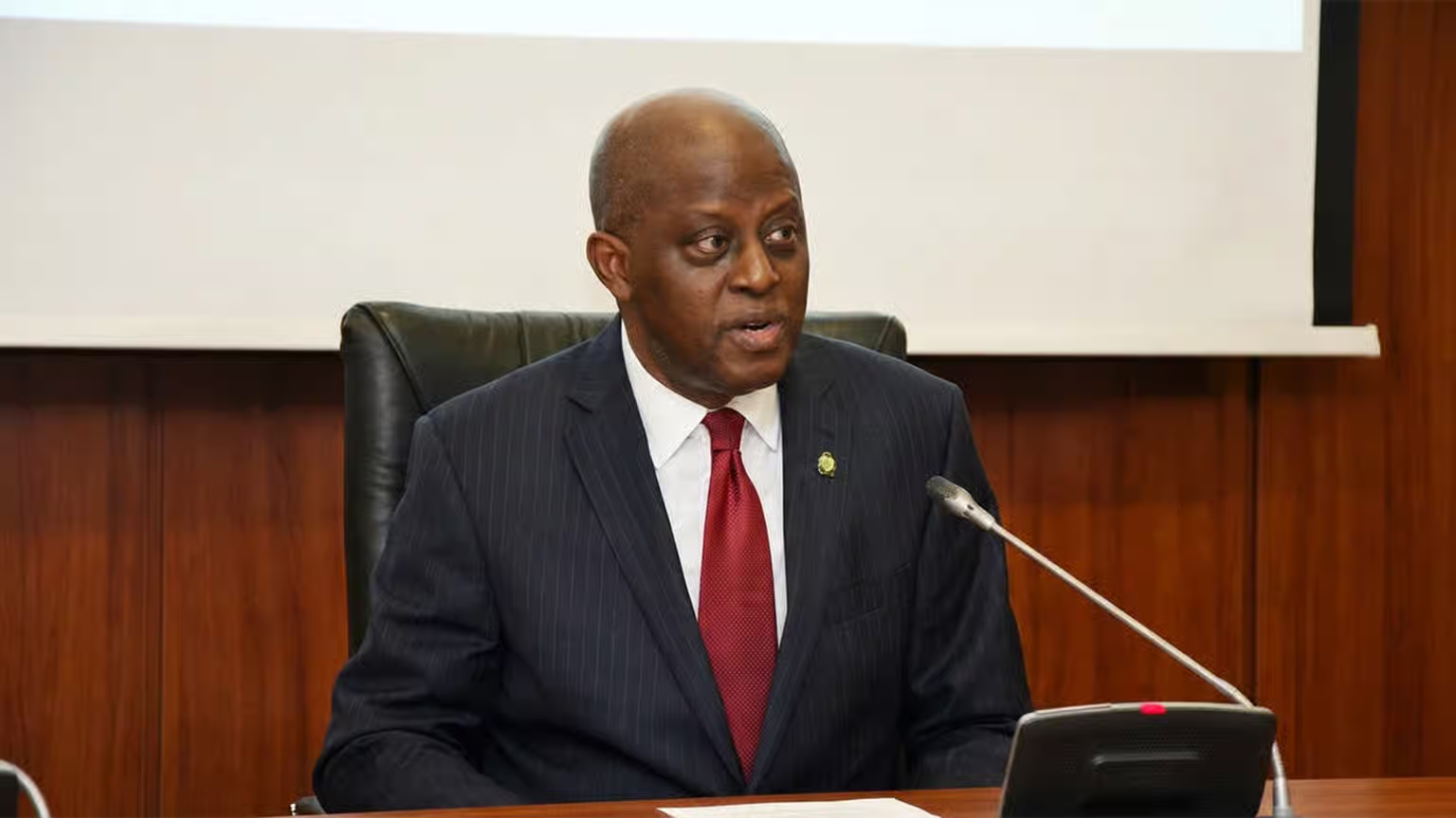
CBN Governor Olayemi Cardoso has been explicit about this, pledging in February to do “whatever it takes” to safeguard the naira. Healthy reserves give that pledge some credibility. They allow the CBN to intervene in the foreign exchange market when the naira comes under pressure, buying naira with dollars to prop up its value without quickly running out of ammunition.
For ordinary Nigerians, exchange rate stability translates directly into the cost of imported goods, from fuel and food to medicine and electronics. A stronger, more stable naira eases inflationary pressure on household budgets — no small matter in a country where inflation has remained painfully high.
What This Means for Investors and the Economy
Foreign investors pay close attention to reserve levels. A country with thin reserves is seen as vulnerable — prone to currency crises and unable to meet its external obligations. Nigeria’s previous reserve weakness made many foreign investors reluctant to bring in capital, worried they might struggle to repatriate their profits later. Rising reserves help to dissolve that hesitation.
If confidence builds, Nigeria could see increased foreign direct investment and stronger diaspora remittances — two of the drivers the CBN has identified as central to its long-term reserve strategy. The apex bank has projected that reserves will reach $51.04 billion by the end of 2026, supported by continued FX reforms. Achieving that target would further cement Nigeria’s improving external position.
There is also the question of debt servicing. Nigeria spends a significant share of its revenue on repaying external loans. Higher reserves provide a buffer, reducing the risk that dollar shortages will complicate the country’s ability to meet those obligations and avoid a credit downgrade.
Reason for Optimism, Not Complacency
The milestone deserves celebration, but it also demands context. Nigeria’s reserves remain well below the levels needed to fully absorb external shocks in an oil-dependent economy. The country’s reserve position is still heavily tied to crude oil earnings, meaning a sustained drop in oil prices could quickly reverse the gains made.
Cardoso has acknowledged this vulnerability.
Looking towards 2030, he has outlined ambitions to grow reserves through non-oil exports and diversified inflows — a recognition that oil alone cannot be the foundation of a resilient external position. Single-digit inflation and a stable, competitive naira are also part of that longer-term vision.
For now, Nigeria’s $48.5 billion in reserves represents the most tangible proof yet that the reform programme is yielding results. It is the kind of number that improves Nigeria’s standing in the eyes of ratings agencies, trading partners, and investors. Whether the momentum is sustained will depend on policy discipline, oil market conditions, and the country’s ability to accelerate the economic diversification it has long promised but struggled to deliver.
FURTHER READING
The record is encouraging. The work, however, is far from done.
Philip Ibitoye is a Special Correspondent with EKO HOT BLOG. Click here to find daily analysis and critical insight on trending issues in Lagos and other parts of Nigeria.
Click to watch the video of the week below: